Have you ever wondered if your air conditioner needs water to work? It’s a question many people ask, especially when trying to understand how their cooling system functions.
Knowing the answer can help you take better care of your AC and avoid unnecessary problems. You’ll discover the truth about water and air conditioners, how they actually operate, and what you should watch out for. Keep reading to clear up the confusion and make sure your home stays cool and comfortable all year round.
Credit: www.angi.com
How Air Conditioners Work
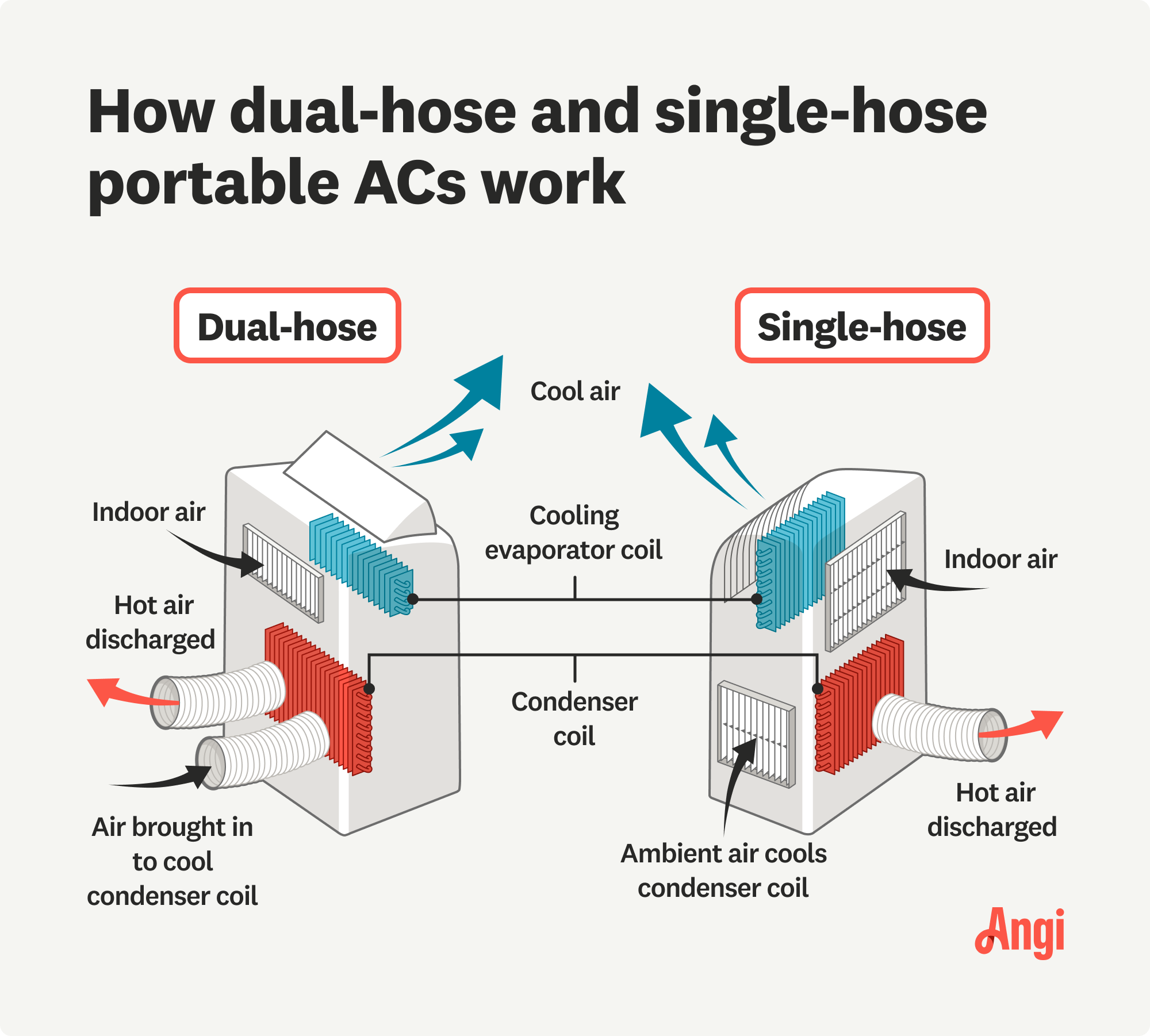
Air conditioners use a cooling cycleto lower room temperature. This cycle moves heat from inside to outside. It uses a special fluid called refrigerant. This fluid changes from liquid to gas and back again. This change absorbs heat from the air inside your home.
The refrigerantflows through pipes in the system. It picks up heat inside and releases it outside. The air conditioner’s fan helps move air over cold pipes. This cools the air, which then blows into the room.
No water is needed for this process. The system uses refrigerantsand air movement to cool the space.
Water And Air Conditioners
Many people think air conditioners need water to run. This is not true for most modern ACs. They use a refrigerant inside pipes to cool the air. Water is not required for this process.
Some older or special types of air conditioners do use water. For example, evaporative coolers use water to cool air. These are common in dry climates.
| Type of Air Conditioner | Uses Water? | How It Works |
|---|---|---|
| Standard Split or Window AC | No | Uses refrigerant to cool air |
| Evaporative Cooler (Swamp Cooler) | Yes | Uses water evaporation to cool air |
| Chiller Systems | Yes | Uses chilled water for large buildings |
When Water Is Actually Needed
Evaporative coolersneed water to work. They use water to cool air by evaporation. Air passes through wet pads, which makes it cooler. These coolers work best in dry places. They use less electricity but add moisture to the air.
Water-cooled AC unitsuse water to cool the system parts. Water moves heat away from the compressor and condenser. These units need a steady water supply. They are often used in big buildings or factories. Water helps keep the AC running smoothly and saves energy.
Credit: www.housedigest.com
Signs Your Ac Might Need Water
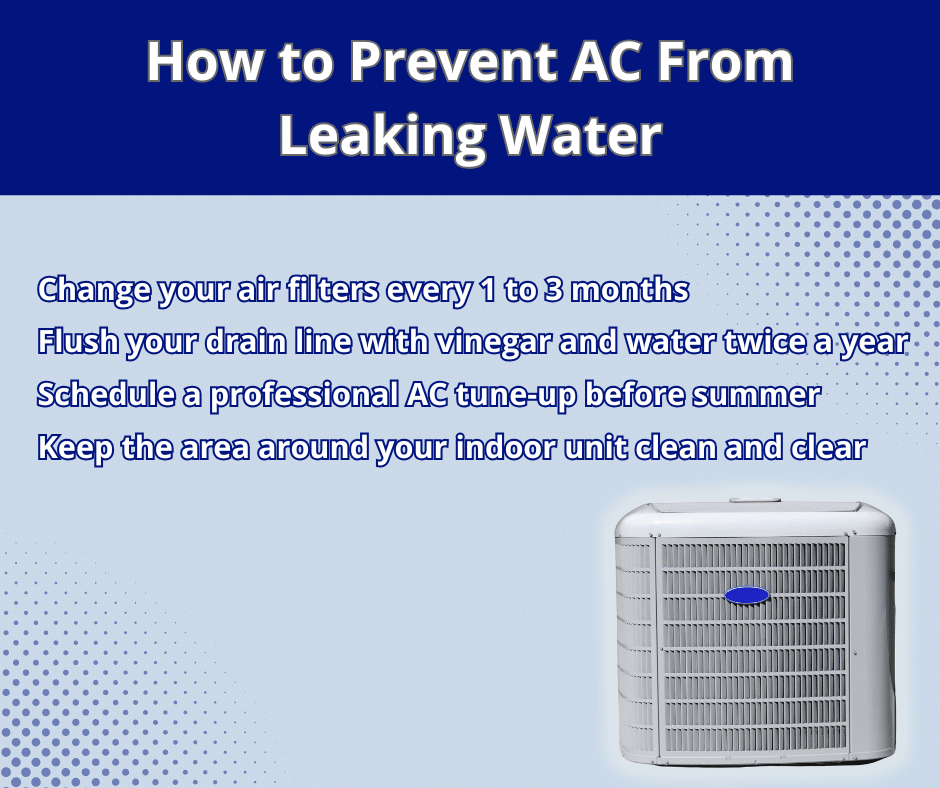
Condensation is a natural part of air conditioner operation. Water forms on the coils as warm air cools down. This water usually drains away easily. If water pools near the unit or leaks inside, it can mean a problem. Blocked drains or dirty filters often cause this. Excess water may damage walls or floors. Watch for damp spots or mold near the AC. Strange smells can also signal water issues.
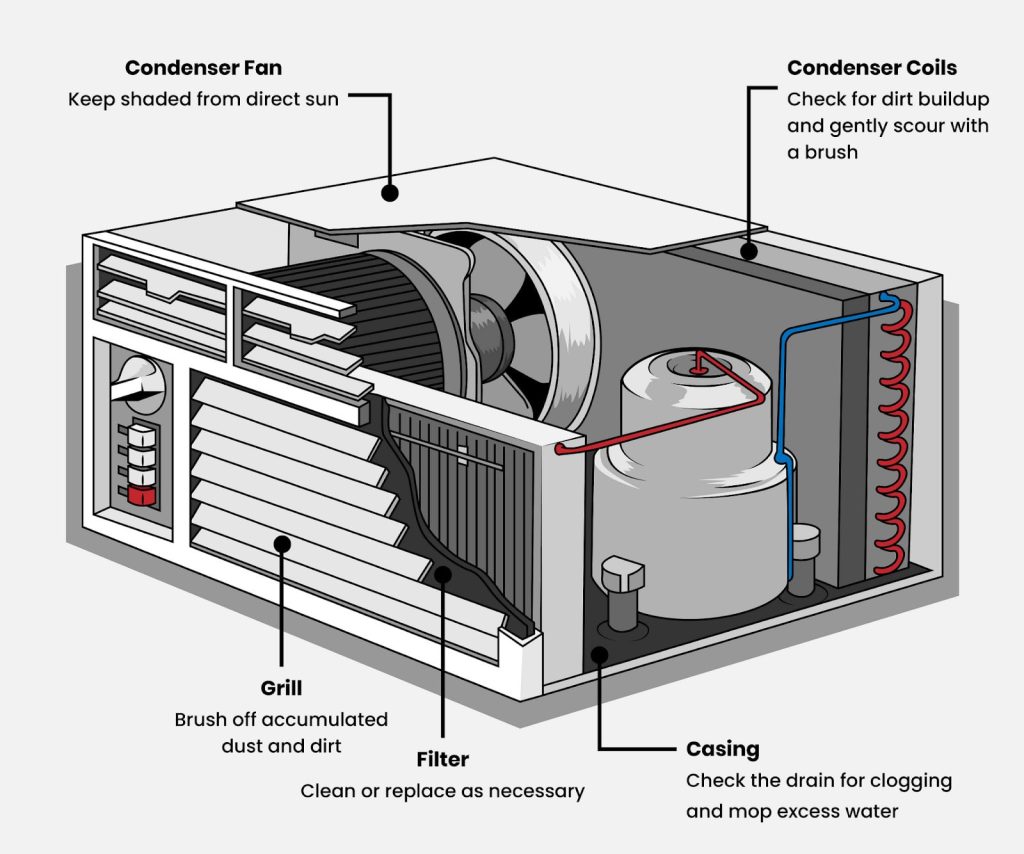
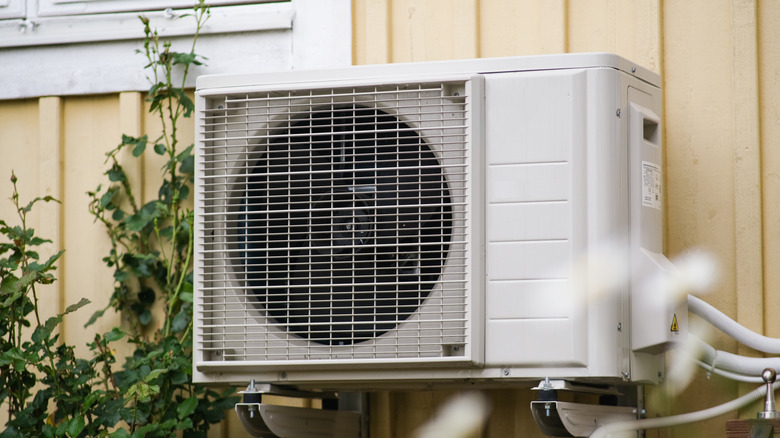
Regular upkeep helps prevent condensation problems. Check and clean the drain line every few months. Replace or wash filters monthly during heavy use. Keep outdoor units free from leaves and debris. Make sure the unit is level to help water flow correctly. Inspect the drip pan for cracks or rust. Clear any standing water promptly to avoid damage.
Energy Efficiency And Water Use
Some air conditioners use water to help cool the air. This can increase water consumption. Using water means energy is saved, but water use can be high in dry places. This can affect the environmentand water bills.
Alternatives to water-based cooling include:
- Air conditioners that use only air for cooling
- Systems with refrigerantsthat do not need water
- Evaporative coolers that use less water
- Solar-powered cooling systems
Choosing systems that use less water helps protect resources and saves money.
Credit: honorservices.com
Frequently Asked Questions
Do Air Conditioners Require Water To Operate?
Most traditional air conditioners do not require water to operate. They use refrigerants to cool the air. However, evaporative coolers, also known as swamp coolers, do use water. They cool the air by evaporating water, making them different from standard air conditioners.
Why Do Some Air Conditioners Need Water?
Some air conditioners, like evaporative coolers, need water for cooling. They use water to cool the air through evaporation. This method is energy-efficient and works well in dry climates. Unlike traditional ACs, they do not use refrigerants.
How Does Water Affect Air Conditioner Efficiency?
Water is crucial for evaporative coolers, impacting their efficiency. Regularly refilling water ensures optimal performance. For traditional ACs, water is irrelevant. They rely on refrigerants and air exchange. Keeping them clean and maintained ensures efficient operation.
Can I Use An Air Conditioner Without Water?
Yes, you can use traditional air conditioners without water. They don’t rely on water for cooling. Evaporative coolers, however, need water to function. Without water, they cannot cool the air effectively. Ensure your cooling system matches your climate needs.
Conclusion
Air conditioners do not need water to run. They use refrigerant gas to cool the air. Some types, like evaporative coolers, do use water. But most common AC units rely on electricity and refrigerant. Water may help clean or maintain some parts.
Knowing how your AC works helps you use it better. This saves energy and keeps your home cool. Choose the right system for your needs and climate. Keep your AC clean and well-maintained for best performance. Simple care makes a big difference.