Have you ever wondered where the cool air in your room actually comes from when your air conditioner is running? You might be asking yourself, “Does my AC pull air from outside, or is it just recycling the air inside?” Understanding this can help you make better decisions about your comfort and energy use.
Keep reading to uncover the surprising truth about how your air conditioner works—and what it means for your home’s air quality and efficiency. This knowledge could change the way you think about cooling your space forever.
How Air Conditioners Work
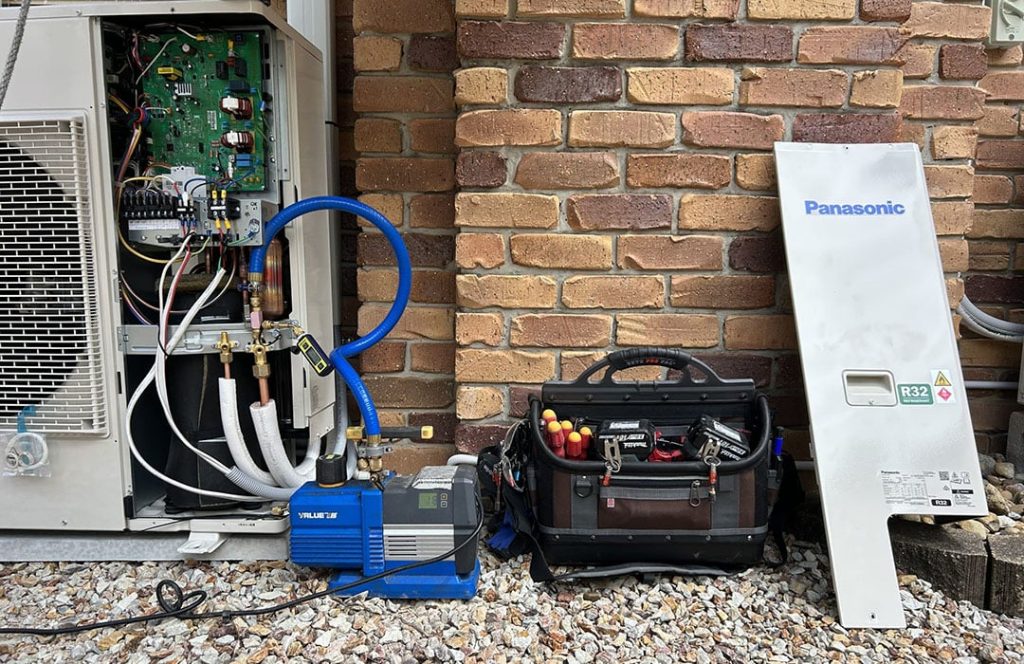
An air conditioner cools indoor air using a simple cycle. It does not pull air from outside directly. Instead, it moves warm air from inside to outside. The system has two main parts: the indoor unitand the outdoor unit.
The indoor unittakes warm air from the room and passes it over cold coils. These coils contain a special fluid called refrigerant. The refrigerant absorbs the heat, making the air cooler.
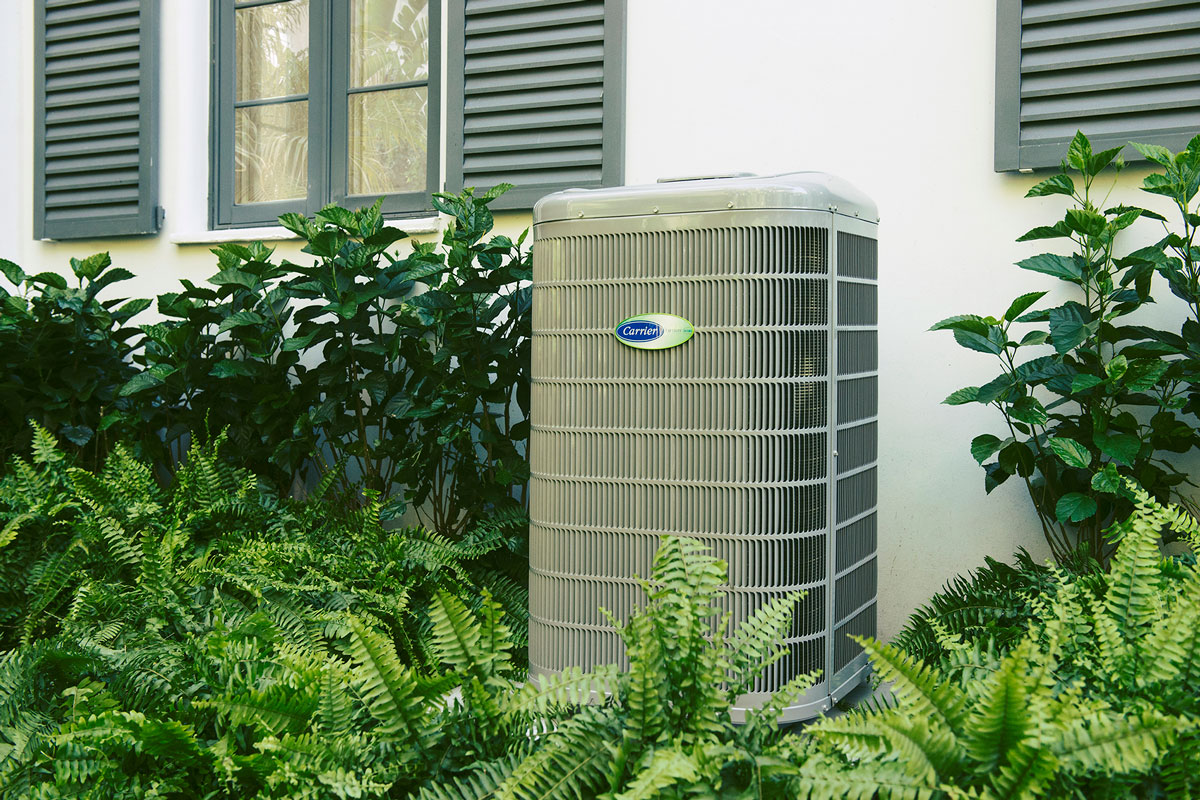
The outdoor unitreleases the heat absorbed from inside to the outside air. It has a compressor and fan to help with this process. This way, the air conditioner keeps the room cool by moving heat outside, not by bringing outside air in.
Air Source In Air Conditioners
Most air conditioners work by recirculating indoor air. They do not pull air directly from outside. The system takes warm air inside, cools it, and sends it back into the room. This helps to keep the indoor space comfortable.
Some air conditioners have an option to bring in fresh airfrom outside. This can help improve air quality but is less common. Most units focus on cooling the air already inside the house.
| Air Conditioner Type | Air Source | Notes |
|---|---|---|
| Standard Split or Window AC | Indoor air recirculation | Does not bring in outside air |
| Fresh Air Ventilation AC | Mix of indoor and outside air | Helps with air quality but less common |
Types Of Air Conditioners And Airflow
Window and Split AC unitsmostly recirculate indoor air. They cool the air inside the room without pulling air from outside. A window AC takes air from the room, cools it, and sends it back. Split AC systems work similarly but have separate indoor and outdoor units.
Central Air Conditioning Systemsuse ducts to move air. They usually pull indoor air, cool it, and send it back through vents. Some systems can bring in fresh air from outside, but this depends on the setup and controls.
Portable Air Conditionerspull warm air from the room and cool it. They use a hose to push hot air outside through a window. They do not bring fresh air from outside into the room.
Credit: www.pickheat.com
Impact Of Outside Air On Cooling Efficiency
Outside aircan affect an air conditioner’s cooling efficiency. Pulling in hot or humid air makes the system work harder. This leads to higher energy consumptionand increased electricity bills. Cooler and drier outside air helps the unit run smoothly and saves energy.
Air conditioners mostly recirculate indoor air. Some models bring in fresh air to improve indoor air quality. This reduces stuffiness and removes odors. But bringing in outside air can also let in dust, pollen, or pollutants. Filters help reduce these impurities but need regular cleaning or replacement.
| Energy Consumption Factors | Effect on Indoor Air Quality |
|---|---|
| Outside air temperature and humidity | Improves freshness inside |
| System’s ability to filter air | Can bring in dust and allergens |
| Frequency of fresh air intake | Reduces stale air and odors |
| Maintenance of filters and ducts | Prevents buildup of pollutants |
Myths About Air Conditioners And Outside Air
Many people think an air conditioner pulls air from outside. This is not always true. Most air conditioners work by recycling the air inside a room. They cool the air without bringing in fresh air from outside.
Some systems, like central air conditioners with ventilation, do bring in outside air. But typical window or split AC units do not. They focus on cooling indoor air only.
- Myth:AC units always pull outside air.
- Fact:Most ACs recirculate indoor air.
- True for:HVAC systems with ventilation options.
This helps save energy and cool rooms faster. Bringing outside air in can make the room warm or humid, which is not ideal for cooling. So, understanding your AC type is important to know how it handles air.
Credit: www.smarterair.com.au
Improving Indoor Air Quality With Ac
Air filtersin air conditioners trap dust, pollen, and small particles. They help keep indoor air cleaner and reduce allergens. Changing filters regularly keeps them effective.
Air purifierscan be added to improve air quality further. They remove tiny particles and some germs from the air. This makes breathing easier, especially for people with allergies or asthma.
| Ventilation Option | How It Works | Benefits |
|---|---|---|
| Natural Ventilation | Opening windows or doors to let fresh air in | Brings in fresh air and removes stale air |
| Mechanical Ventilation | Using fans or vents to move air in and out | Controls airflow even when windows are closed |
| Heat Recovery Ventilators (HRVs) | Exchanges indoor air with outdoor air while saving heat | Improves air quality and saves energy |
When Outside Air Intake Is Beneficial
Fresh air systemsbring outside air inside. This helps improve indoor air quality. They reduce stuffy air in homes and offices. These systems are good for places with poor ventilation. Fresh air helps remove bad smells and pollutants.
Heat recovery ventilators(HRVs) exchange indoor air with fresh outside air. They keep the heat inside during winter. This saves energy and keeps rooms warm. In summer, HRVs work to keep rooms cool. They help maintain a comfortable and healthy home.

Credit: coastalhomeservicesinc.com
Frequently Asked Questions
Do Air Conditioners Use Outside Air?
Most air conditioners recirculate indoor air to cool a space. They don’t typically pull in outside air. This process helps maintain a consistent indoor temperature and humidity level. However, some systems, like HVAC units with ventilation options, might introduce fresh air from outside.
How Does An Air Conditioner Cool A Room?
Air conditioners remove heat and humidity from indoor air. They circulate refrigerant through evaporator and condenser coils. This process absorbs heat from inside and releases it outside. Fans then blow the cooled air back into the room, maintaining a comfortable temperature.
Why Doesn’t My Ac Pull Outside Air?
Standard air conditioners focus on cooling and recirculating indoor air. This design improves energy efficiency by avoiding the need to cool warmer outdoor air. Specialized systems, like HVAC units with ventilation features, are needed to introduce outside air for fresh circulation.
Can Ac Units Improve Indoor Air Quality?
Air conditioners can improve air quality by filtering dust, pollen, and allergens. Regular maintenance, like cleaning filters and coils, enhances this function. However, they do not introduce fresh outdoor air unless equipped with specific ventilation features designed for that purpose.
Conclusion
Air conditioners usually recirculate indoor air, not pull air from outside. This helps cool your room faster and saves energy. Some models can bring in fresh air, but most do not. Proper ventilation is important for good air quality. Knowing how your AC works helps you use it better.
Keep filters clean and maintain your unit regularly. This keeps air fresh and system efficient. Cooling your home can be simple and effective with the right steps.