Are you tired of feeling sticky and uncomfortable inside your own home? You might be wondering if your air conditioner can do more than just cool the air.
Does your AC also help remove that heavy, damp feeling caused by humidity? Understanding how your air conditioner handles moisture can change the way you feel about your indoor comfort. Keep reading, because what you learn here could make your living space feel fresher and more enjoyable every day.

Credit: hvac-temecula-murrieta.com
How Air Conditioners Affect Humidity
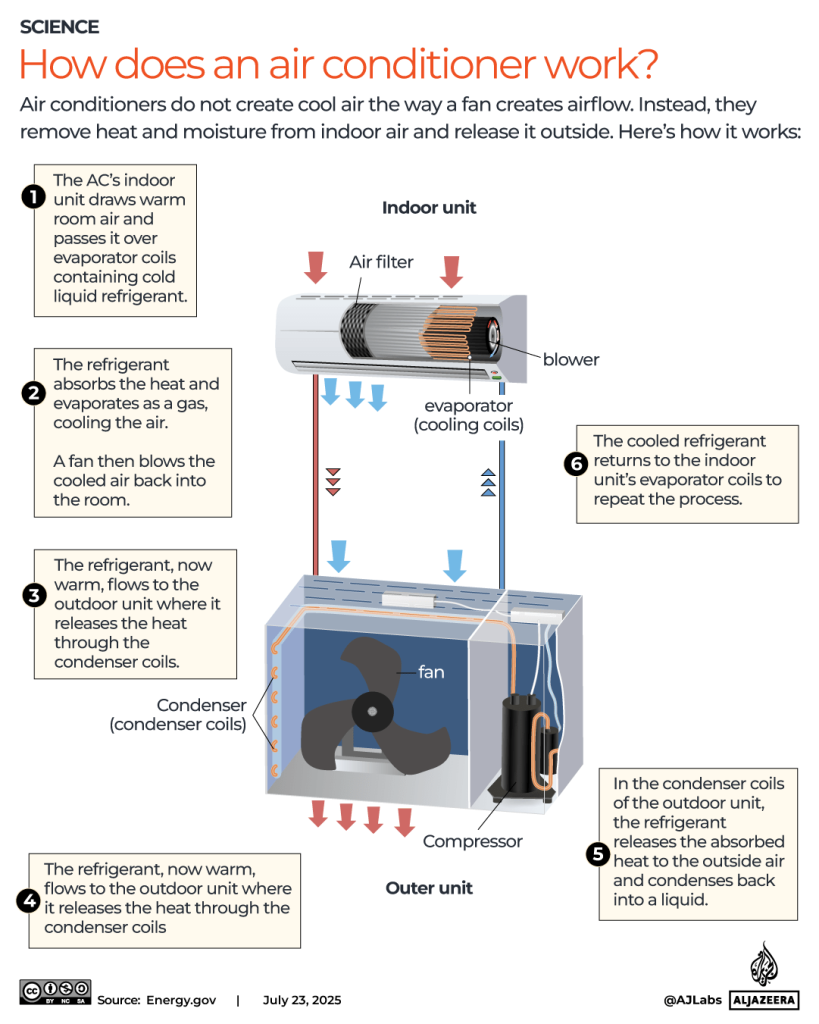
Air conditioners cool the air by removing heat inside a room. As the air cools, moisture in the air turns into water. This process is called condensation. The water collects on cold surfaces inside the AC unit and drains away, reducing the humidity level in the room.
This means air conditioners do remove some moisturefrom the air while cooling it. The cooler the air, the less humid it feels. This can make rooms more comfortable, especially in hot and sticky weather.
Still, air conditioners are not designed to be full dehumidifiers. They remove moisture only as a side effect of cooling. If the air is very humid, the AC might not remove enough moisture alone to make the air feel dry.
For strong humidity control, special dehumidifierswork better as they focus only on removing moisture.

Credit: www.georgiaairrepair.com
Different Types Of Air Conditioners
Window and split unitscool rooms by removing heat and some moisture. They pull warm air inside, cool it, and push cold air out. This process reduces humidity, but not as much as a dedicated dehumidifier.
Central air systemscool entire buildings. They use ducts to move air and remove heat. These systems also remove moisturefrom the air. This helps lower indoor humidity levels across many rooms at once.
Dehumidifier-integrated unitsare made to control humidity. They pull moisture from the air directly and collect water. These units work better at reducing humiditythan regular air conditioners. Ideal for very damp places.
When Air Conditioners Can Increase Humidity
Poor maintenancecan cause an air conditioner to add moisture. Dirty filters and clogged coils reduce its ability to remove humidity. Moisture stays inside the room instead of being drained away.
Improper sizing and installationalso affect humidity levels. A unit that is too big cools the air quickly but does not run long enough to remove moisture. A small unit runs constantly but cannot cool or dry well.
Ventilation challengesmake humidity worse. Without good air flow, moist air stays trapped inside. This stops the air conditioner from working properly and can cause dampness and mold growth.
Alternatives For Humidity Control
Standalone dehumidifiersremove moisture directly from the air. They work well in damp rooms or basements. These devices collect water in a tank that you empty. They are easy to move and control humidity in specific areas.
Ventilation improvementshelp reduce indoor humidity by bringing in fresh air. Using exhaust fans in kitchens and bathrooms removes moist air quickly. Opening windows can also help when outdoor air is dry.
Humidity sensors and smart controlsmonitor the moisture levels in your home. They turn on dehumidifiers or fans automatically to keep humidity balanced. Smart systems save energy and keep your home comfortable.
Tips To Optimize Humidity Reduction
Regular maintenancekeeps your air conditioner working well. Change or clean filters often to help remove humidity better. Clear the drain line to stop water buildup that can cause problems. Check the coils and fins for dirt and clean them to improve airflow.
Set the thermostat to a temperature that feels comfortable but not too cold. Too low a setting can waste energy and cause the unit to freeze up. A steady temperature helps the air conditioner remove moisture efficiently.
- Use fansto move air around the room. This helps the air conditioner work faster.
- Open doors or windows slightly if safe, to improve airflow and reduce humidity.
- Place fans near damp areas to dry them out quicker.

Credit: www.yahoo.com
Frequently Asked Questions
How Does An Air Conditioner Reduce Humidity?
An air conditioner reduces humidity by cooling the air, causing moisture to condense. As air passes over the evaporator coils, water vapor condenses into liquid and is collected and drained away. This process decreases the humidity level inside a room, making it feel more comfortable.
Does Ac Work As A Dehumidifier?
Yes, an air conditioner can act as a dehumidifier. It cools and dehumidifies the air by removing moisture. While its primary function is cooling, it effectively reduces indoor humidity. However, for high humidity areas, a dedicated dehumidifier might be more efficient.
Can High Humidity Affect Ac Efficiency?
High humidity can decrease an air conditioner’s efficiency. It forces the system to work harder to cool and dehumidify the air. This can lead to increased energy consumption and reduced cooling performance. Maintaining proper humidity levels can enhance AC efficiency and comfort.
Is Ac Necessary For Humid Climates?
In humid climates, an air conditioner is essential for comfort. It cools the air while removing excess moisture. This dual function helps maintain a comfortable indoor environment, preventing issues like mold growth and discomfort due to high humidity levels.
Conclusion
Air conditioners help reduce humidity by cooling the air and removing moisture. They are not designed to fully dry out a room. For very humid spaces, a dehumidifier works better. Still, running an air conditioner can make the room feel more comfortable.
Keep windows closed to stop extra humidity from coming in. Regular maintenance keeps your AC working well. Understanding how your AC handles moisture helps you stay cool and comfortable. Simple steps make a big difference in managing indoor humidity.