Have you ever wondered where the air your air conditioner cools actually comes from? Does your AC pull fresh air from outside, or does it work with the air already inside your room?
Understanding this can change how you feel about your air conditioner and even impact your comfort and energy bills. Keep reading to uncover the truth about how your air conditioner works and what it means for the air you breathe every day.

Credit: coastalhomeservicesinc.com
How Air Conditioners Work
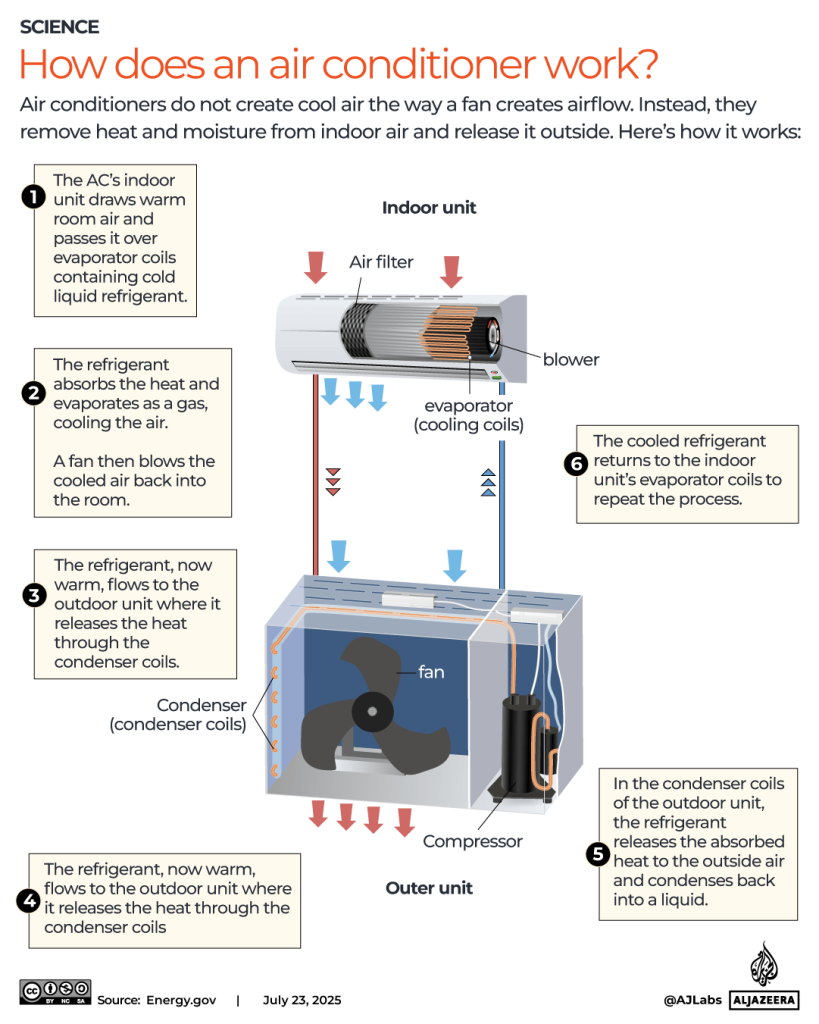
An air conditioner cools the air inside a room without using outside air directly. It pulls warm air from inside, then cools it using a special liquid called refrigerant. This liquid absorbs heat, making the air cooler.
The cooled air is then blown back into the room. This cycle keeps the room temperature comfortable.
Air circulation is very important. The air conditioner moves air around so every corner gets cool air. It does not usually bring fresh air from outside unless it has a special vent.

Credit: www.reddit.com
Types Of Air Conditioners
Window and split unitsusually take air from inside the room. They cool this air by removing heat and then recirculate it back. These units do not bring in outside air directly. Instead, they work by cooling the room’s existing air.
Central air systemsoften have an option to bring in fresh air from outside. This helps improve indoor air quality by mixing outside air with cooled air. They use ducts to move air throughout the building, making them good for larger spaces.
Portable air conditionersmostly take air from inside the room. They cool it and then push warm air outside through a hose. These units do not usually bring outside air inside.
Indoor Air Vs. Outdoor Air Intake
Most air conditioners use a recirculation mechanism. They pull air from inside the room, cool it, and then send it back. This helps in saving energy because the air inside is already cooled.
Some units have a fresh air intakefeature. This means they take a small amount of air from outside. It helps to bring in fresh air and reduce stuffiness indoors.
| Air Intake Type | Description |
|---|---|
| Recirculated Air | Air is taken from inside and cooled again. Saves energy. |
| Fresh Air Intake | Small amount of outside air mixed in. Improves air quality. |

Credit: www.evapolar.com
Factors Affecting Air Intake
Ventilation systems control how much outside airan air conditioner uses. Some units only recirculate indoor airto save energy. Others have vents to bring fresh air inside, improving air quality.
Air quality is important for healthy living spaces. Bringing air from outside can help reduce pollutantsand odors. But, if the outside air is dirty, it might cause problems inside.
- Ventilation type affects air intake: sealed or fresh air mixing.
- Outdoor air may carry dust, pollen, or pollution.
- Filters help clean air before it enters the room.
- Regular maintenance keeps systems running well.
Myths About Air Conditioners And Outdoor Air
Many believe air conditioners take air from outside. This is often not true. Most common units recycle indoor air. They cool the air inside and send it back.
Some systems, like central air conditioners, may bring in a small amount of outside air. But this is usually minimal. It helps maintain air qualityinside.
| Myth | Fact |
|---|---|
| Air conditioners pull all air from outside | Most recycle indoor air; only some units use outside air |
| More outside air means better cooling | Outside air can be hot or humid, making cooling harder |
| AC units need fresh air to work well | They work best by cooling and circulating indoor air |
Improving Air Quality In Air Conditioned Spaces
Air purifiers help remove dust, pollen, and germs from indoor air. They make the air cleaner and safer to breathe. Many models use filters that trap tiny particles. Some use UV light to kill bacteria and viruses.
Regular maintenance keeps air conditioners working well. Clean or replace filters every 1-3 months. Check the coils and vents for dust and dirt. A clean system cools better and uses less energy.
| Maintenance Task | Frequency | Benefit |
|---|---|---|
| Filter Cleaning/Replacement | Every 1-3 months | Improves air flow and quality |
| Coil Cleaning | Once a year | Boosts cooling efficiency |
| Vent Dusting | Monthly | Prevents dust buildup |
Frequently Asked Questions
Does An Air Conditioner Pull In Outdoor Air?
No, most air conditioners do not pull in outdoor air. They work by recycling indoor air. The system cools the air inside the room by removing heat and moisture. However, some units with ventilation options may allow a small amount of fresh air to enter.
How Does An Ac Cool Indoor Air?
An air conditioner cools indoor air by removing heat and moisture. It uses a refrigerant to absorb heat from the indoor environment. The system then expels the heat outside. This process continuously circulates and cools the indoor air without bringing in outdoor air.
Can Ac Units Ventilate Fresh Air?
Most standard AC units do not ventilate fresh air. They primarily recycle and cool existing indoor air. However, some advanced models have built-in ventilation features. These features allow limited fresh air intake, improving indoor air quality without compromising cooling efficiency.
Is Outside Air Needed For Cooling?
No, outside air is not needed for cooling with standard AC units. They function effectively by recycling and cooling the indoor air. The refrigeration cycle removes heat and moisture, maintaining a comfortable indoor environment without requiring outdoor air intake.
Conclusion
Air conditioners mainly recycle indoor air to cool your room. They do not usually bring air directly from outside. This helps keep your home comfortable and saves energy. Some systems have vents for fresh air, but most do not. Understanding this can help you use your air conditioner better.
Remember, proper maintenance keeps the air clean and cool. Now you know how your air conditioner works with indoor air.