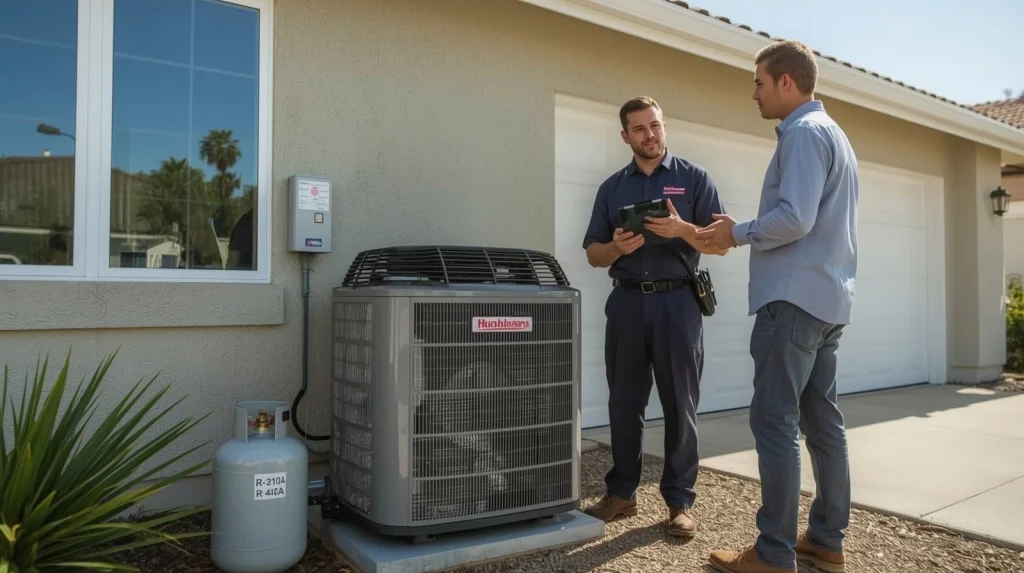
Are you wondering if your air conditioner uses gas in your house? It’s a common question that many homeowners ask but don’t always get a clear answer to.
Understanding how your AC works can save you money and help you maintain your system better. You’ll discover the truth about whether air conditioners rely on gas, how they actually cool your home, and what that means for your energy bills.
Keep reading—you might be surprised by what you learn!
How Air Conditioners Work
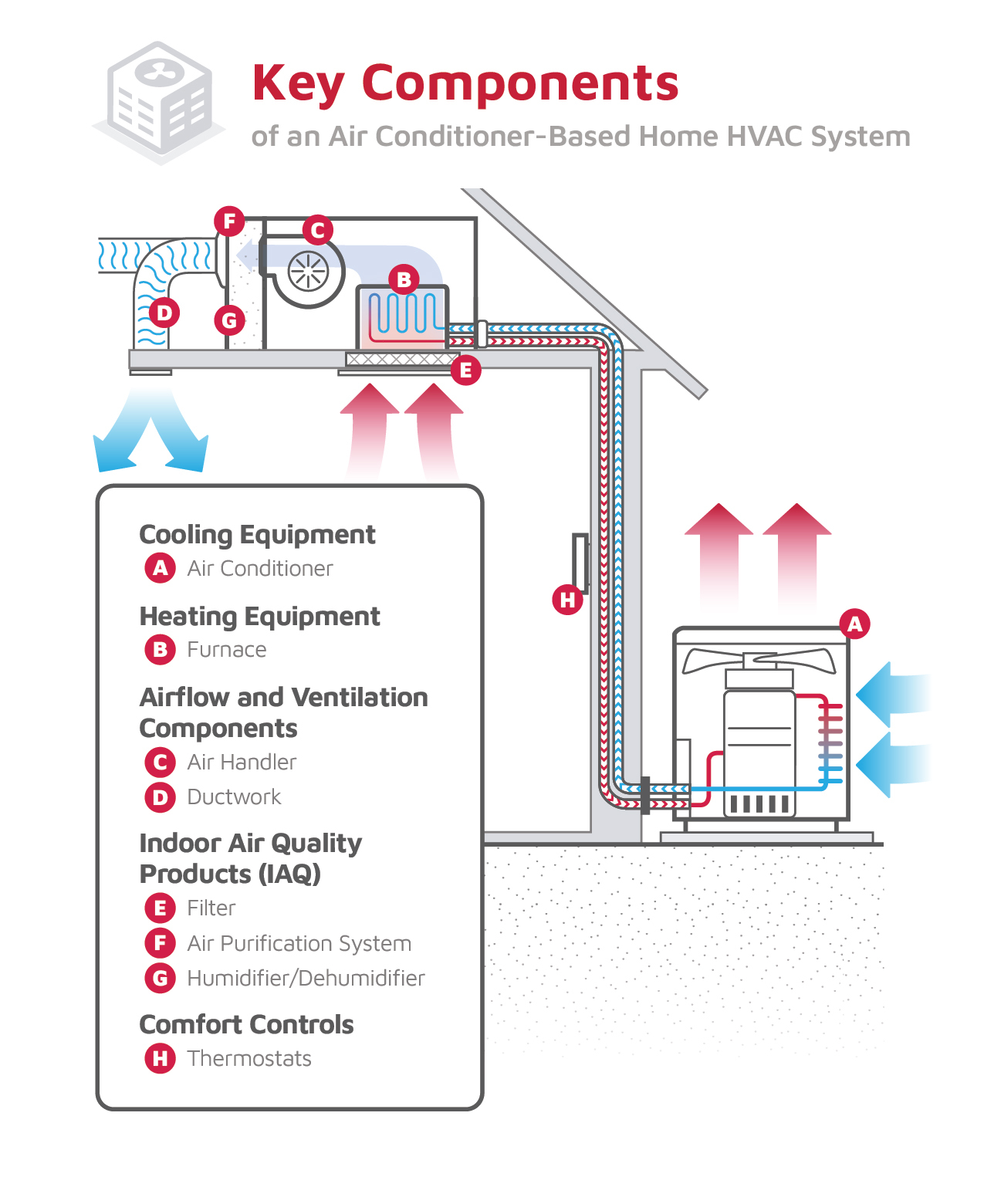
An air conditioner uses refrigerantsto cool the air inside a house. These liquids change from liquid to gas and back. They absorb heat from inside and release it outside. This process cools the air. The refrigerant moves through tubes in the air conditioner system. It does not use natural gas for this. The refrigerant is a special chemical designed to carry heat efficiently. It is sealed inside the unit, so it does not escape.
Most air conditioners run on electricity, not gas. They use electric power to run fans and compressors. Gas is usually used for heating, not cooling. Some heating systems use natural gas, but cooling systems do not. Using electricity for cooling is common in homes worldwide. This means the air conditioner does not burn gas inside the house. The cooling process depends on electric power and refrigerants, not gas.
Common Myths About Ac And Gas
Air conditioners do not use gas cylinders. They work using a refrigerant gas sealed inside the unit. This gas helps cool the air but is not connected to household gas cylinders.
Gas bills do not increasebecause of using an air conditioner. AC units mainly use electricity to run. Gas bills are only affected if you use gas appliances like stoves or heaters.
| Feature | Gas AC | Electric AC |
|---|---|---|
| Power Source | Uses natural gas or propane | Uses electricity |
| Common Usage | Less common in homes | Most common in households |
| Cost | Can be higher | Usually lower |
| Maintenance | Needs gas line checks | Requires electric component checks |
Most homes use electric air conditioners. Gas ACs are quite different and not the same as electric ones.
Types Of Air Conditioning Systems
Electric air conditionersrun on electricity only. They use a refrigerant to cool the air inside your home. These units are common and easy to find. They do not use gas for cooling but need power to work.
Gas-powered cooling systemsuse natural gas or propane. They work by burning gas to create cool air. These systems can save money if gas prices are low. They are less common in homes but still useful in some areas.
Hybrid systemscombine electric and gas power. They switch between electric and gas to save energy. This helps lower utility bills and reduce environmental impact. Hybrid systems give more flexibility in how your home is cooled.

Credit: coastalhomeservicesinc.com
Energy Efficiency And Costs
Electric air conditionersuse a lot of electricity to cool homes. They need power from your home’s electric system. This can lead to higher energy billsduring hot months.
Gas-powered systemsuse natural gas or propane. These can be cheaper to run in some areas. But the cost depends on local gas prices and system efficiency.
Here is a simple comparison:
| Type | Energy Source | Cost | Environmental Impact |
|---|---|---|---|
| Electric AC | Electricity | Higher bills in summer | Depends on electricity source |
| Gas-Powered AC | Natural Gas/Propane | Often lower but varies | Burns fossil fuels, emits CO2 |
Electric units can be cleaner if electricity is from renewables. Gas systems release more greenhouse gases. Choosing one affects both wallet and planet.
Safety Considerations
Gas leak risksarise mainly with gas-powered heaters, not air conditioners. Most modern air conditioners use electricityand a special coolant called refrigerant, not natural gas. Still, if your home has gas appliances, a leak can cause fire or explosion. Always ensure gas pipes and connections are tight and checked regularly.
Electrical hazardsfrom air conditioners include shockand fire risks. Faulty wiring or damaged cords can cause these problems. Use a licensed electricianfor installation and repairs. Avoid water near electrical parts to prevent accidents.
- Clean filters regularly to keep air flow clear.
- Check refrigerant levels to maintain cooling efficiency.
- Inspect electrical wires and plugs for damage.
- Schedule professional maintenance at least once a year.
- Turn off the unit during storms to protect from surges.
Credit: www.lennox.com
Choosing The Right Cooling Solution
The size of your home affects the choice of air conditioner. Larger homes may need systems with higher capacity. Climate matters too. Hot and humid places might require stronger cooling power.
Budget affects both buying and running costs. Gas-powered air conditioners can be cheaper to run but might cost more to install. Electric units usually have lower upfront costs.
Installation needs space and proper setup. Maintenance includes cleaning filters and checking gas levels in gas units. Regular care keeps the system working well and saves money.

Credit: www.aljazeera.com
Frequently Asked Questions
Does An Air Conditioner Use Gas To Cool?
No, air conditioners typically use electricity to operate. They do not use gas for cooling purposes. The system uses refrigerant to absorb and expel heat, providing cool air. Some systems may use natural gas for heating, but not for cooling.
What Type Of Gas Is In An Air Conditioner?
Air conditioners use refrigerant gas like R-22 or R-410A. These gases are critical for the cooling process. They absorb heat from indoor air and release it outside. Modern units often use R-410A, which is more environmentally friendly compared to older refrigerants.
Is Refrigerant Gas Harmful To Humans?
Refrigerant gas can be harmful if inhaled in large amounts. It can displace oxygen in the air, leading to dizziness or suffocation. Always handle refrigerants with care and ensure proper ventilation. Professional technicians should perform any maintenance or repairs involving refrigerants.
How Often Should Ac Refrigerant Be Refilled?
Ideally, refrigerant should never need refilling. If levels are low, it indicates a leak. Air conditioning systems are sealed, so refrigerant is not consumed. Contact a professional to diagnose and fix any leaks, ensuring your system runs efficiently.
Conclusion
Air conditioners do not use gas like stoves or heaters do. They work with refrigerants to cool your home. These refrigerants are different from natural gas or propane. Most modern units run on electricity, not gas. Knowing this helps you understand your energy bills better.
It also guides you when choosing the right cooling system. Remember, maintenance keeps your air conditioner working well. Regular checks prevent problems and save money. Stay cool and comfortable without worrying about gas use in your AC.