Have you ever wondered if your air conditioner uses outside air to cool your home? It’s a common question that many people ask but few really understand.
Knowing how your air conditioner works can help you use it better, save energy, and improve your comfort. You’ll discover the truth about whether your AC brings in fresh air from outside or just recycles the air inside. Keep reading to learn how this simple fact can impact your health, energy bills, and overall home environment.
How Air Conditioners Work
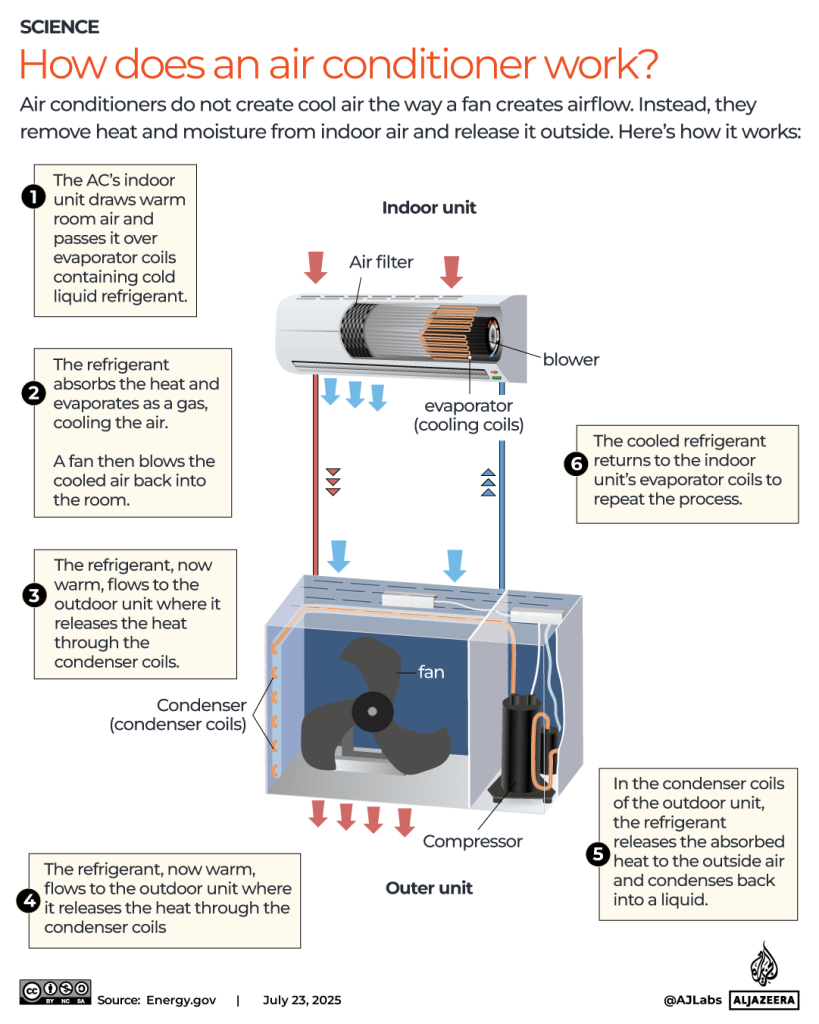
An air conditioner cools indoor air by removing heat from it. It uses a closed system to move heat outside your home.
This process keeps your room cool without using fresh outside air directly for cooling.
Cooling Cycle Basics
The cooling cycle moves heat from inside the room to the outside. It uses a special fluid called refrigerant to carry the heat.
- The refrigerant absorbs heat inside the house and turns into a gas.
- The gas moves to the outdoor unit where it releases heat.
- The refrigerant cools down and turns back into a liquid.
- The cycle repeats to keep the room cool.
Role Of Refrigerants
Refrigerants are liquids that change to gas and back easily. They absorb heat as they evaporate and release heat as they condense.
| State | Function |
| Liquid | Absorbs heat and evaporates inside the indoor coil. |
| Gas | Carries heat to the outdoor coil. |
| Liquid | Releases heat and condenses in the outdoor coil. |
Heat Exchange Process
Heat exchange happens between the indoor air and the refrigerant, and then between the refrigerant and the outdoor air.
The process works like this:
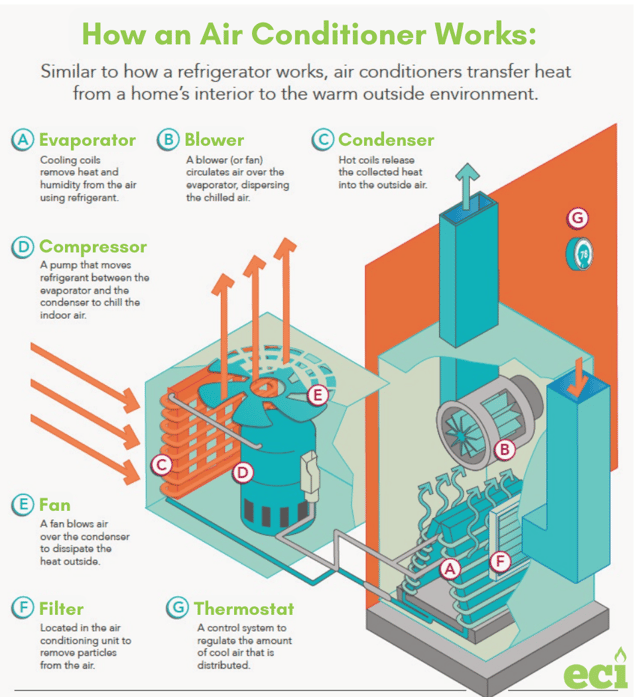
- Warm indoor air passes over cold evaporator coils.
- The refrigerant inside the coils absorbs heat from the air.
- Cooled air is blown back into the room.
- The refrigerant carries heat outside to the condenser coils.
- Outdoor air absorbs the heat from the refrigerant.

Credit: www.reddit.com
Air Source In Air Conditioners
Air conditioners cool indoor spaces by moving heat outside. The source of air they use varies by system type. This affects air quality and energy use.
Understanding where air comes from helps in choosing the right air conditioner for your needs. It also explains how fresh or recycled air enters your home.
Indoor Air Recirculation
Many air conditioners reuse indoor air. They pull air from the room, cool it, and blow it back inside. This method saves energy but does not bring fresh air.
Recirculating air can lower humidity and maintain temperature. But it may also trap odors and pollutants if the air is not filtered well.
Use Of Outside Air In Systems
Some systems mix outside air with indoor air for ventilation. Bringing in outside air improves freshness and reduces indoor pollution. It also helps control humidity.
- Outside air improves indoor air quality
- It helps remove stale air and odors
- Energy use may increase due to extra cooling or heating
- Proper filters are needed to remove pollutants from outside air
Differences Between Ac Types
| AC Type | Air Source | Advantages | Disadvantages |
|---|---|---|---|
| Window AC | Indoor air recirculation | Simple and affordable | No fresh air intake |
| Split AC | Indoor air recirculation | Quiet and efficient | Does not bring in outside air |
| Central AC | Mix of indoor and outside air | Better ventilation and air quality | Higher installation and energy costs |
| Ventilation AC | Primarily outside air | Fresh air supply | Needs more energy to condition outside air |
Types Of Air Conditioning Systems
Air conditioners cool indoor spaces by removing heat. Some use outside air, while others recycle indoor air.
Different systems work in different ways. Understanding them helps choose the right one for your needs.
Split Systems
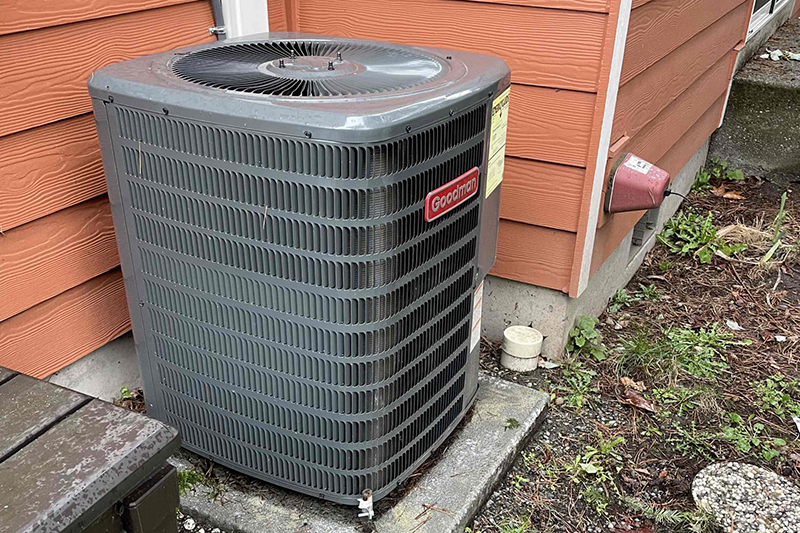
Split systems have two main parts: one inside and one outside the building. The outside unit cools the refrigerant.
They do not use outside air for cooling. Instead, they circulate indoor air through ducts or vents.
Window Units
Window units fit inside a window frame. They pull warm indoor air, cool it, and blow it back inside.
These units do not use outside air for cooling. They mostly recirculate the indoor air in the room.
Packaged Units
Packaged units combine all parts in one box outside the building. They connect to the indoor space with ducts.
These systems mainly recirculate indoor air. Some models can bring in fresh air, but it depends on the design.
- Most packaged units do not use outside air by default.
- Some include fresh air vents for ventilation.
- Check the system specs to know if it uses outside air.
Central Air Systems
Central air systems cool large buildings through a network of ducts. They pull indoor air, cool it, then send it back.
These systems usually recirculate indoor air. Some include ventilation to bring in outside air for fresh air supply.
Credit: lifetimeheating.com
Ventilation And Air Quality
Air conditioners often cool the air inside a building. But do they bring in outside air? This affects ventilation and air quality in your home.
Good ventilation helps remove stale air and adds fresh air. This keeps indoor air clean and healthy.
Incorporating Fresh Air
Most air conditioners recirculate indoor air. They do not usually bring in fresh air from outside.
Some systems add fresh air through special vents or fans. This helps keep air fresh and reduces stuffiness.
- Window units mainly recirculate indoor air
- Central AC can have fresh air vents
- Heat recovery ventilators add outside air efficiently
Impact On Indoor Air Quality
Without fresh air, indoor air can build up dust, odors, and pollutants. This lowers air quality.
Bringing in outside air helps remove contaminants. It also controls humidity and reduces mold risk.
- Improves oxygen levels indoors
- Reduces indoor pollutants and allergens
- Helps control moisture and prevent mold
Energy Efficiency Considerations
Adding fresh air can increase energy use. The system needs to cool or heat outside air.
Energy-efficient systems balance fresh air with saving energy. They use filters and heat recovery tools.
- Heat recovery ventilators save energy by warming fresh air
- Good filters keep outside air clean
- Proper sealing prevents energy loss
Myths About Air Conditioners And Outside Air
Many people wonder if air conditioners use air from outside their homes. There are many ideas about how air conditioners work. Some of these ideas are not correct. It is important to know the facts to understand how your air conditioner cools your home.
This article clears up common myths about air conditioners and outside air. It explains where the air really comes from and how it affects your home’s cooling.
Common Misconceptions
Some people think air conditioners bring in fresh air from outside to cool a room. Others believe air conditioners only cool the air outside before bringing it inside. These ideas are not true for most home air conditioners.
- Air conditioners do not usually take air from outside.
- They mostly recirculate the air already inside the room or building.
- Outside air can make the air conditioner work harder in hot or humid weather.
Clarifying Airflow Sources
Air conditioners mainly use indoor air. They pull warm air from inside the room and cool it. Then they send the cooled air back inside. This process keeps the room temperature down without using outside air.
| Air Source | Common Usage in AC |
| Indoor Air | Mostly used for cooling and recirculation |
| Outside Air | Rarely used, mainly in ventilation systems |
Effect On Cooling Performance
Bringing outside air into your home can change how well your air conditioner works. Outside air is usually warmer or more humid. This makes the air conditioner work harder to cool the room.
Here are some effects of outside air on cooling:
- Increased energy use.
- Longer running times for the air conditioner.
- Potential for higher cooling costs.
- Possible discomfort due to humidity.
When Outside Air Is Used
Air conditioners usually recycle indoor air to cool a room. Sometimes, they bring in fresh outside air to improve air quality. Using outside air depends on the system and the need for ventilation.
Bringing in outside air helps reduce indoor pollutants and controls humidity. It is common in systems designed for better ventilation or energy savings.
Dedicated Outdoor Air Systems
Dedicated Outdoor Air Systems (DOAS) supply only outside air to a building. These systems do not cool or heat the air. Instead, they focus on ventilation and improving indoor air quality.
DOAS work alongside regular air conditioners. They bring fresh air inside while controlling humidity and removing pollutants.
Energy Recovery Ventilators
Energy Recovery Ventilators (ERVs) use outside air but save energy by transferring heat and moisture. They exchange energy between outgoing and incoming air streams.
This process helps keep indoor temperatures stable. ERVs reduce the extra load on air conditioners, saving energy while providing fresh air.
- Bring fresh air inside
- Transfer heat and moisture
- Lower energy use
- Improve indoor air quality
Hybrid Air Conditioning Solutions
Hybrid systems combine outside air use with traditional air conditioning. They switch between recirculated air and fresh air based on conditions like temperature and air quality.
These systems optimize comfort and energy efficiency. They use outside air when it helps save energy or improve ventilation.
Maintaining Air Conditioner Efficiency
Air conditioners need care to work well and save energy. Keeping parts clean and sealed helps cool air better.
Regular checks stop small problems from becoming big. This keeps your system running smoothly all year.
Filter Maintenance
Clean filters help air flow freely and keep dust out. Dirty filters make the system work harder and use more energy.
- Check filters every month during heavy use.
- Wash or replace filters as the manufacturer suggests.
- Keep extra filters on hand for quick changes.
Sealing And Insulation
Sealing leaks stops cool air from escaping outside. Good insulation keeps your home temperature steady.
| Problem | Effect |
| Leaky windows or doors | Cool air loss |
| Poor wall insulation | Higher energy use |
| Unsealed ducts | Reduced cooling |
Regular System Checks
Checking your system often finds issues early. This keeps your air conditioner efficient and lasts longer.
Checklist for System Checks
- Inspect refrigerant levels.
- Listen for strange noises.
- Test thermostat accuracy.
- Clean condenser coils.
- Check electrical connections.
Credit: www.ecicomfort.com
Frequently Asked Questions
Does An Air Conditioner Use Outside Air To Cool Indoors?
No, standard air conditioners recirculate indoor air. They cool the air inside without drawing outside air. They remove heat and humidity from indoor air, making the room comfortable. Outside air is typically not used unless the system has a fresh air intake feature.
How Does An Air Conditioner Handle Outdoor Air?
Most air conditioners do not use outdoor air directly. They rely on refrigerant cycles to cool indoor air. Some HVAC systems mix a small amount of outside air for ventilation. However, typical window or split AC units focus solely on indoor air.
Can Outside Air Improve Air Conditioner Efficiency?
Introducing outside air can reduce air conditioner efficiency. Outside air may be warmer or more humid, increasing cooling load. Proper ventilation systems handle fresh air without affecting AC performance. For best efficiency, air conditioners should mainly recirculate cooled indoor air.
Why Don’t Air Conditioners Use Outside Air For Cooling?
Air conditioners cool air by removing heat inside the home. Using outside air, which can be hot or humid, reduces cooling effectiveness. Cooling outside air requires more energy. Therefore, most ACs recycle indoor air to maintain efficiency and comfort.
Conclusion
Air conditioners mostly recirculate indoor air to cool your space. They do not usually pull in outside air. This helps save energy and keeps your home comfortable. Some systems can bring fresh air inside but they are less common. Knowing how your air conditioner works helps you use it better.
Proper use keeps your air clean and your energy bills low. Simple care and regular checks improve your system’s performance. Stay cool and breathe easy by understanding your air conditioner’s role.