Have you ever wondered if your air conditioner uses water to keep your home cool? It’s a question many people ask but few truly understand.
Knowing how your AC works can help you take better care of it and even save on your energy bills. You’ll discover the surprising truth about water and air conditioners. Keep reading to find out how your cooling system really operates—and why this knowledge matters for your comfort and wallet.
How Air Conditioners Work
An air conditioner cools air by removing heat and moisture. It does not use water directly to cool the air.
The cooling processstarts when warm air inside a room passes over cold coils. These coils have a special fluid called refrigerant.
Refrigerants absorb heat from the air. This heat moves outside, and the cooled air returns indoors.
During this process, moisture in the air condenses on the cold coils and drips away as water. This water is removed through a drain, not used by the AC.
| Step | Role of Refrigerants |
|---|---|
| 1 | Absorb heat from indoor air |
| 2 | Change from liquid to gas to carry heat |
| 3 | Release heat outside when cooled back to liquid |

Credit: northnjhvac.com
Water Usage In Different Ac Types
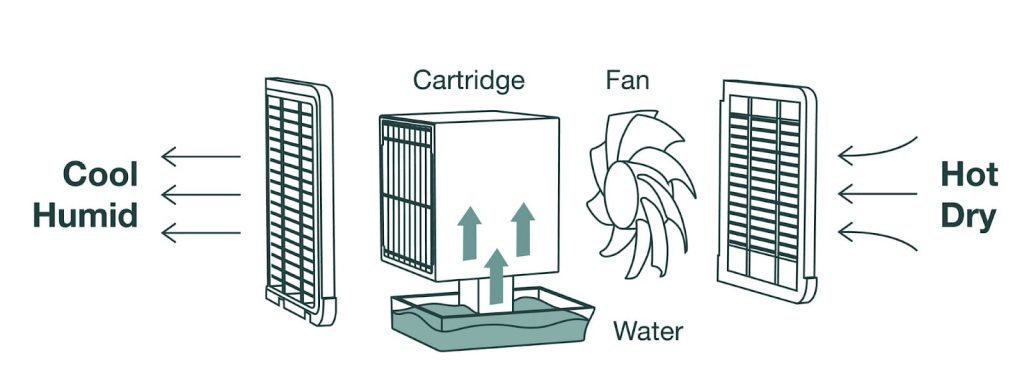
Evaporative coolersuse water to cool air. They work by passing air through wet pads. The water evaporates and cools the air. These coolers need a constant water supply to work well. They use much less electricity than other AC types.
Central and window unitsdo not use water directly. They work by removing heat from the air using a refrigerant. Water may be used in large central AC systems for cooling towers, but not inside the units themselves.
Portable air conditionersusually do not use water for cooling. They work like central units with refrigerant. Some models collect water from the air and need draining, but they do not use water to cool air.
Condensation And Water Collection
Air conditioners do not use water to cool the air. Instead, they remove moisturefrom the air inside your room. This moisture turns into water dropletson the cold parts of the AC. This process is called condensation.
Condensation forms because warm air meets the cold coils of the AC unit. The water in the air changes into liquid on these cold surfaces. This is similar to how water drops form on a cold glass.
The water collected by the AC must go somewhere. It flows into a drain panand then travels through a drain pipe. The water is usually sent outside or into a drain system.
- Cold air cools the warm air inside.
- Moisture in air turns into water droplets.
- Water collects in a drain pan.
- Drain pipe removes water from the AC.

Credit: www.news18.com
Water Efficiency And Environmental Impact
Air conditioners use a small amount of water mainly in evaporative coolers. Traditional air conditioners do not consume water but remove moisture from the air. Evaporative coolers use water to cool air by evaporation, which saves energy but uses water.
| Cooling Type | Water Use | Energy Use | Environmental Impact |
|---|---|---|---|
| Traditional AC | Minimal (removes moisture) | High | Higher carbon footprint |
| Evaporative Cooler | Uses water actively | Low | Less carbon footprint, water use |
- Use fans with AC to reduce energy use.
- Choose AC units with high energy ratings.
- Consider green options like solar-powered ACs.
- Install shade or curtains to lower cooling needs.
Maintaining Ac Units To Manage Water
Air conditioners do not use water to cool air but produce condensation as they run. Regular cleaning prevents water buildup and mold growth inside units. Proper maintenance helps manage moisture and keeps the system efficient.
Preventing Water Damage
Water damagecan happen if the air conditioner is not well maintained. The drain pancan fill up and overflow. This causes water to leak inside the home. To avoid this, check the drain pan often. Make sure it is clean and not cracked. The drain pipe must also be clear so water flows out easily.
Regular Cleaning And Maintenance
- Clean or replace the air filtersevery 1-3 months.
- Check the condensate drain linefor clogs.
- Keep the evaporator and condenser coilsclean to stop water buildup.
- Inspect the drain panfor rust or damage.
- Hire a professional to service the AC unit yearly.

Credit: www.pulse.ng
Frequently Asked Questions
Does An Air Conditioner Use Water To Cool Air?
Most air conditioners do not use water directly to cool air. They rely on refrigerants and coils to absorb heat. However, some evaporative coolers do use water to cool the air by evaporation, but traditional AC units typically do not.
How Does An Air Conditioner Manage Moisture?
Air conditioners remove moisture by condensing water vapor from warm air onto cold coils. This process reduces indoor humidity. The condensed water collects in a drain pan and is expelled outside or into a drain pipe.
Can Air Conditioners Run Without Water?
Yes, standard air conditioners operate without water. They use refrigerants and compressors to cool air efficiently. Only evaporative coolers or swamp coolers require water to function, as they cool air through evaporation.
Why Do Some Ac Units Drip Water?
AC units drip water because they remove humidity from the air. Condensation forms on cold coils and drips into a drain pan. This water is then drained outside or into plumbing to prevent indoor moisture buildup.
Conclusion
Air conditioners do use water, but not like a regular water cooler. They remove moisture from the air, which often collects as water inside the unit. This water usually drains away through a pipe or evaporates. Some special air conditioners use water to help cool the air more efficiently.
Knowing this helps you understand how your AC works and why it sometimes leaks water. Proper maintenance can stop water problems and keep your AC running well. So, yes, water plays a role in air conditioning, but it is part of the cooling process, not a water supply.