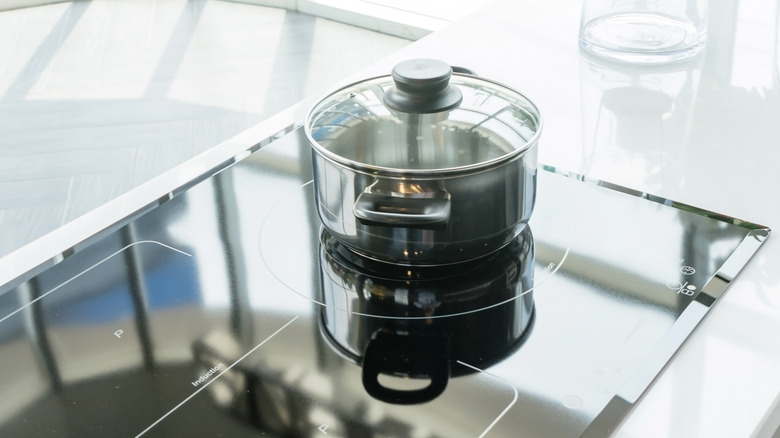
Imagine this: You’ve just purchased a sleek, modern induction cooktop, excited to whip up delicious meals with its efficient, fast-heating capabilities. But then, a question pops into your mind—can your trusty aluminum cookware work on this new kitchen marvel?
You’re not alone in this curiosity. Many people, eager to make the most of their induction cooktops, find themselves wondering the same thing. We’ll uncover the truth about using aluminum on induction cooktops, saving you time, money, and potential frustration.
Stick around to discover surprising insights that could transform your cooking experience.
How Induction Cooktops Work
Understanding how induction cooktops work can help you decide if your cookware, like aluminum pans, will perform well. Induction cooking uses a unique heating method that differs from traditional gas or electric stoves. Let’s break down the science behind it and see what role your pots and pans play in the process.
Principle Of Induction Heating
Induction cooktops heat cookware using magnetic fields, not direct heat. Inside the cooktop, a coil generates an alternating magnetic field when powered on. This magnetic field creates tiny electric currents—called eddy currents—in the metal of the cookware.
These eddy currents produce heat directly inside the pan, cooking your food quickly and efficiently. Because the heat is generated in the cookware itself, the cooktop surface stays relatively cool. Have you noticed how your induction cooktop feels cooler compared to traditional stoves? That’s why.
Role Of Magnetic Materials
Not all metals respond to the magnetic field in the same way. For induction heating to work, the cookware must be made of, or contain, magnetic materials like cast iron or certain types of stainless steel. These materials have the right properties to generate eddy currents effectively.
Aluminum, on the other hand, is not magnetic. This means it doesn’t naturally produce the heat needed on an induction cooktop. However, some aluminum pans come with a magnetic layer attached to their base, allowing them to work on induction stoves. Next time you shop for cookware, look for the induction-compatible symbol or test it with a magnet to be sure.
Aluminum And Induction Compatibility
Aluminum cookware is popular for its lightweight and excellent heat conduction. But if you have an induction cooktop, you might wonder if aluminum pans will work for your cooking needs. Understanding how aluminum interacts with induction technology helps you choose the right pots and pans.
Magnetic Properties Of Aluminum
Induction cooktops heat cookware using magnetic fields. This means the cookware must have magnetic properties to work effectively. Aluminum itself is not magnetic, so pure aluminum pans won’t heat up on an induction surface.
However, many aluminum pans come with a magnetic base or a layer of stainless steel attached to the bottom. This design allows the pan to create the magnetic field needed for induction cooking. If your aluminum pan has this feature, it will work just fine on an induction cooktop.
Common Myths About Aluminum Cookware
One common myth is that all aluminum cookware is incompatible with induction cooktops. This isn’t true if the cookware is specially designed with a magnetic base. Another misconception is that aluminum pans damage induction cooktops, but this is false since the cooktop only interacts with magnetic metals.
Have you ever tried placing an aluminum pan directly on induction and wondered why it didn’t heat? This simple test can help you quickly identify if your pan is suitable for induction. Just use a magnet—if it sticks to the bottom, your pan will work on induction.
Testing Aluminum On Induction
Testing aluminum cookware on an induction cooktop helps determine its compatibility. Induction technology heats pots and pans through magnetic fields. Aluminum alone is not magnetic, so it may not work properly on induction surfaces. Testing shows whether aluminum pans can generate heat efficiently.
Simple Magnet Test
Use a small magnet to check your aluminum cookware. Place the magnet on the pan’s bottom surface.
- If the magnet sticks firmly, the pan may work on induction.
- If the magnet does not stick, the pan is not compatible.
This test quickly identifies magnetic properties. Aluminum pans often have no magnetic base, so they fail this test. Some pans include a magnetic layer to pass the test.
Practical Cooking Trials
Try cooking with your aluminum pan on an induction cooktop. Place the pan on the burner and switch it on.
- Watch if the cooktop activates and heats the pan.
- Notice how quickly the pan heats up and cooks food.
- If the burner does not turn on or heats unevenly, the pan is incompatible.
Cooking tests show real-world performance. Some aluminum pans with added magnetic layers work well. Pure aluminum pans usually fail practical trials on induction cooktops.
Credit: www.kitchenaid.com
Workarounds For Using Aluminum
Aluminum alone does not work on induction cooktops because it lacks magnetic properties. Still, there are simple ways to use aluminum cookware safely with induction stoves. These workarounds help transfer heat evenly and make cooking easier.
Many manufacturers now offer aluminum cookware designed for induction use. These products usually have a magnetic base attached to the bottom. This base allows the cooktop to detect the pan and heat it properly.
Aluminum Cookware With Magnetic Base
Aluminum cookware with a magnetic base solves the induction problem directly. The base is often made from stainless steel or another magnetic metal. It sticks to the cooktop and heats up quickly.
- Cookware looks like regular aluminum pots and pans.
- The magnetic base is flat and covers the entire bottom.
- These pans heat evenly and maintain aluminum’s lightweight benefit.
- They work well for daily cooking on induction stoves.
Choose cookware labeled as “induction compatible” to ensure it has a magnetic base. This way, you get the best of both worlds: aluminum’s fast heating and induction’s efficiency.
Induction Interface Discs
Induction interface discs offer another solution for using aluminum pans. These discs act as a bridge between the cooktop and the non-magnetic cookware.
- Place the disc on the induction stove surface first.
- Put the aluminum pan on top of the disc.
- The disc heats up and transfers heat to the pan.
Interface discs allow you to use existing aluminum cookware without buying new pots. They are easy to clean and store after use. Keep in mind, discs may heat slower than direct induction pans.
Pros And Cons Of Aluminum On Induction
Aluminum is a popular cookware material for its light weight and heat conductivity. On induction cooktops, aluminum has both advantages and drawbacks. Understanding these can help choose the right pots and pans for your kitchen.
Benefits Of Aluminum Cookware
- Heats up quickly and evenly for fast cooking.
- Lightweight, making it easy to handle and move.
- Usually less expensive than stainless steel or copper cookware.
- Good heat conductor, which helps prevent hot spots.
- Often comes with a non-stick coating for easy cleaning.
Limitations On Induction Cooktops
- Pure aluminum is not magnetic, so it won’t work directly on induction.
- Needs a magnetic base or layer to function on induction surfaces.
- Cookware without a magnetic base will cause error messages or no heating.
- Some aluminum pans with magnetic bottoms can be heavier than usual.
- Non-coated aluminum can react with acidic foods, affecting taste and color.
Credit: www.kitchenaid.com
Alternative Cookware Options
Aluminum cookware often struggles with induction cooktops because it lacks the magnetic properties needed for heat transfer. If you’ve faced frustration with your aluminum pans, don’t worry—there are several alternative options that work seamlessly with induction. Choosing the right cookware can make a big difference in your cooking experience, saving you time and improving results.
Best Materials For Induction
Induction cooktops require cookware made of magnetic materials. Cast iron is a top choice; it heats evenly and retains heat well. Stainless steel with a magnetic base also works great, combining durability with style.
Enamel-coated cast iron offers the same benefits as plain cast iron but is easier to clean and doesn’t rust. Some cookware brands add a magnetic layer to aluminum pans, making them induction-compatible—keep an eye out for these if you prefer lighter pots.
- Cast Iron:Heavy, durable, and excellent heat retention.
- Magnetic Stainless Steel:Lightweight, stylish, and efficient.
- Enamel-Coated Cast Iron:Non-reactive and easy to maintain.
- Aluminum with Magnetic Base:Combines lightweight with induction compatibility.
Choosing The Right Cookware
Think about what you cook most often. If you love slow-cooked stews or searing meats, cast iron is a strong candidate. It delivers even heat and can handle high temperatures well.
For everyday cooking, stainless steel is versatile and easier to handle. Check the cookware’s base—if a magnet sticks firmly, it will work on your induction cooktop.
Also, consider your budget and maintenance. Cast iron requires seasoning and care, while stainless steel is more forgiving. Which features matter most to you—weight, durability, or ease of use? Your answer will guide you to the perfect set.
Maintenance Tips For Induction Cookware
Maintaining induction cookware is essential for lasting performance and safety. Proper care keeps your pots and pans working well and looking good. This section covers simple tips to clean and extend the life of aluminum cookware on induction cooktops.
Cleaning Aluminum Cookware
Use warm water and mild dish soap to clean aluminum cookware after each use. Avoid harsh chemicals that can damage the surface. A soft sponge works best to prevent scratches. For stubborn stains, soak the cookware in soapy water for a few minutes. Dry the cookware thoroughly to stop water spots and rust.
Extending Cookware Lifespan
Heat aluminum cookware slowly on the induction cooktop to avoid warping. Avoid using metal utensils that can scratch the surface; opt for wooden or silicone tools instead. Store cookware with care, stacking with soft cloths between pieces to prevent damage. Regularly check for signs of wear and replace any damaged cookware to maintain cooking efficiency.

Credit: www.foodandwine.com
Frequently Asked Questions
Does Aluminum Cookware Work On Induction Cooktops?
Aluminum alone does not work on induction cooktops because it’s not magnetic. Induction requires magnetic materials like cast iron or stainless steel. However, aluminum pans with a magnetic base or induction-compatible layer work efficiently on induction cooktops.
How To Make Aluminum Pots Compatible With Induction?
To use aluminum pots on induction, they must have a magnetic base. Some manufacturers add a stainless steel or iron layer at the bottom. This layer allows the pot to interact with the induction cooktop’s magnetic field, making it compatible.
Can You Use Aluminum Foil On Induction Cooktops?
No, aluminum foil is not suitable for induction cooktops. It lacks magnetic properties and will not heat up. Using foil can cause damage or uneven heating. Always use cookware designed for induction cooking to ensure safety and efficiency.
Why Does Aluminum Cookware Not Heat On Induction?
Aluminum is non-magnetic, so it doesn’t create the magnetic field induction needs. Without this field, heat generation fails. That’s why pure aluminum cookware won’t heat on induction cooktops unless it has a magnetic base layer.
Conclusion
Aluminum alone does not work well on induction cooktops. Induction needs magnetic materials to heat cookware. You can use aluminum if it has a magnetic base or layer. Many pots and pans have this design now. Always check if your cookware is labeled “induction compatible.
” This saves time and avoids frustration while cooking. Choosing the right cookware makes cooking easier and faster. Keep these points in mind to use your induction cooktop with confidence.