Have you ever wondered if your air conditioner does more than just cool your home? You might notice your room feels less sticky and damp when the AC is running.
But does an air conditioner actually remove moisture from the air? Understanding how your AC works can help you keep your space comfortable and healthy. Keep reading to find out how your air conditioner affects humidity and what that means for your home.
How Air Conditioners Manage Moisture
An air conditioner does more than just cool the air. It also removes moisturefrom inside your home. This happens because the air conditioner cools warm air, causing water vapor to turn into liquid. The liquid then collects and drains away, which helps reduce humidity.
The evaporator coilplays a key role. Warm, moist air passes over this cold coil, causing water to condense. This process helps dry the air as it cools. The drier air feels more comfortable and less sticky.
There are limitsto how much moisture an air conditioner can remove. It works best when the unit runs long enough. In very humid places, a separate dehumidifier might be needed for extra moisture control.
Difference Between Cooling And Dehumidifying
An air conditioner cools the air by removing heat from a room. Cooling lowers the temperaturebut also causes some moisture to condense on the coils. This moisture removal means the air is somewhat dehumidified.
Dehumidifying focuses on lowering humiditywithout much change in temperature. A dehumidifier pulls moisture out of the air to make it feel less damp.
Temperature control means making the air cooler or warmer. Humidity control means managing how much water vapor is in the air.
Sometimes, an air conditioner may not remove enough moisture. This happens when the unit is too largeor the room is very humid. In such cases, using a separate dehumidifier can help keep the air comfortable.
Types Of Air Conditioners And Their Dehumidifying Ability
Central air conditionerscool large spaces by removing heat and moisture. They pull warm air inside, cool it, and remove water vapor. This helps reduce humidityin the whole house. These systems work quietly and keep air comfortable.
Window and portable unitsalso cool and take moisture out of the air. They are good for small rooms. These units use a fan and cooling coil to remove moisture. They are easy to install and move.
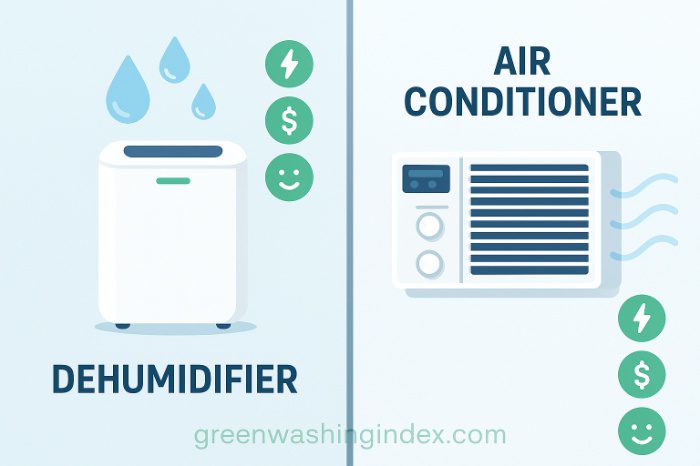
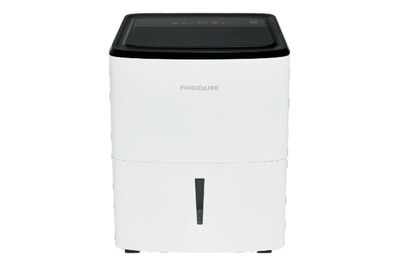
Dedicated dehumidifiersonly remove moisture. They do not cool the air much. These machines are best if the main goal is to control humidity. They work well in damp places like basements.
Factors Affecting Air Conditioner Dehumidification
Indoor humidity levelsgreatly affect how well an air conditioner removes moisture. Higher humidity means the AC must work harder to dry the air. Lower humidity may make dehumidification less noticeable.
Air conditioner settingsalso impact dehumidification. Setting the temperature too high or fan speed too fast can reduce moisture removal. A lower temperature with moderate fan speed helps pull more water from the air.
Room size and airflowinfluence how efficiently the air conditioner dehumidifies. Larger rooms or poor airflow can limit moisture removal. Proper circulation ensures moist air reaches the AC coils to be cooled and dried.
Signs Your Air Conditioner Isn’t Dehumidifying Properly
Persistent dampnessin your home signals poor dehumidifying by the air conditioner. Surfaces and fabrics stay wet or feel moist even after running the AC for hours. This creates an uncomfortable environment and can lead to mold growth.
Excessive condensationon windows or walls shows the AC is not removing enough moisture. Water droplets form and drip, which can damage paint and cause stains. This often happens when filters or coils are dirty or broken.
Unpleasant odorsinside the room may come from mold or bacteria growing due to high humidity. A musty smell often means the air conditioner is failing to keep moisture levels down. Cleaning or servicing the unit might fix this issue.
Credit: www.greenwashingindex.com
Improving Dehumidification With Your Air Conditioner
Setting the temperaturetoo low can cause the air conditioner to run less efficiently. Keep the thermostat at a moderate levelfor better dehumidification. Cooler air holds less moisture, so the AC removes more water from the air.
Using fanshelps move air around the room. This spreads the cool air and helps the AC remove moisture faster. Open windows or vents slightly to improve ventilationand let fresh air in.
| Maintenance Task | Reason |
|---|---|
| Clean or replace filters | Keeps air flowing and stops dust buildup |
| Check and clean coils | Improves cooling and moisture removal |
| Clear drain lines | Prevents water backup and damage |
| Schedule regular professional checks | Ensures all parts work well |
When To Use A Separate Dehumidifier
High humidity can make rooms feel sticky and uncomfortable. Air conditioners help cool the air but may not remove enough moisture in very humid places. A separate dehumidifier is useful in areas with excess moisture, such as basements or bathrooms.
Using a dehumidifier can save energy. Air conditioners work harder in humid air, raising energy use. Dehumidifiers use less power to remove moisture, making them more energy-efficientfor this task.
Some situations need special care. For example, homes with mold problems or health issues may benefit from a dehumidifier. It helps maintain the right moisture leveland improves air quality.

Credit: www.nytimes.com
Credit: www.nytimes.com
Frequently Asked Questions
Does An Air Conditioner Remove Humidity?
Yes, an air conditioner does remove humidity from the air. It cools the air by removing excess moisture. This dehumidification process makes your indoor environment more comfortable. By reducing humidity, an air conditioner helps prevent mold and mildew growth. This also improves air quality.
How Does Ac Dehumidify Air?
An air conditioner dehumidifies air by passing it over evaporator coils. These coils cool the air, causing moisture to condense. The condensed water is then drained away, leaving the air drier. This process not only cools but also reduces indoor humidity levels.
Is Dehumidification A Primary Function Of Ac?
Dehumidification is a secondary function of air conditioners. The primary purpose of an AC is to cool the air. However, in the process of cooling, AC units also dehumidify. This makes your indoor environment more comfortable and healthier.
Can Ac Replace A Dehumidifier?
An air conditioner can reduce humidity but isn’t a substitute for a dehumidifier. Dehumidifiers are designed specifically to remove moisture. They are more efficient at maintaining desired humidity levels. For high humidity areas, using both can be beneficial.
Conclusion
An air conditioner helps remove moisture from the air. This process makes the room feel cooler and less sticky. While it does reduce humidity, it may not replace a dehumidifier fully. For very damp spaces, a dedicated dehumidifier works better.
Still, an AC can improve comfort by lowering moisture somewhat. Keep your air conditioner clean for best results. Remember, controlling humidity helps protect your home and health. Simple steps can make your living space more pleasant and dry.