
Have you ever wondered if your air conditioner can actually filter out smoke from the air you breathe? Whether it’s from cooking, wildfires, or nearby smokers, smoke can quickly fill your home and affect your comfort and health.
You might be relying on your AC to clean the air, but does it really work that way? Understanding what your air conditioner can and cannot do about smoke is key to keeping your indoor air fresh and safe. Keep reading to find out the truth about air conditioner filters and smoke, and learn how to protect your home better.
How Air Conditioner Filters Work
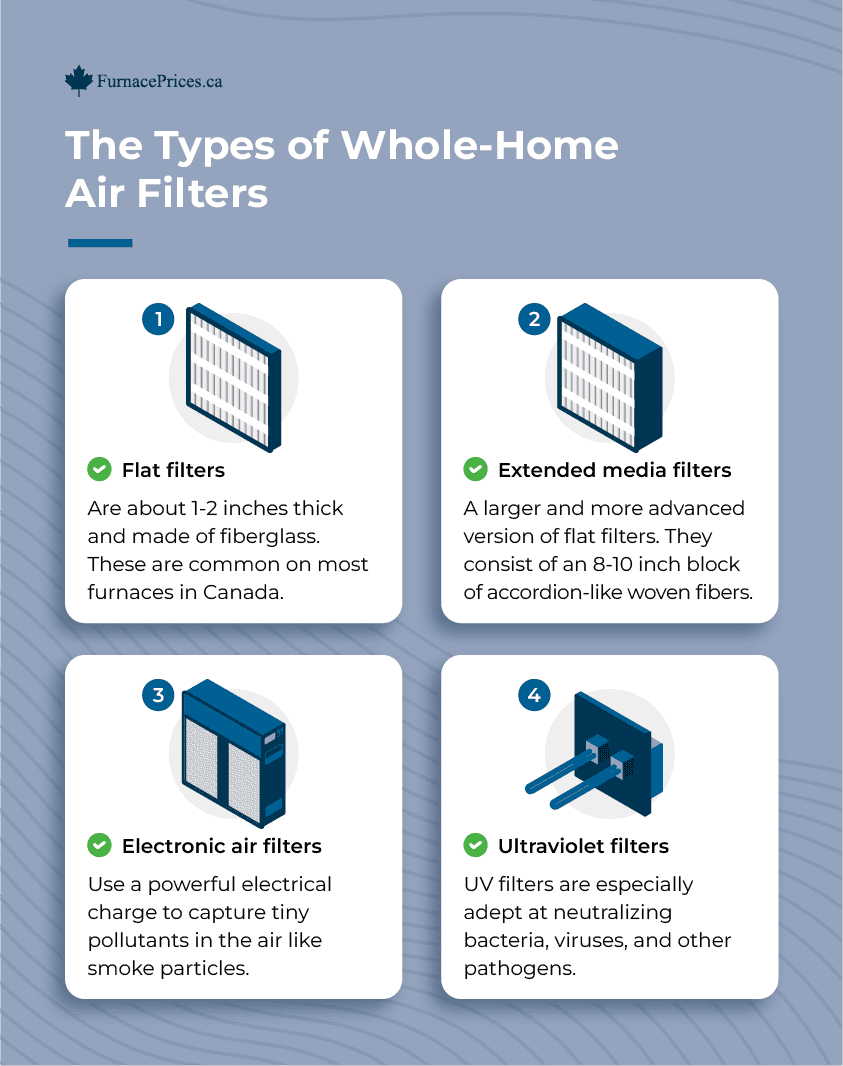
Air conditioner filters help clean the air by trapping dust, pollen, and small particles. Different types of filters work in different ways to remove impurities.
- Fiberglass filterscatch large particles but don’t trap small ones well.
- Pleated filtershave more surface area to trap smaller dust and allergens.
- HEPA filterscan trap very tiny particles, including some smoke particles.
- Activated carbon filtersabsorb odors and some gases from smoke.
Filters use various filtration mechanismslike mechanical trapping and chemical absorption. Mechanical filters block particles by size. Carbon filters absorb gases and odors.
| Filter Type | Particle Size Trapped | Special Use | Efficiency Rating |
|---|---|---|---|
| Fiberglass | Large particles | Basic dust | Low |
| Pleated | Small dust and allergens | Improved air quality | Medium |
| HEPA | Very small particles | Allergens, some smoke | High |
| Activated Carbon | Gases, odors | Smoke smells | Variable |

Credit: www.reddit.com
Can Air Conditioner Filters Capture Smoke?
Smoke particles are very tiny. Most air conditioner filters catch bigger dust and dirt. Smoke particles can be smaller than 1 micron. Many standard filters do not trap such small particles.
Filters have limits. They work best with larger particles like pollen and dust. Smoke particles are often too small for regular filters.
| Filter Type | Effectiveness on Smoke | Notes |
|---|---|---|
| Standard AC Filters | Low | Catch large dust, not smoke |
| HEPA Filters | High | Trap very small particles, including smoke |
| Activated Carbon Filters | Moderate | Absorb smoke odors and some particles |
HEPA filters trap tiny particles well. Activated carbon filters help reduce smoke smell. Combining both improves air quality after smoke exposure.
Impact Of Smoke On Air Conditioner Performance
Smoke particles can cause filter cloggingin air conditioners. This buildup blocks the airflow, making the system work harder. Over time, airflow reductionlowers cooling efficiency and raises energy use.
Filters clogged with smoke need more frequent cleaning or replacement. This leads to maintenance challengesand higher costs. Poorly maintained filters can also let smoke particles pass inside, reducing air quality.
| Risk | Effect | Result |
|---|---|---|
| Filter Clogging | Blocks airflow | System works harder |
| Airflow Reduction | Less cooling power | Higher energy use |
| Maintenance Challenges | More cleaning needed | Increased costs |
Credit: www.furnaceprices.ca
Improving Indoor Air Quality Beyond Filters
Air conditioners mainly cool air but do not fully filter smoke. Smoke particles are often too small for standard AC filters. To improve indoor air quality, use air purifiers designed to capture smoke and odors.
Good ventilation helps move smoke outside. Opening windows or using exhaust fans removes smoky air from rooms. Fresh air reduces smoke buildup inside.
- Close doorsto stop smoke from spreading.
- Avoid smoking indoorsto control the source.
- Use kitchen hoodswhen cooking to clear smoke.
Tips For Maintaining Air Conditioner Filters
Changing the air conditioner filter on a regular schedulekeeps the air clean. Dirty filters block airflow and reduce cooling. Most filters need replacement every 1 to 3 months. Check your AC manual for exact timing.
Cleaning filters can help if they are reusable. Use a soft brush or vacuum to remove dust and debris gently. Avoid using water unless the filter is washable. Let it dry completely before putting it back.
Look for signs of filter wear like tears, holes, or thick dust buildup. A worn filter can let smoke and particles pass through easily. Replace the filter immediately if it looks damaged or clogged.

Credit: www.dailykos.com
Frequently Asked Questions
Can Air Conditioners Filter Smoke Effectively?
Air conditioners can help reduce smoke particles, but they aren’t 100% effective. Most standard filters capture larger particles, but smoke particles are much smaller. To improve filtration, consider using a HEPA filter or a purifier designed for smoke.
Does Smoke Affect Air Conditioner Performance?
Yes, smoke can clog air conditioner filters, reducing airflow and efficiency. Regular filter maintenance is crucial during smoke-heavy periods. Clean or replace filters more frequently to ensure optimal performance and indoor air quality.
What Filter Is Best For Smoke Removal?
HEPA filters are highly effective for smoke removal. They capture tiny smoke particles and improve air quality significantly. Ensure your air conditioner is compatible with HEPA filters before installation for optimal results.
How Often Should Filters Be Changed During Smoke?
During heavy smoke periods, change air conditioner filters every 2-4 weeks. Frequent changes maintain airflow and air quality. Regular maintenance ensures your system operates efficiently and keeps indoor air cleaner.
Conclusion
Air conditioner filters can reduce some smoke particles but not all. They help improve air quality but do not fully clean smoky air. Regular filter changes keep your AC working well. For heavy smoke, consider extra air purifiers or ventilation.
Clean air feels better and helps protect your health. Remember, no filter removes every harmful particle. Stay aware and take steps to keep your home air fresh and safe.