
Have you ever wondered if your air conditioner could be releasing something harmful into your home? Carbon monoxide is a dangerous gas that you can’t see, smell, or taste, but it can cause serious health issues.
You might be asking yourself, “Does an air conditioner give off carbon monoxide? ” Knowing the answer can keep you and your loved ones safe. You’ll discover the truth about air conditioners and carbon monoxide, so you can breathe easy and stay informed.
Keep reading to find out what you need to know to protect your home.
Credit: www.carrier.com
How Air Conditioners Work
An air conditioner cools air by moving heat outside. It uses a special liquid called refrigerant. This liquid absorbs heat from indoor air.
The refrigerant changes from liquid to gas and back. This cycle helps remove heat and cool the room. Fans blow warm air over cold coils. The air cools down before entering the room.
- Compressor:Pressurizes the refrigerant gas to keep it moving.
- Condenser:Releases heat from the refrigerant to outside air.
- Evaporator:Absorbs heat from indoor air.
- Expansion Valve:Controls refrigerant flow and pressure.
- Fans:Move air over coils to transfer heat.
Sources Of Carbon Monoxide
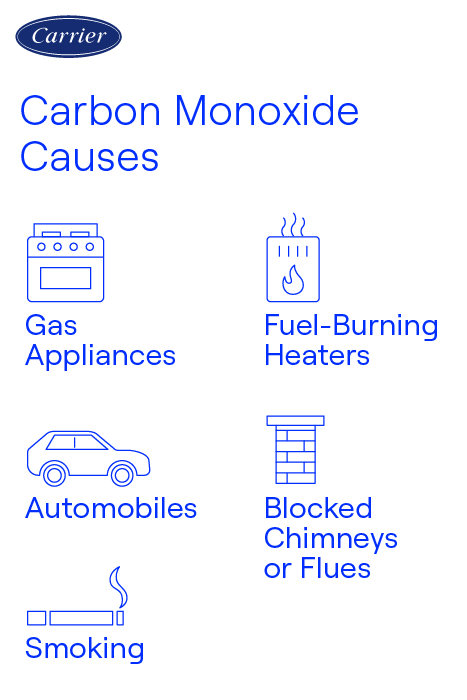
Carbon monoxide (CO) is a colorlessand odorless gas. It comes from burning fuelslike gas, wood, and coal. Many household items use fuel and can emit CO. These are important to watch out for.
- Gas stoves and ovens
- Fireplaces and wood stoves
- Gas water heaters
- Fuel-powered generators
- Space heaters using kerosene or gas
- Clothes dryers that run on gas
These appliances must be ventilated properly. Poor ventilation causes CO to build up indoors. Carbon monoxide can cause serious health problems. Installing CO detectors can help keep homes safe.
Air Conditioners And Carbon Monoxide
Air conditioners come in two main types: electricand gas-powered. Electric units run on electricity and do not produce carbon monoxide. Gas-powered units burn fuel and can emit carbon monoxideif not maintained well.
Carbon monoxide (CO) is a dangerous gas. It is colorlessand odorless. Gas-powered air conditioners can leak CO if the ventilation is pooror the unit is damaged. This can cause health problems like headaches, dizziness, or worse.
| Type | Power Source | CO Emission Risk | Safety Tip |
|---|---|---|---|
| Electric | Electricity | No CO emission | Regular electrical checks |
| Gas-Powered | Gas / Fuel | Possible CO emission | Proper ventilation and maintenance |
Credit: www.diychatroom.com
Risks Of Carbon Monoxide Exposure
Carbon monoxide (CO) is a dangerous gas. It is colorlessand odorless, so you cannot see or smell it. Breathing in CO can cause serious health problems.
Common symptoms of CO poisoninginclude:
- Headache
- Dizziness
- Nausea
- Shortness of breath
- Confusion
- Weakness
High levels of CO can lead to loss of consciousnessor even death. It stops your blood from carrying oxygen properly. This can harm your brain and heart.
Preventing Carbon Monoxide Hazards
Proper maintenance is key to keeping your air conditioner safe. Clean filters and vents often. Check for leaks or damage regularly. A well-maintained system runs efficiently and reduces risks.
Installation must be done by a professional. Place the unit in a well-ventilated area. Avoid blocking airflow around the system. Follow all safety rules to prevent hazards.
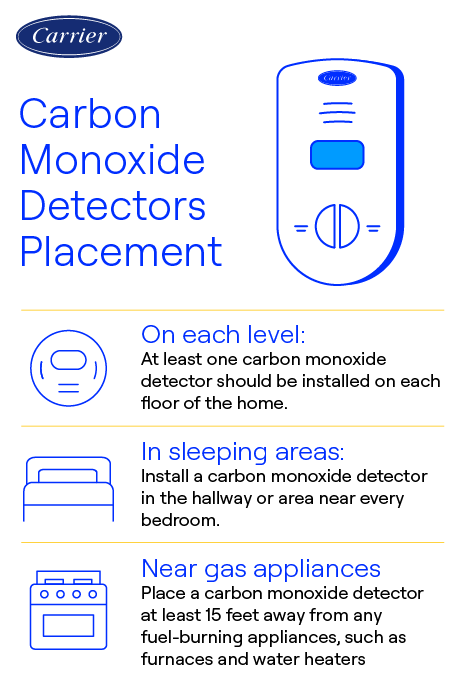
Carbon monoxide (CO) detectors save lives. Install them near sleeping areas and the AC unit. Test detectors monthly and change batteries yearly. These devices alert you if CO levels rise.
Signs Of Carbon Monoxide Issues
Unusual odorsnear your air conditioner might signal a problem. A musty or chemical smellcan mean carbon monoxide is present. This gas is colorless and odorless, but other smells may warn you.
Equipment malfunctionslike frequent shut-offs or strange noises can also indicate issues. Carbon monoxide leaks often come from faulty burners or blocked vents. Pay attention if your air conditioner is not working well or feels different than usual.
When To Call A Professional
Carbon monoxideis a dangerous gas. Air conditioners that use fuel can produce it. Most modern AC units do not emit carbon monoxide.
Calling a professional for inspection servicesensures your unit is safe. They check for leaks and gas buildup. Safety checks help prevent health risks.
Repair and safety checksfix any faults. Professionals check ventilation and filters. They make sure the unit works well and safely.
- Detect carbon monoxide leaks
- Inspect fuel-burning parts
- Test ventilation systems
- Clean or replace filters
- Repair any broken components
Regular inspections keep your air conditioner safe. Never ignore strange smells or symptoms of poisoning.
Credit: www.carrier.com
Frequently Asked Questions
Can Air Conditioners Produce Carbon Monoxide?
No, air conditioners do not produce carbon monoxide. They operate using electricity, not combustion. Carbon monoxide is typically associated with gas-powered appliances like heaters. However, if your air conditioner has a heating component that runs on gas, ensure it’s ventilated properly to avoid any risks.
Are Air Conditioners Safe From Carbon Monoxide?
Yes, air conditioners are safe from carbon monoxide. They don’t burn fuel, so they don’t emit this gas. However, ensure that any associated heating systems are properly maintained and ventilated to prevent carbon monoxide buildup from other sources in your home.
What Causes Carbon Monoxide In Homes?
Carbon monoxide in homes is usually caused by fuel-burning appliances. Common sources include gas stoves, heaters, and fireplaces. Poor ventilation can also lead to dangerous levels of carbon monoxide. It’s crucial to have these appliances regularly checked and ensure proper ventilation.
Can A Faulty Air Conditioner Lead To Carbon Monoxide Exposure?
No, a faulty air conditioner won’t lead to carbon monoxide exposure. Air conditioners operate on electricity, not combustion. However, if your AC unit is part of a system that includes gas heating, ensure it’s regularly inspected to prevent any potential issues with the heating system.
Conclusion
Air conditioners do not produce carbon monoxide. They cool air using electricity, not burning fuel. Carbon monoxide comes from gas or oil heaters, not electric devices. Still, regular maintenance keeps your AC running safely. Check vents and filters often. Stay aware of other home appliances that might cause gas leaks.
Safety matters most for you and your family. Keep your home fresh and healthy this summer.