
Are you wondering if your air conditioner must be placed in a window? You’re not alone.
Many people think that window placement is the only option, but that’s not always true. Where you put your air conditioner can affect how well it cools your space and how much energy you use. Keep reading to discover the best options for your home and find out how to stay cool without the hassle of a window unit.
You might be surprised by the choices you have!
Credit: www.angi.com
Types Of Air Conditioners
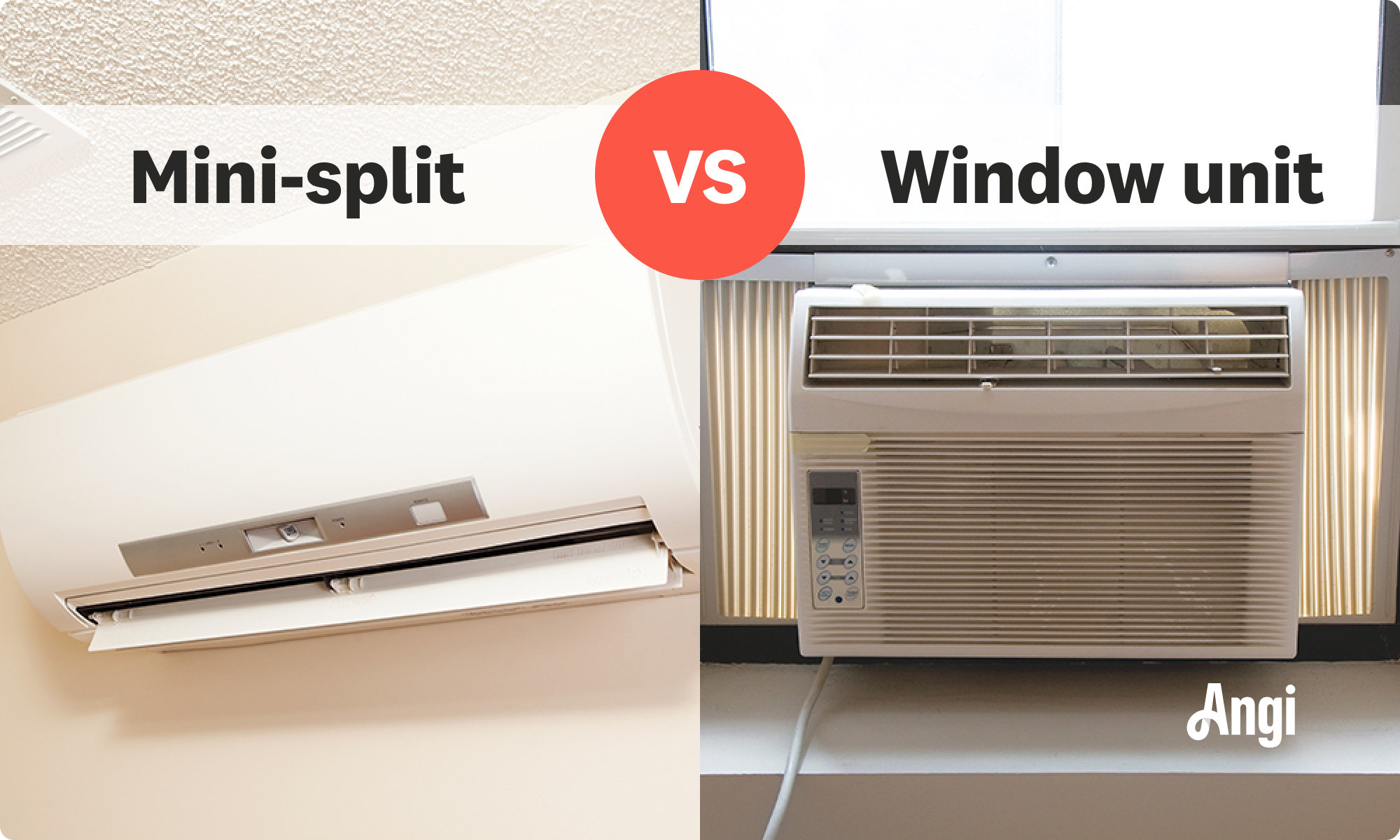
Window unitsfit directly into a window frame. They are easy to install and remove. These units cool single rooms and vent hot air outside through the window.
Portable modelsdo not need a window. They sit on the floor and use a hose to vent hot air outside, usually through a window or door. They can be moved from room to room.
Split systemshave two parts: an indoor unit and an outdoor unit. The indoor unit blows cool air inside. The outdoor unit releases heat outside. These systems are quiet and good for cooling multiple rooms.
Central air conditioningcools an entire house. It uses ducts to send cool air to every room. The main unit is outside, connected to a furnace or air handler inside.
Credit: www.businessinsider.com
Window Ac Installation
Air conditioners often fit best in windows for proper airflow and drainage. Yet, some models can be installed through walls or in special openings. This flexibility depends on the unit and room setup.
Benefits Of Window Units
Window AC unitsare easy to install and cost less than split systems. They cool a single room effectively. These units save space because they fit into the window. No need for extra wall holes or complicated wiring. Many models come with built-in thermostats to keep the room comfortable. They also provide quick cooling on hot days. Window ACs are simple to remove and store in winter.
Installation Requirements
A window that opens and is sturdy is needed for installation. The unit must fit the window size exactly. A power outlet near the window is essential. The AC should be tilted slightly outside for water drainage. Weatherproofing around the unit helps keep air leaks out. Installation usually requires help due to the unit’s weight.
Common Challenges
- Heavy units can be hard to lift and install safely.
- Not all windows are the right size or type.
- Noise can be louder than other AC types.
- Leaks around the window can reduce cooling efficiency.
- Security risks if the unit is not secured well.
Portable Air Conditioners
Portable air conditioners cool a room without needing a window unit. They use a hose to push hot air outside. This hose can be placed in a window, through a wall, or even a door gap. The unit pulls in warm air, cools it inside, and sends the heat out through the hose.
Ventilation options include:
- Window venting using a kit
- Wall venting via a hole
- Door venting with a panel
- Some models work without venting but less effective
| Pros | Cons |
|---|---|
| Easy to move from room to room | Noisy compared to window units |
| Does not require permanent installation | Needs venting to remove hot air |
| Good for renters or temporary use | Less efficient than central AC |
Split And Wall-mounted Acs
Split and wall-mounted ACsdo not need a window for installation. Their design places the compressor outside, while the indoor unit mounts on the wall. This setup offers quiet coolinginside the room and keeps noise outside.
These units are flexibleto install on any wall with access to the outdoor unit. They require a small hole for pipes and wires, not a full window opening.
Cost can vary. Split ACs often cost more upfront than window units but use less energy. This can save money over time. Installation might need a professional, adding to initial costs.
Central Air Systems
Central air systems cool the whole house using one large unit. They do not need a window for installation. Instead, the main unit sits outside the home, connected by ducts inside.
When To Choose Central Ac
- Large homes with multiple rooms
- Preference for even cooling throughout
- Long-term energy savings
- Homes already having ductwork
Ductwork And Setup
Air travels through ducts from the central unit to rooms. Proper duct setup is very important. It ensures cool air reaches every space. Ducts are hidden in walls or ceilings. Installation can take time and may need professional help.
Energy Efficiency
Central AC is often more energy efficient for large spaces. It uses less power to cool many rooms at once. Programmable thermostats help save energy. Sealing ducts reduces energy loss. Regular maintenance keeps the system working well.
Factors Affecting Ac Placement
Room size and layoutaffect where an air conditioner can go. Bigger rooms need more cooling power. Smaller rooms can use smaller units. Furniture and door placement also matter. These can block airflow if the AC is not well placed.
Window availabilityis key for many air conditioners. Some models must be installed in a window. Others can be placed through a wall or on the floor. No window? Portable or split AC units work well.
Ventilation needsare important to avoid moisture and heat build-up. Proper venting prevents damage and keeps air fresh. Window units often vent outside. Portable units use a hose to push air outdoors.
Alternatives To Window Installation
Through-the-wall unitsfit into a hole in the wall, not a window. They save window space and are often quieter. These units need professional installation but offer a clean look.
Portable ACs with exhaust hosesare easy to move around. The hose vents hot air outside through a window or door gap. No permanent installation is required, making them flexible for renters.
Ductless mini-split systemshave two parts: an indoor unit and an outdoor compressor. They cool rooms quietly and efficiently. These systems do not need windows and can cool multiple rooms.

Credit: thelenmechanical.com
Energy Efficiency And Cost
Window unitsusually use more energy than split or central systems. They cool only one room. Portable ACs also use a lot of power and are less efficient.
Split and central air conditioners cool whole homes efficiently. They cost more to install but save energy over time.
| Type | Installation Cost | Maintenance Cost | Energy Use |
|---|---|---|---|
| Window AC | Low | Low | High |
| Portable AC | Low | Moderate | High |
| Split AC | High | Moderate | Low |
| Central AC | Very High | Moderate | Lowest |
Higher initial costs mean less energy waste. This leads to long-term savings. Maintenance keeps systems running well and saves money.
Tips For Choosing The Right Ac
Assessing your spacehelps choose the right AC unit. Measure the room size to find the needed cooling power. Check if there is a window suitable for a window AC or if a portable or split AC fits better. Consider room shape and sun exposure, as these affect cooling needs. Small rooms need less power; large rooms need more.
Budget considerationsaffect your AC choice. Window units usually cost less and are easier to install. Portable units offer flexibility but may be less efficient. Split systems are more expensive but quieter and better for large spaces. Factor in operating costs like electricity.
| Type | Cost | Installation | Best for |
|---|---|---|---|
| Window AC | Low | Easy | Small rooms with windows |
| Portable AC | Medium | Simple | Rooms without windows |
| Split AC | High | Professional | Large spaces, quiet operation |
Professional installation vs DIYdepends on your skills and unit type. Window and portable ACs often fit DIY installation. Split ACs usually need a professional to install pipes and wiring safely. Proper installation ensures good performance and safety.
Frequently Asked Questions
Does An Air Conditioner Have To Be In A Window?
No, an air conditioner does not have to be in a window. Portable and split AC units can be placed elsewhere. Window units are common for ease, but alternatives offer flexibility and efficiency.
Can I Install An Air Conditioner Without A Window?
Yes, you can install an air conditioner without a window. Portable ACs and ductless mini-splits don’t require window installation. These options suit rooms without suitable windows or where window access is limited.
What Are Alternatives To Window Air Conditioners?
Alternatives include portable ACs, ductless mini-split systems, and through-the-wall units. These offer cooling without window installation. Each type fits different room needs and installation preferences, providing versatile cooling solutions.
Are Window Air Conditioners More Energy Efficient?
Window air conditioners are generally energy efficient for small spaces. However, efficiency depends on unit size and insulation. Portable and split systems may offer better efficiency for larger areas or multiple rooms.
Conclusion
An air conditioner does not always need to be in a window. Many options exist, like portable or wall-mounted units. Each type works well in different spaces and needs. Choosing the right one depends on your room and budget. Keep in mind, proper installation helps the unit run smoothly.
Cooling your home comfortably is possible without a window unit. Explore what fits best for your space and enjoy cool air.