Is your home feeling sticky and uncomfortable even when your air conditioner is running? You might wonder, does an air conditioner reduce humidity or just cool the air?
Understanding how your AC works can help you create a more pleasant living space. If you’ve ever asked yourself why the air feels less damp sometimes but still clammy other times, this article will clear things up for you. Keep reading to discover how your air conditioner affects humidity and what you can do to stay cool and comfortable all year round.
How Air Conditioners Work
Air conditioners cool the air inside homes and buildings. They remove heat and help keep rooms comfortable. Besides cooling, they also reduce humidity.
This article explains how air conditioners work. It focuses on the cooling process and their role in moisture removal.
Cooling Process Basics
Air conditioners use a cycle to cool the air. A refrigerant moves through the system, absorbing heat from indoors. The heat moves outside, and cool air returns inside.
- The compressor compresses refrigerant gas, raising its temperature and pressure.
- The hot gas passes through coils outside, releasing heat to the air.
- The refrigerant cools and turns into a liquid.
- The liquid refrigerant moves indoors to evaporator coils.
- Warm air from inside passes over the coils, and the refrigerant absorbs heat.
- The cooled air blows back into the room.
Role In Moisture Removal
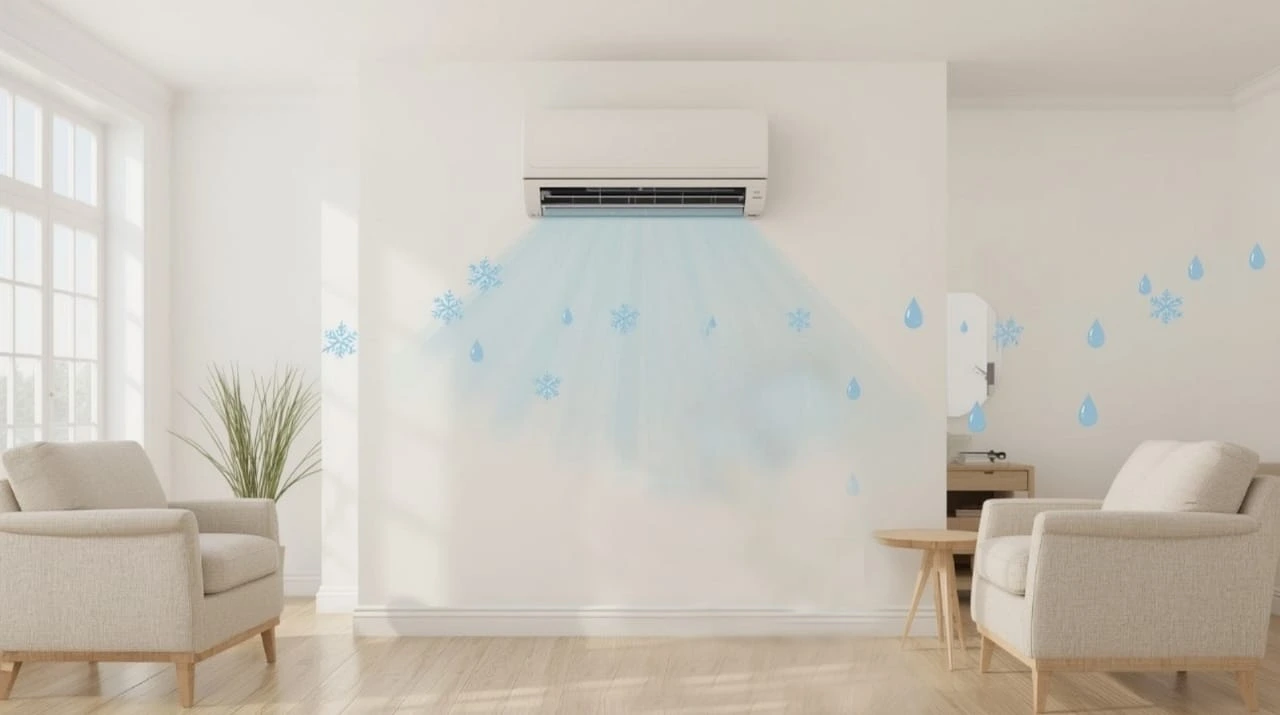
Air conditioners also remove moisture from the air. Warm indoor air touches cold evaporator coils. This causes water vapor to condense.
| Process | Effect |
|---|---|
| Warm air hits cold coils | Water vapor condenses into liquid |
| Condensed water drains away | Humidity inside decreases |
| Drier, cooler air circulates | Comfort improves |
Credit: hvac-temecula-murrieta.com
Air Conditioners And Humidity
Air conditioners help cool indoor spaces. They also affect the moisture in the air.
Understanding how AC units reduce humidity can improve comfort at home or work.
Effect On Indoor Humidity Levels
Air conditioners remove moisture from the air as they cool it. This process lowers indoor humidity levels.
When warm air passes over cold coils, water vapor turns into liquid and drains away.
- Lower humidity makes rooms feel cooler and more comfortable.
- High humidity can cause mold, dust mites, and discomfort.
- AC units help prevent these problems by controlling moisture.
Types Of Ac Systems And Their Impact
Different air conditioners vary in how well they reduce humidity. Some cool and dry better than others.
Here are common types and how they impact indoor moisture:
- Central Air Conditioners:Good at removing humidity because they cool large areas evenly.
- Window Units:Remove some moisture but may not be as effective in large spaces.
- Ductless Mini-Splits:Offer good humidity control in specific rooms.
- Portable ACs:Less effective at reducing humidity as some moisture stays inside.
Benefits Of Humidity Reduction
Air conditioners help lower humidity in indoor spaces. This makes rooms feel cooler and more comfortable.
Reducing humidity also protects your home and health in many ways. Let’s explore these benefits.
Improved Comfort
Lower humidity means less moisture in the air. This makes the air feel cooler and fresher.
When air is dry, sweat evaporates faster. This helps your body cool down naturally.
Prevention Of Mold And Mildew
High humidity creates a good place for mold and mildew to grow. These can damage walls and furniture.
Air conditioners reduce moisture, stopping mold and mildew from spreading in your home.
Health Advantages
Lower humidity helps reduce dust mites and allergens. This can lower allergy and asthma symptoms.
Dry air also limits bacteria and viruses that grow in moist places. This helps keep you healthier.
Limitations Of Air Conditioners
Air conditioners cool the air by removing heat. They also take out some moisture from the air. This helps reduce humidity in a room.
Still, air conditioners have limits. They do not always remove enough humidity. Sometimes, they can even dry the air too much.
When Acs May Not Remove Enough Humidity
Air conditioners lower humidity by cooling the air. But if the air is very humid, ACs might not keep up.
Some ACs are not designed to remove much moisture. They focus more on cooling than drying the air.
- AC size too small for the room
- High outdoor humidity levels
- Short running cycles of the AC
- Poor air circulation inside the room
- Old or poorly maintained AC units
Potential For Excess Dryness
Air conditioners can sometimes make the air too dry. This happens when they run for a long time in dry climates.
Excess dryness can cause dry skin, throat, and eyes. It can also increase static electricity in the room.
- Run the AC less if air feels too dry
- Use a humidifier to add moisture
- Keep indoor plants to help balance humidity
Enhancing Humidity Control
Air conditioners do help reduce humidity in indoor spaces. They cool the air and remove moisture. This makes rooms feel more comfortable.
Using additional methods can improve humidity control. Combining tools and good practices keeps humidity at healthy levels.
Using Dehumidifiers With Ac
Dehumidifiers remove extra moisture from the air. They work well alongside air conditioners. This helps keep rooms dry and cool.
Air conditioners mainly cool the air. Dehumidifiers focus on lowering humidity. Using both can balance temperature and moisture better.
- Run a dehumidifier in very humid rooms
- Use AC to keep the air cool
- Choose a dehumidifier size for your room
- Check water collection and empty it regularly
Proper Maintenance Tips
Regular maintenance keeps air conditioners working well. Clean filters and coils often. This helps AC remove humidity better.
Check for leaks or blockages in the system. Fix problems quickly to avoid humidity buildup. Proper care extends the life of your AC.
- Clean or replace air filters every 1-3 months
- Inspect and clean coils yearly
- Remove debris around outdoor units
- Schedule professional service once a year
Ventilation And Airflow
Good airflow helps reduce indoor humidity. Ventilation moves moist air outside. This supports the AC in controlling moisture.
Use exhaust fans in kitchens and bathrooms. Open windows when weather allows. This helps fresh air flow and reduces dampness.
- Install exhaust fans in moisture-prone areas
- Keep vents and ducts clean and unblocked
- Open windows to improve air circulation
- Use ceiling fans to help air move

Credit: www.aljazeera.com
Choosing The Right System
Choosing the right air conditioner affects how well it controls humidity. Not all systems remove moisture equally. Some models have features that help reduce indoor humidity better.
Understanding these features and energy use helps pick a system that keeps rooms comfortable and saves power.
Ac Features For Humidity Control
Some air conditioners have special settings to remove more moisture from the air. These features improve comfort, especially in humid climates.
- Dehumidification mode that runs the fan slower to pull more moisture
- Variable speed compressors to adjust cooling and moisture removal
- Smart sensors that detect humidity levels and adjust operation
- Drain pans and pumps to remove collected water efficiently
Energy Efficiency Considerations
Energy-efficient air conditioners save electricity while controlling humidity. Look for units with a good Seasonal Energy Efficiency Ratio (SEER) and Energy Star rating.
| Feature | Benefit |
| High SEER rating | Uses less energy for cooling and dehumidifying |
| Inverter technology | Maintains steady temperature and humidity with less power |
| Energy Star certification | Meets strict energy efficiency guidelines |
| Programmable thermostat | Allows precise control over temperature and run time |

Credit: www.aljazeera.com
Frequently Asked Questions
Does An Air Conditioner Lower Indoor Humidity?
Yes, air conditioners remove moisture from the air as they cool. This process reduces indoor humidity, making the environment more comfortable and less sticky.
How Does An Air Conditioner Reduce Humidity?
An air conditioner cools air by passing it over cold coils. Moisture condenses on the coils and drains away, effectively lowering humidity levels inside.
Can Air Conditioners Prevent Mold Growth By Reducing Humidity?
Yes, by lowering indoor humidity, air conditioners help prevent mold and mildew growth. Reduced moisture limits the environment mold needs to thrive, improving air quality.
Is A Dehumidifier Better Than An Air Conditioner?
A dehumidifier specifically targets moisture removal and is more efficient at lowering humidity. Air conditioners cool air and reduce humidity but are less specialized.
Conclusion
Air conditioners do help reduce humidity levels. They work by cooling the air and removing excess moisture. This makes indoor spaces feel more comfortable. Lower humidity can prevent mold and dust mites. It’s important for health and comfort. Regular maintenance keeps your AC running efficiently.
Clean filters and check for leaks. Choosing the right size unit matters too. A properly sized AC cools effectively and manages humidity well. Keep these tips in mind. Enjoy a cooler, drier home environment.