Are you tired of feeling sticky and uncomfortable every time the humidity rises? You might wonder if your air conditioner can help with more than just cooling your room.
Does an air conditioner reduce humidity, or does it only lower the temperature? Understanding how your AC works can make a big difference in your comfort. Keep reading to discover the truth about air conditioners and humidity, so you can enjoy a fresher, cooler, and more comfortable space every day.

Credit: www.aljazeera.com
How Air Conditioners Work
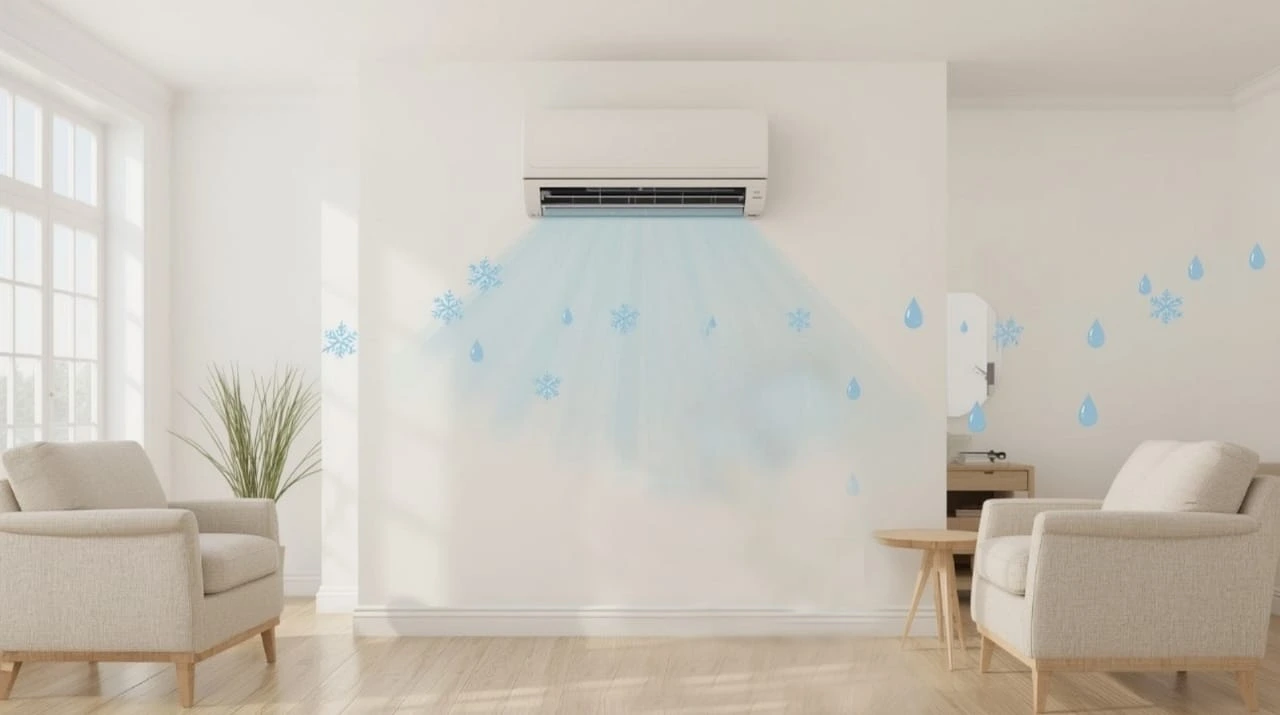
An air conditioner cools the air by removing heat from inside a room. It pulls warm air through a cold coil, which cools the air. This process also causes moisture in the air to condense on the coil. The condensed moisture then drips away, lowering the room’s humidity.
As the air cools, its ability to hold moisture drops. This means the air inside becomes drier and more comfortable. The air conditioner helps keep the space both cool and less humid.
| Step | What Happens |
|---|---|
| Warm air enters | Air passes over cold coils |
| Cooling | Heat is removed from air |
| Moisture removal | Water condenses on coils and drains out |
| Cool, drier air | Air returns to room with less humidity |
Air Conditioners And Humidity Levels
An air conditioner does more than cool the air. It also removes moisturefrom inside your home. This process is called dehumidification. As warm air passes over the cold coils of the AC, water vapor in the air condenses into liquid. This liquid collects and drains away, lowering the humidity level.
The amount of moisture removed depends on several factors:
- Temperature settings:Cooler settings usually remove more moisture.
- AC size:A properly sized unit works best for humidity control.
- Run time:Longer operation means more dehumidification.
- Outdoor humidity:High outside moisture can affect indoor levels.
Types Of Air Conditioners And Humidity
Central air systemscool entire homes and remove a lot of humidity. They pull warm, moist air inside, cool it, and then send dry air back out. These systems use ducts to spread air evenly. This makes rooms feel cooler and less sticky.
Window unitsare good for single rooms. They cool the air and take out moisture, but not as much as central systems. Window units drain water outside or into a small container you must empty.
Portable air conditionerswork like window units but can move from room to room. They also remove some moisture. Portable ACs have a hose to push hot air outside. Water collects in a tank that needs regular emptying.

Credit: www.aljazeera.com
When Air Conditioners Struggle With Humidity
Air conditioners can struggle in high humidity environments. When the air holds a lot of moisture, the unit works harder to remove it. This can cause the system to run longer and cool less efficiently. Sometimes, the AC may not reduce humidity enough, leaving the room feeling damp.
Maintenance issuesalso affect how well an air conditioner reduces humidity. Dirty filters or clogged coils block airflow. This reduces the AC’s ability to cool and remove moisture. Regular cleaning and upkeep keep the system working properly and improve humidity control.
Enhancing Humidity Control
An air conditioner can help reduce humidityby cooling the air and removing moisture. However, it is not designed to fully control humidity.
Using a dehumidifieris effective for lowering humidity levels. It pulls moisture from the air and collects it in a tank. This keeps rooms dry and comfortable.
Improving ventilationhelps air flow better. Opening windows or using exhaust fans removes humid air and brings fresh air inside. This lowers moisture naturally.
Regular maintenanceof AC units keeps them working well. Clean filters and coils help remove moisture faster. Check for leaks or blockages often.
Credit: hvac-temecula-murrieta.com
Frequently Asked Questions
Does An Air Conditioner Remove Indoor Humidity Effectively?
Yes, air conditioners reduce indoor humidity by cooling air and condensing moisture. This process lowers humidity, making rooms more comfortable and less sticky.
How Does An Air Conditioner Reduce Humidity In A Room?
Air conditioners cool warm air, causing moisture to condense on coils. This condensation removes excess water vapor, effectively reducing indoor humidity levels.
Can Using An Air Conditioner Prevent Mold And Mildew?
Yes, by lowering humidity, air conditioners help prevent mold and mildew growth. Reduced moisture creates an environment less favorable for these allergens.
Does Running An Air Conditioner Increase Or Decrease Humidity?
Running an air conditioner decreases indoor humidity by removing moisture from the air. This creates a cooler and drier environment inside your home.
Conclusion
An air conditioner can help lower indoor humidity. It cools the air and removes moisture. This makes the room feel more comfortable. But, it may not fix very high humidity alone. Using a dehumidifier can improve results. Proper ventilation also helps control moisture levels.
Knowing how your AC works is important. It saves energy and keeps your home healthy. Keep your AC clean for best performance. Simple steps can make a big difference. Enjoy a cooler, drier space with the right tools.