Are you tired of feeling sticky and uncomfortable in your own home? You might wonder if your air conditioner is doing more than just cooling the air.
Does an air conditioner remove humidity? Understanding this can change how you manage your indoor comfort. Keep reading to discover the surprising truth about your AC’s role in controlling moisture and how it affects your living space. You’ll learn simple tips to make your home feel fresher and more comfortable every day.
Don’t miss out on making your environment the perfect place to relax!

Credit: coastalhomeservicesinc.com
How Air Conditioners Work
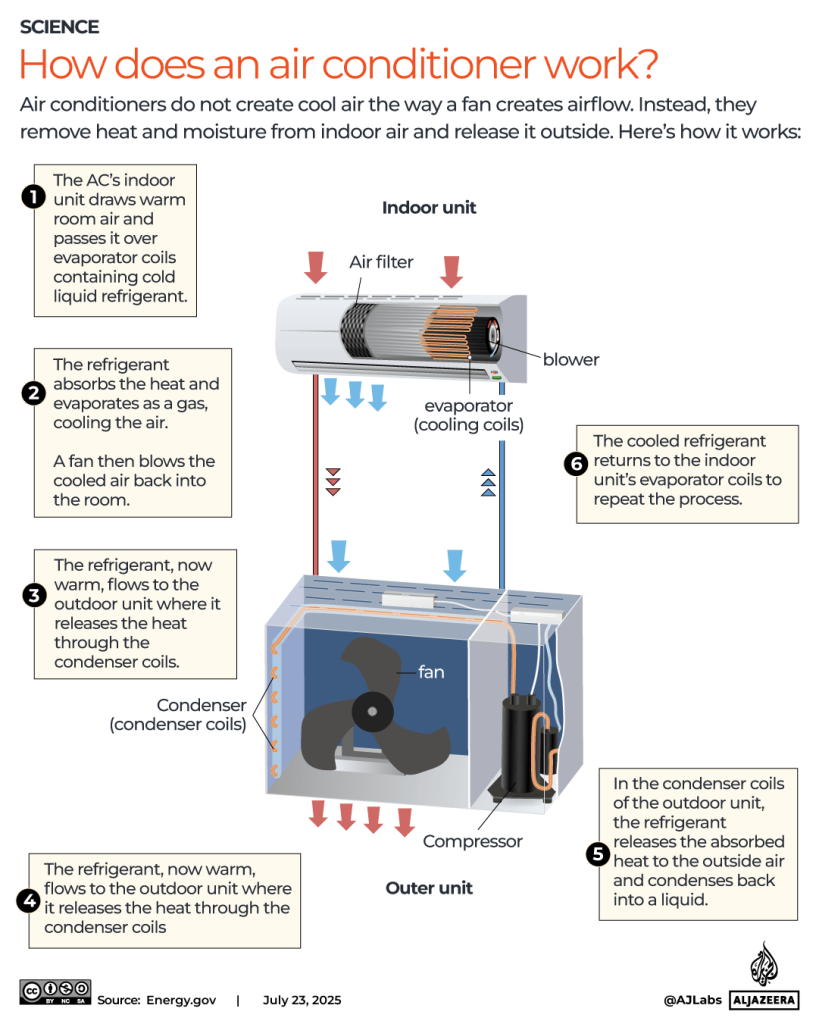
Air conditioners cool indoor air by removing heat and moisture. They use a cycle that moves heat from inside to outside.
This process not only lowers the temperature but also reduces humidity, making the air feel more comfortable.
Cooling Process Explained
The cooling process starts when warm air from the room is pulled into the air conditioner. Inside, the air passes over cold coils that absorb heat.
- Warm air enters the unit
- Air passes over cold evaporator coils
- Heat transfers from air to coils
- Air cools down and moisture condenses
- Cool, dry air returns to the room
- Heat is moved outside by the condenser
Role Of Refrigerants
Refrigerants are special fluids that carry heat inside the air conditioner. They change from liquid to gas and back to liquid to move heat.
| Stage | Refrigerant State | Function |
| Evaporation | Liquid to Gas | Absorbs heat from indoor air |
| Compression | Gas | Raises pressure and temperature |
| Condensation | Gas to Liquid | Releases heat outside |
| Expansion | Liquid | Reduces pressure for next cycle |

Credit: www.yahoo.com
Air Conditioners And Humidity
Air conditioners cool the air in your home by removing heat. They also affect humidity levels inside.
Many people wonder if air conditioners can remove humidity and how that process works.
Moisture Removal Mechanism
Air conditioners remove moisture as they cool the air. Warm air passes over cold coils inside the unit.
The cold coils cause water vapor in the air to turn into liquid. This liquid collects and drains away.
- Warm air enters the AC unit
- Air passes over cold evaporator coils
- Moisture condenses into water droplets
- Water drains outside or to a container
- Drier, cooler air is sent back into the room
Difference Between Cooling And Dehumidifying
Cooling lowers the air temperature by removing heat. Dehumidifying removes moisture from the air.
Air conditioners cool and remove some humidity but are not designed for strong dehumidifying.
- Cooling: reduces air temperature
- Dehumidifying: lowers moisture levels
- ACs remove humidity as a side effect of cooling
- Dehumidifiers focus only on moisture removal
- Dehumidifiers keep temperature steady while drying air
Factors Affecting Humidity Removal
Air conditioners not only cool the air but also remove moisture. The amount of humidity removed depends on several key factors. Understanding these can help you get better comfort at home.
This guide covers the main factors that affect how well an air conditioner removes humidity.
Temperature Settings
The temperature set on your air conditioner influences humidity removal. Lower temperatures make the unit run longer and remove more moisture from the air.
But setting the temperature too low can cause the air to feel dry and uncomfortable. It is best to find a balance between cooling and moisture control.
Airflow And Ventilation
Good airflow helps the air conditioner remove humidity efficiently. Proper ventilation brings in fresh air and moves moist air out.
- Use ceiling fans to improve air circulation.
- Keep doors and windows closed when cooling.
- Check and clean air filters regularly.
- Ensure vents are not blocked by furniture.
Unit Size And Capacity
The size of the air conditioner affects humidity removal. A unit that is too small will run continuously but not remove enough moisture.
| Unit Size | Effect on Humidity Removal |
|---|---|
| Too Small | Runs constantly but removes less moisture |
| Proper Size | Efficiently cools and removes humidity |
| Too Large | Cools quickly but may not run long enough to remove moisture |

Credit: www.georgiaairrepair.com
Limitations Of Air Conditioners In Humidity Control
Air conditioners cool indoor air by removing heat. They also take out some moisture in the air. But they are not perfect dehumidifiers. Their ability to control humidity has limits.
Understanding when an air conditioner might fail to remove enough moisture helps you manage indoor humidity better. Some factors reduce its effectiveness in keeping air dry.
When Acs Fail To Remove Enough Moisture
Air conditioners remove moisture as they cool air. But certain conditions can stop them from removing enough humidity. For example, if the AC is too large, it cools the room fast but runs for a short time. This short run does not remove enough moisture.
- Oversized air conditioners cool quickly but remove less moisture.
- Short cycling reduces moisture removal time.
- High indoor humidity can overwhelm the AC’s capacity.
- Improper maintenance lowers efficiency in moisture removal.
- Low outdoor temperatures reduce the AC’s ability to dehumidify.
Potential For Increased Indoor Humidity
Sometimes, air conditioners can make indoor humidity worse. This happens if moisture from outside leaks inside or if there is poor ventilation. Also, some AC systems do not drain water properly, causing moisture to build up.
| Cause | Effect on Indoor Humidity |
| Leaks in Windows or Doors | Allows humid air inside |
| Poor Ventilation | Traps moisture indoors |
| Clogged or Broken Drain Lines | Water buildup inside the AC unit |
| Excess Indoor Activities | Increases moisture from cooking, bathing |
| High Outdoor Humidity | Makes it harder for AC to dry air |
Alternatives And Supplements For Humidity Control
Air conditioners cool the air and can reduce some moisture. Still, they do not always remove enough humidity. Using other methods helps keep your home comfortable and dry.
This guide covers different ways to control humidity beyond air conditioning. You will learn about dehumidifiers, ventilation, and other moisture control methods.
Using Dedicated Dehumidifiers
Dehumidifiers are machines made to remove moisture from the air. They work well in damp rooms or places with poor airflow. Using one can help reduce mold and musty smells.
- Choose a dehumidifier size that fits your room.
- Empty the water tank regularly to keep it working.
- Place it away from walls for better air circulation.
- Use it in basements, bathrooms, or kitchens.
- Check the humidity level to avoid over-drying the air.
Improving Home Ventilation
Good ventilation brings fresh air inside and removes humid air. This lowers indoor moisture naturally and keeps air quality healthy. Opening windows and using fans help improve airflow.
- Open windows during dry weather to let moisture out.
- Install exhaust fans in kitchens and bathrooms.
- Use ceiling fans to move air around rooms.
- Keep vents clean and unblocked.
- Consider a whole-house ventilation system for large spaces.
Other Moisture Control Methods
Besides machines and ventilation, some simple steps reduce moisture in your home. These methods stop water buildup and protect your house from damage.
| Method | How It Helps |
| Fix leaks | Prevents water from entering walls and floors |
| Use moisture absorbers | Absorbs extra humidity in small spaces |
| Dry clothes outside | Stops indoor air from getting more humid |
| Seal windows and doors | Blocks humid air from outside |
| Insulate pipes | Reduces condensation on cold surfaces |
Tips To Maximize Humidity Removal With Ac
An air conditioner cools the air and also helps remove humidity. Controlling humidity improves comfort and air quality. You can use your AC better to reduce moisture inside your home.
Below are some tips to make your air conditioner remove humidity more efficiently. Follow these simple steps to feel drier and cooler indoors.
Optimal Temperature Settings
Setting the right temperature helps your AC remove humidity faster. If the temperature is too high, the AC may not run long enough to remove moisture. If it is too low, it wastes energy.
- Set the thermostat between 72°F and 78°F for balanced cooling and dehumidifying.
- Avoid constant temperature changes to keep the AC running steadily.
- Use a programmable thermostat to adjust settings when you are away.
Regular Maintenance And Cleaning
Dirty parts reduce your AC’s ability to remove humidity. Cleaning and maintenance keep it working well and extend its life.
| Maintenance Task | Why It Helps |
| Clean or replace filters | Improves airflow and moisture removal |
| Clear condenser coils | Enhances cooling efficiency |
| Check refrigerant levels | Ensures proper cooling and dehumidifying |
| Inspect drainage system | Prevents water buildup and leaks |
Proper Use Of Fan Modes
Fan settings affect how your AC removes humidity. Using the right mode helps dry the air better and saves energy.
Follow these fan mode tips:
- Use the “Auto” fan mode so the AC runs only when needed.
- Avoid “On” mode because the fan runs constantly, reducing dehumidifying.
- Turn off the fan when cooling is off to stop moisture circulation.
Frequently Asked Questions
Does An Air Conditioner Reduce Indoor Humidity Effectively?
Yes, an air conditioner removes humidity by cooling air and condensing moisture. This process lowers indoor humidity, creating a comfortable environment.
How Does An Air Conditioner Remove Moisture From Air?
Air conditioners cool warm air, causing moisture to condense on the evaporator coil. The condensed water drains away, reducing indoor humidity levels.
Can An Air Conditioner Replace A Dehumidifier?
An air conditioner reduces humidity but isn’t as effective as a dehumidifier. Dehumidifiers specifically target moisture removal for better control.
Does Running An Air Conditioner Prevent Mold Growth?
By lowering humidity, an air conditioner helps prevent mold and mildew. Maintaining indoor humidity below 60% reduces mold risks significantly.
Conclusion
An air conditioner does help remove some humidity from the air. It cools the room and takes moisture out during this process. But it may not fully solve high humidity problems alone. Using a dehumidifier can improve comfort in very damp places.
Remember to keep AC filters clean for better performance. Understanding how your air conditioner works helps you stay cool and dry. Choose the right tools for your home’s needs. Stay comfortable all year round.