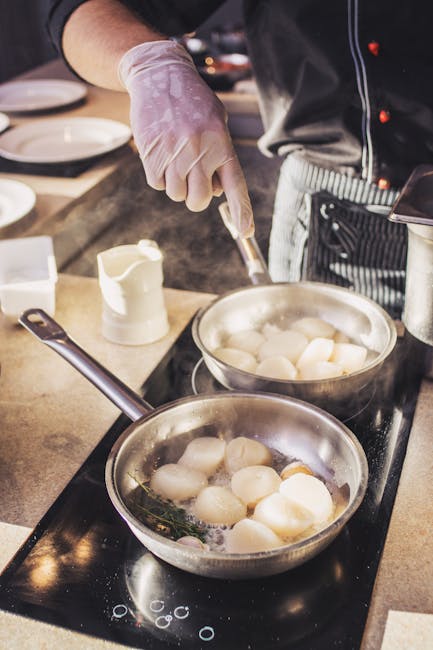
Have you ever wondered if an induction cooktop actually gets hot like a regular stove? If you’re thinking about upgrading your kitchen or just curious about how this modern appliance works, understanding how hot it really gets is key.
You might be surprised to learn what’s happening beneath the surface when you cook. Stick with me, and you’ll discover the truth behind induction heat, how it affects your cooking, and why it might be safer and more efficient for your home.
Keep reading to clear up the mystery and make the best choice for your kitchen.
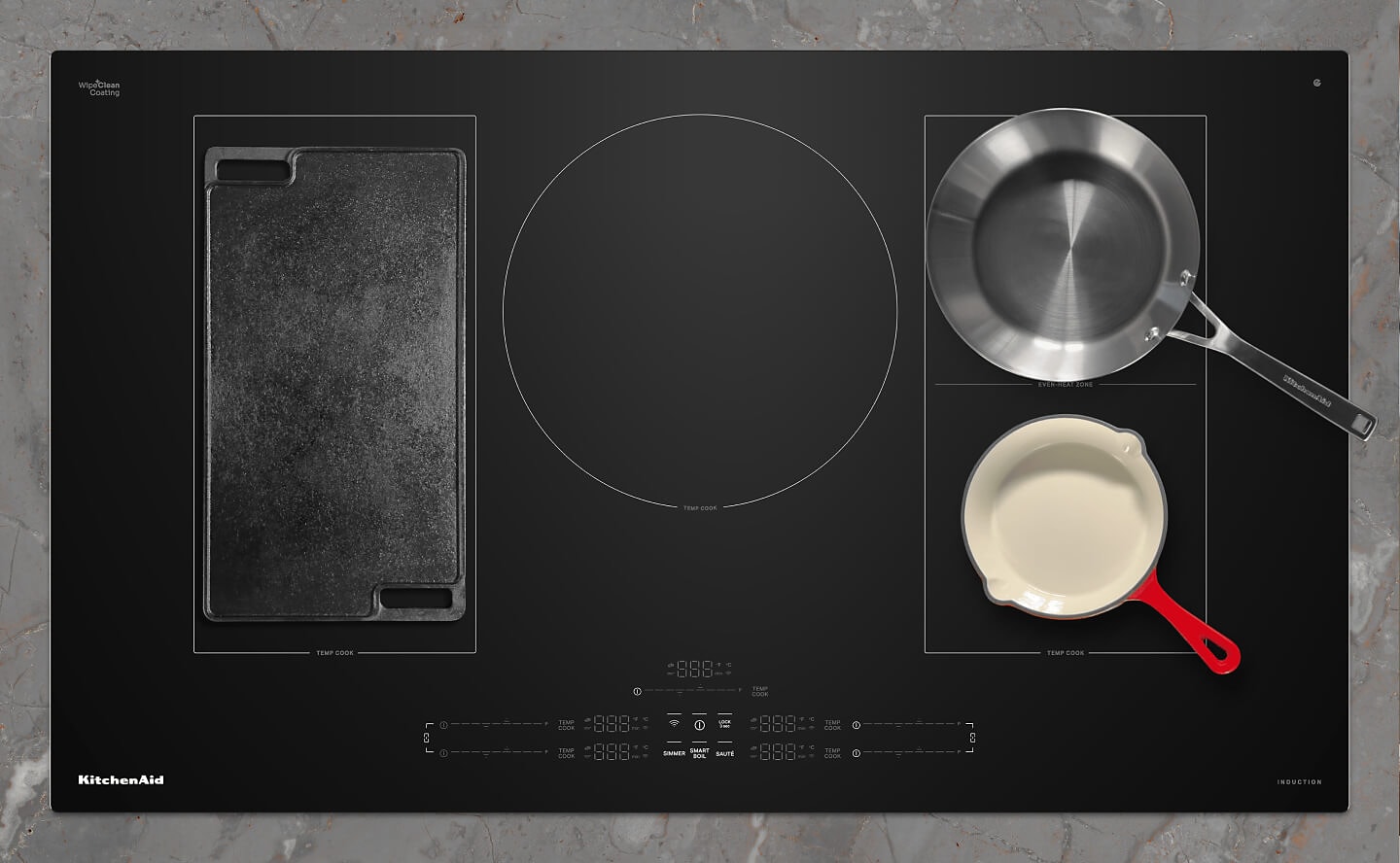
Credit: www.kitchenaid.com
How Induction Cooktops Work
Induction cooktops use a unique way to heat food. They do not get hot in the same way as gas or electric stoves. Instead, they use magnetic energy to heat the cookware directly. This method makes cooking faster and safer. Understanding how induction cooktops work helps explain if they get hot and why.
Magnetic Heating Process
Induction cooktops create a magnetic field under the glass surface. This field changes rapidly, causing electric currents inside the cookware. These currents heat the pot or pan directly. The cooktop itself stays cool because it does not produce heat. Heat comes from the cookware, not the cooktop surface.
Cookware Compatibility
Not all pots and pans work with induction cooktops. Cookware must be made of magnetic materials like cast iron or some stainless steels. Aluminum, copper, or glass pans do not work unless they have a magnetic base. Using the right cookware ensures the magnetic field can heat the pan effectively. This compatibility is key to the induction cooktop’s performance.
Surface Temperature During Cooking
Understanding the surface temperature during cooking on an induction cooktop is key to safe and efficient use. Unlike traditional stoves, induction cooktops heat differently. The surface itself usually stays cooler, but it can become warm due to the cooking process. Knowing how and why helps users manage heat better.
Heat Transfer To The Cooktop
The induction cooktop heats pots and pans directly through magnetic fields. The cooktop surface does not generate heat by itself. Instead, heat moves from the hot cookware to the glass surface. This transfer causes the cooktop area under the pot to warm up.
Areas without cookware remain cool or only slightly warm. This limits the risk of burns. The glass surface temperature depends on the heat level and the type of pot used.
Residual Heat After Cooking
After turning off the cooktop, the surface can stay warm for a short time. This is due to the heat left in the pot and the glass. The cooktop usually has a heat indicator light to warn users.
Residual heat cools down quickly compared to gas or electric stoves. This feature adds safety and energy efficiency. It also helps avoid accidental burns after cooking.
Safety Features Of Induction Cooktops
Induction cooktops offer a modern way to cook with safety in mind. Their design includes features that reduce risks of burns and fires. These safety elements make them popular in busy kitchens and homes with children.
Auto Shut-off Mechanism
Induction cooktops often have an auto shut-off feature. It turns the cooktop off if no pot is detected. This prevents the cooktop from heating empty surfaces. The feature also activates if the pot boils dry or overheats. This helps avoid accidents and saves energy.
Cool-to-touch Surface
The surface of an induction cooktop stays cool during use. Only the pan and its contents get hot. This limits the risk of burns from touching the cooktop. It also means spills are less likely to burn onto the surface. Cleaning becomes easier and safer.

Credit: www.artisanwestappliance.com
Comparing Heat Levels With Other Cooktops
Understanding how hot an induction cooktop gets compared to other types of cooktops can help you decide if it fits your cooking style. Heat level plays a crucial role not just in cooking speed but also in safety and energy efficiency. Let’s look closely at how induction stacks up against gas and electric cooktops.
Induction Vs Gas
Gas cooktops produce an open flame, which can reach very high temperatures quickly. However, much of the heat escapes into the air, making the kitchen warmer and less energy-efficient.
Induction cooktops heat the pan directly using magnetic fields, which means less wasted heat. The surface around the pan stays relatively cool, reducing the risk of burns.
Have you noticed how gas flames can be hard to control sometimes? Induction offers precise heat adjustments that respond instantly when you change the settings, giving you more control over your cooking.
Induction Vs Electric
Traditional electric cooktops use heating elements that take time to warm up and cool down. This lag can lead to uneven cooking temperatures and less control.
Induction cooktops, on the other hand, heat instantly and cool down quickly once you turn them off. This responsiveness can improve cooking accuracy and safety.
Electric cooktops get hot all over the surface, which can cause accidental burns or damage to nearby items. Induction limits the heat to the pan itself, keeping the cooking area safer and cleaner.
Common Myths About Induction Heat
Induction cooktops are surrounded by many myths that can confuse anyone considering a switch. These misunderstandings often lead to hesitation, even though induction technology offers great benefits. Let’s clear up some common myths about how induction heat really works and what you can expect from your cooktop.
Misconceptions About Surface Heat
Many people think the entire cooktop surface gets hot during cooking. In reality, only the area directly under the pan heats up because induction uses magnetic fields to heat the cookware itself.
This means the cooktop stays relatively cool to the touch, reducing the risk of burns. Have you ever worried about accidentally touching a hot stove? With induction, that worry is mostly unnecessary.
However, residual heat from the pan can warm the surface slightly, but it cools down much faster than traditional stoves. This is a safety feature often overlooked but very useful in busy kitchens.
False Beliefs About Cooking Speed
Some assume induction cooktops cook food slower because they don’t use direct flame or traditional heating elements. In fact, induction heats pans faster than gas or electric stoves.
Because energy transfers directly to the cookware, cooking times often shorten. Have you noticed how long it takes to boil water on your old stove? Induction can cut that time by almost half.
This speed means you can prepare meals quicker, saving time and energy. If you haven’t tried induction, you might miss out on this efficiency boost that changes your cooking routine for the better.

Credit: www.familyhandyman.com
Tips To Maximize Efficiency
Maximizing the efficiency of your induction cooktop not only saves energy but also improves your cooking experience. Small changes in how you use and care for your cooktop can make a noticeable difference. Let’s look at two key areas that impact performance the most.
Choosing The Right Cookware
Not all pots and pans work well with induction cooktops. Your cookware needs to be magnetic to trigger the induction process. Try holding a magnet to the bottom of your pan—if it sticks firmly, it’s a good candidate.
Opt for flat-bottomed cookware to ensure even contact with the cooktop surface. Uneven bases can reduce heat transfer and increase cooking time. Have you noticed how some pans heat faster than others? That’s often due to the base material and shape.
- Choose cookware made from cast iron or magnetic stainless steel.
- Avoid aluminum or copper pans unless they have a magnetic layer.
- Check the size of the cookware; it should match the size of the induction zone.
Maintaining The Cooktop Surface
Keeping your cooktop clean is essential for efficiency. Even small spills or residues can interfere with the magnetic field, slowing down cooking. Wiping the surface after every use ensures nothing blocks the heat transfer.
Use soft cloths and mild cleaners to avoid scratching the glass surface. Scratches can scatter the magnetic field and reduce performance over time. Have you ever noticed your cooktop looking dull or scratched? That could be why your cooking feels slower.
- Clean spills immediately to prevent them from hardening.
- Use a non-abrasive cleaner and a soft cloth.
- Regularly check for cracks or chips, as damaged surfaces affect efficiency.
Frequently Asked Questions
Does An Induction Cooktop Surface Get Hot?
No, the induction cooktop surface stays relatively cool. It heats the cookware directly through magnetic induction, reducing surface heat.
Can Induction Cooktops Cause Burns?
Yes, burns can occur from residual heat on the cooktop or hot cookware. Caution is still needed when cooking.
How Does An Induction Cooktop Heat Pots?
Induction cooktops use electromagnetic fields to heat magnetic cookware directly, not the cooktop surface itself.
Is Induction Cooking Safer Than Gas Or Electric?
Induction is safer as it heats cookware directly, reducing burn risks and no open flame exposure.
Conclusion
Induction cooktops offer a modern cooking experience. They stay cooler than traditional stoves. Their unique technology heats pots, not surfaces. This means less risk of burns. Safe and efficient cooking becomes achievable. Families find them ideal for busy kitchens. Remember, choosing the right cookware matters.
Only magnetic pots work well. Easy to clean and energy-saving features make them appealing. Consider an induction cooktop for your next kitchen upgrade. It promises convenience and safety. Enjoy a smarter way to cook. Keep exploring how it fits your needs.
Make cooking simpler and safer.