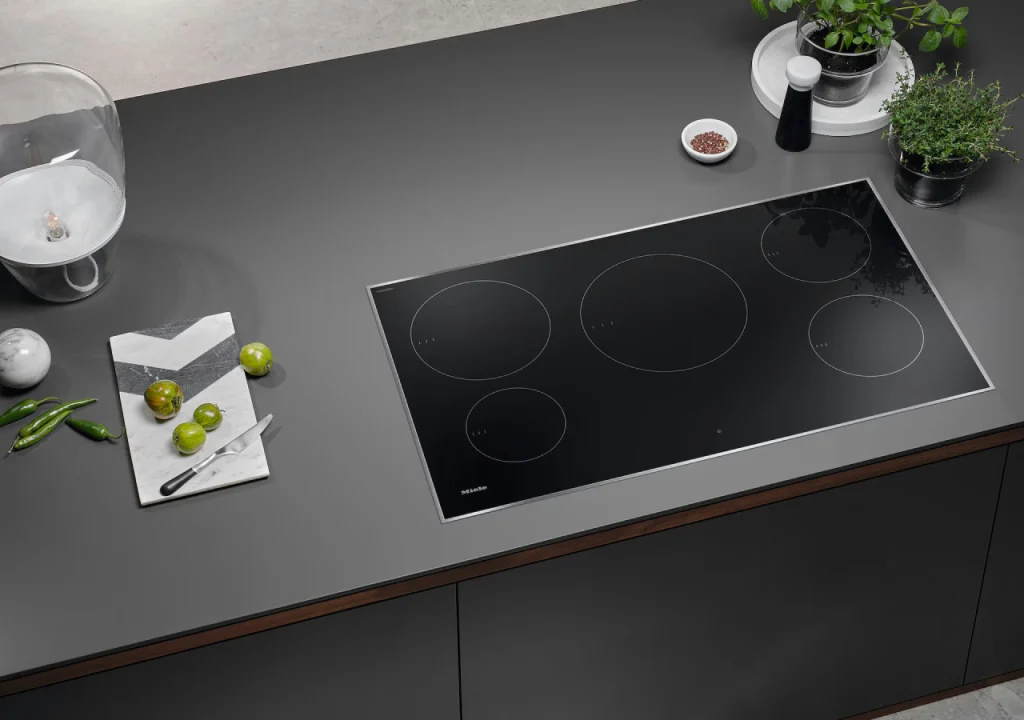
Imagine whipping up your favorite meal on a sleek induction cooktop. The kitchen is your domain, a place where you express creativity and skill.
But there’s a question lingering in your mind: does an induction cooktop need a vent? You’ve heard different opinions, and it’s crucial to know the answer for the health and comfort of your kitchen environment. We’ll dive into the facts, cutting through the clutter of misinformation.
You’ll discover if a vent is necessary, how it affects your cooking space, and what steps you might need to take to ensure your kitchen remains safe and efficient. Stick around, because understanding this could transform your cooking experience and enhance the air quality in your home. Curious? Let’s uncover the truth together.
Credit: www.kitchenaid.com
Induction Cooktop Basics
Understanding the basics of an induction cooktop is key before deciding if you need a vent for it. Induction cooktops use a unique cooking method that differs from traditional gas or electric stoves. Knowing how they work and what kind of heat or smoke they produce can help you make better choices for your kitchen setup.
How Induction Cooking Works
Induction cooktops use magnetic fields to heat your cookware directly. Instead of heating the cooktop surface, the energy transfers straight to the pot or pan. This makes cooking faster and more energy-efficient.
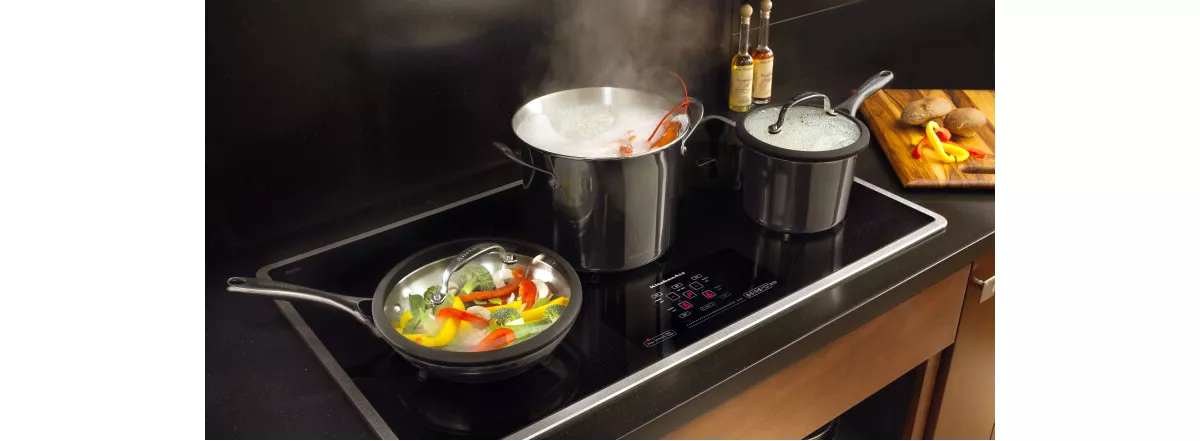
Because the cooktop itself stays relatively cool, you won’t get the same heat around the cooking area as you do with gas or electric stoves. Have you noticed how quickly water boils on an induction cooker? That’s the magnetic energy at work, heating only the cookware.
Heat And Smoke Production
Since induction cooktops heat only the pan, there’s less ambient heat released into your kitchen. This means your cooking space stays cooler compared to gas stoves. Less heat around your cooking area can reduce the need for extensive ventilation.
However, smoke and steam still come from the food itself when it cooks, especially if you’re frying or searing. The amount of smoke depends on what you’re cooking and how hot your pan gets, not on the cooktop type.
So, the real question is: How much smoke and steam does your cooking produce, and does your kitchen already have adequate ventilation? This will guide whether your induction cooktop needs a vent or if your current setup is enough.
Ventilation Needs For Induction Cooktops
Understanding the ventilation needs for induction cooktops is important for maintaining a safe and comfortable kitchen environment. While induction cooktops heat food differently than traditional stoves, they still produce some fumes and steam. Knowing when and how to ventilate can help you avoid lingering smells and excess moisture in your kitchen.
Comparing Induction And Traditional Cooking Fumes
Induction cooktops use magnetic fields to heat pots and pans directly, so the cooktop surface stays cooler. This means less heat escapes into your kitchen compared to gas or electric coil stoves.
Traditional cooking methods often produce smoke, grease, and combustion gases that need to be vented out effectively. Induction cooktops generate fewer combustion byproducts because there is no open flame or burning fuel involved.
However, cooking itself—like frying or boiling—still releases steam, odors, and tiny particles. These can accumulate without proper airflow, so even with induction, some ventilation is necessary.
When Venting Becomes Necessary
Do you cook meals that produce strong smells, like frying fish or sautéing onions? These aromas can linger without proper ventilation, making your kitchen less pleasant.
If your kitchen feels humid after boiling or steaming, it’s a sign that moisture buildup needs to be addressed. Excess moisture can lead to mold or damage to cabinets and walls.
Using a range hood or exhaust fan helps remove steam, odors, and airborne particles quickly. Even if your induction cooktop doesn’t produce flames or combustion gases, venting keeps your kitchen air fresh and clean.
In small or enclosed kitchens, relying solely on natural ventilation like open windows might not be enough. Installing a vent system ensures constant airflow and better air quality, regardless of your cooking habits.
Types Of Kitchen Ventilation
Kitchen ventilation helps remove smoke, steam, and odors while cooking. It keeps the air fresh and improves safety. Different types of ventilation work for various kitchen setups. Choosing the right one depends on space, cooking style, and installation options.
Range Hoods
Range hoods sit above the cooktop and draw air upward. They capture smoke, grease, and heat effectively. Most range hoods vent air outside the house. This type offers strong ventilation and keeps the kitchen air clean. Installation requires ductwork through walls or ceilings.
Downdraft Vents
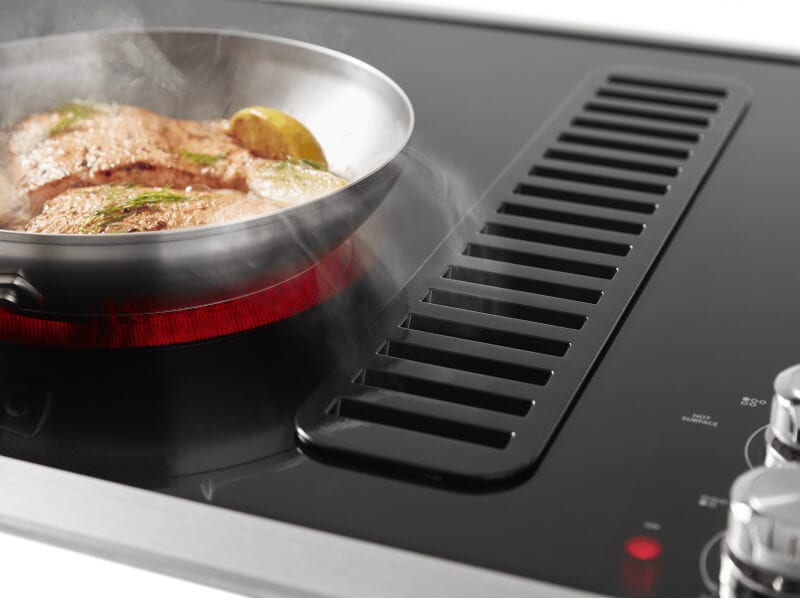
Downdraft vents pull air down through a vent near the cooktop. They are hidden in the countertop and rise when needed. These vents work well for kitchens without overhead space. They remove smoke and odors at the cooking surface. Downdraft vents often vent air outside or use filters for recirculation.
Recirculating Systems
Recirculating systems filter air and release it back into the kitchen. They use charcoal or carbon filters to reduce odors. These systems do not require external ducts. Ideal for kitchens where venting outside is difficult. Regular filter changes are necessary to maintain performance.

Credit: us.ciarraappliances.com
Vent Installation Considerations
Vent installation around an induction cooktop needs careful thought. Proper planning ensures safety and efficiency. It also keeps your kitchen fresh and clean. Several factors influence the best vent setup. Understanding these helps you make the right choice for your space.
Kitchen Layout And Vent Placement
The shape and size of your kitchen affect vent placement. Place vents where smoke and steam rise naturally. Overhead vents work well in open kitchens. Wall vents suit smaller or enclosed spaces.
Keep the vent close to the cooktop for better air capture. Avoid placing vents near windows or doors that cause drafts. Check for easy access to outside walls for vent exhaust. This reduces installation complexity and cost.
Noise And Maintenance Factors
Vents can produce noise during operation. Choose models with quieter fans for a peaceful kitchen. Noise levels vary by vent type and motor size.
Regular cleaning keeps vents working well. Filters trap grease and dust and need frequent washing. Select vents with removable, easy-to-clean filters. Proper maintenance extends vent lifespan and improves air quality.
Energy Efficiency And Safety
Energy efficiency and safety are key reasons why you might wonder if an induction cooktop needs a vent. Induction cooking is known for its fast heating and precise control, which can save energy compared to traditional cooktops. However, even with these benefits, managing heat and air quality in your kitchen remains important for a healthy and safe cooking environment.
Reducing Indoor Air Pollution
Induction cooktops produce less smoke and fumes because they heat the cookware directly, not the air around it. This means fewer pollutants like carbon monoxide or nitrogen dioxide compared to gas stoves. But does that mean you can skip ventilation entirely?
Even with induction, cooking releases moisture, odors, and tiny particles from food that can affect air quality. Without proper ventilation, these can build up, making your kitchen stuffy and uncomfortable. A vent helps remove these irritants, keeping your indoor air fresh and safer to breathe.
Preventing Heat Damage
Induction cooktops stay cooler on the surface since the heat goes into the pot or pan. This reduces the chance of burns or heat damage around the cooktop area. However, the cookware itself still gets very hot, and the surrounding air can become warm.
Without a vent, the heat can linger in your kitchen, raising the temperature and potentially harming cabinets or walls over time. A vent system pulls away this excess heat, protecting your kitchen surfaces and maintaining a comfortable cooking space. Have you noticed how your kitchen feels after a long cooking session? Ventilation can make a big difference.
Alternatives To Traditional Vents
Traditional vents are not the only option for managing air quality in kitchens with induction cooktops. Many homes lack the space or design for standard vent installations. Alternatives help maintain fresh air and reduce cooking odors effectively. These methods are often easier to install and can fit various kitchen layouts.
Using Air Purifiers
Air purifiers can reduce smoke, odors, and airborne particles from cooking. They use filters to trap pollutants and clean the air. Some models include activated carbon filters, which absorb smells well. Place the purifier near the cooking area for best results. Regular filter changes keep the purifier working efficiently. This option requires less space than traditional vents and needs no ductwork.
Improving Natural Ventilation
Natural ventilation uses windows and doors to move fresh air into the kitchen. Opening windows during cooking lets smoke and steam escape quickly. Positioning a fan near an open window helps push air outside. Cross-ventilation occurs when air flows between opposite openings, improving airflow. This method is simple and cost-effective. It reduces heat and odors without any special equipment.
Cost Implications Of Venting
Considering whether your induction cooktop needs a vent is not just about performance; it also affects your wallet. Venting systems come with their own cost implications that you should weigh carefully. Understanding these costs can help you decide the best setup for your kitchen without unexpected expenses.
Installation Expenses
Installing a vent for your induction cooktop can vary widely in cost depending on your kitchen layout. If ductwork needs to be added or extended, expect higher expenses due to materials and labor. Sometimes, moving cabinets or counters to fit the vent system can add to the total installation cost.
Choosing between a ducted or ductless vent also impacts your budget. Ducted vents tend to be more efficient but require more extensive installation work. Ductless models are simpler to install but might cost more upfront for the filtration system.
Think about your kitchen’s structure and existing ventilation before deciding. Have you checked if your space can handle new ductwork without major remodeling? This step can save you from costly surprises later.
Long-term Savings
While venting adds to your initial costs, it can lead to savings over time. Proper ventilation helps keep your kitchen cleaner by removing smoke, grease, and odors, which means less frequent deep cleaning and maintenance. This can protect your appliances and surfaces, extending their lifespan.
Good ventilation also improves indoor air quality, which might reduce health-related expenses from breathing issues caused by cooking fumes. Plus, some energy-efficient vent systems can lower your utility bills by optimizing airflow and heat extraction.
Consider how much you value comfort and cleanliness in your kitchen. Could investing in a vent now prevent costly repairs or replacements later? Sometimes spending a bit more upfront makes your cooking environment safer and more pleasant for years to come.
Credit: www.maytag.ca
Frequently Asked Questions
Does An Induction Cooktop Produce Cooking Fumes?
Induction cooktops generate less heat, but cooking still produces fumes. Ventilation helps remove smoke, odors, and airborne grease for a cleaner kitchen.
Is A Vent Necessary For Induction Cooking Safety?
While induction cooktops are safer, a vent reduces smoke and heat buildup. Proper ventilation maintains air quality and prevents discomfort during cooking.
Can I Use A Range Hood With An Induction Cooktop?
Yes, a range hood works well with induction cooktops. It effectively captures steam, smoke, and odors, improving kitchen air quality.
How Does Ventilation Affect Induction Cooktop Performance?
Ventilation doesn’t impact the cooktop’s function but enhances comfort. Removing heat and fumes keeps your kitchen pleasant and prevents lingering smells.
Conclusion
An induction cooktop heats food quickly and cleanly. It produces less smoke and odors than gas stoves. Still, some ventilation helps keep your kitchen fresh. Venting removes steam, smells, and small particles. It also protects your walls and cabinets from grease.
A good vent improves air quality and comfort. You don’t always need a strong hood, but some airflow is smart. Choose a vent that fits your kitchen size and cooking style. This keeps your space healthy and pleasant while cooking.