Have you ever wondered if antifreeze can actually help your air conditioner work better? It sounds like a simple fix, but the answer might surprise you.
Understanding how your AC system works and what role, if any, antifreeze plays can save you time, money, and a lot of frustration. Keep reading to discover the truth behind this common question and learn what you really need to keep your air conditioner running smoothly all year long.
How Air Conditioners Work
Air conditioners cool indoor spaces by moving heat outside. They use a special system to change warm air into cool air.
This process involves a cycle that removes heat from inside your home and releases it outside.
Basic Cooling Cycle
The cooling cycle has four main parts: compressor, condenser, expansion valve, and evaporator. Each part helps move heat out of your home.
The compressor squeezes the refrigerant gas, raising its pressure and temperature. Then, the hot gas moves to the condenser outside your home.
- Compressor pumps refrigerant gas
- Condenser cools gas into liquid
- Expansion valve lowers pressure
- Evaporator absorbs heat inside
Role Of Refrigerants
Refrigerants are special fluids that absorb and release heat easily. They change from liquid to gas and back to move heat during the cooling cycle.
The refrigerant picks up heat inside your home and carries it outside. This keeps the indoor air cool and comfortable.
Purpose Of Antifreeze
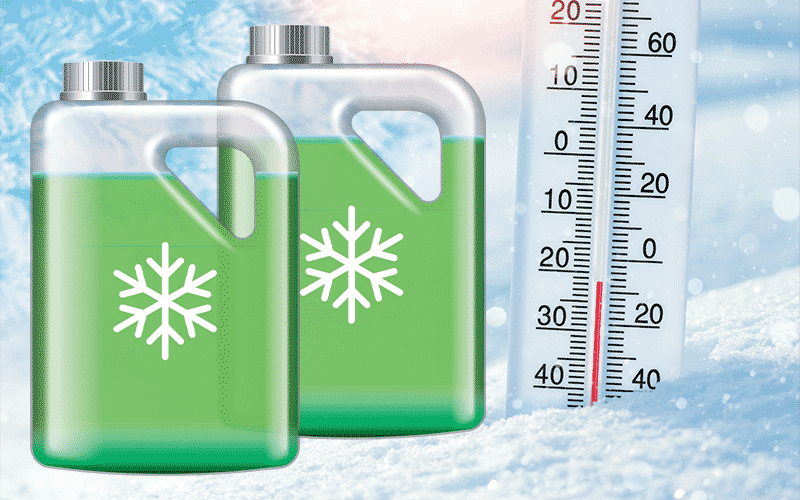
Antifreeze is a liquid used to lower the freezing point of water. It helps prevent freezing in cold temperatures. Antifreeze also raises the boiling point of liquids.
This chemical protects engines and systems from damage caused by extreme temperatures. It keeps fluids flowing smoothly by stopping ice or steam from forming.
Types Of Antifreeze
There are several types of antifreeze made for different uses. The main types include ethylene glycol, propylene glycol, and organic acid technology (OAT).
- Ethylene glycol is common in vehicles but is toxic.
- Propylene glycol is safer and often used in food-related systems.
- OAT antifreeze lasts longer and protects against corrosion.
Common Uses
Antifreeze is mainly used in car engines and heating systems. It stops water from freezing and overheating in pipes and radiators.
Some people ask if antifreeze helps air conditioners. It is not usually needed in AC systems. Air conditioners use refrigerants, not antifreeze, to cool air.
Antifreeze And Ac Systems
Antifreeze is commonly used in car engines to prevent freezing and overheating. Some people wonder if it helps air conditioners work better. This article looks at how antifreeze relates to AC systems.
Understanding the role of antifreeze in AC systems can help you avoid damage and improve performance. Let’s explore its compatibility and effects on cooling.
Compatibility With Ac Components
Antifreeze is not designed for standard air conditioner parts. Most AC systems use refrigerants and special oils. Adding antifreeze can harm these parts.
- Antifreeze can damage rubber seals in the AC unit.
- It may clog small tubes and filters.
- It does not mix well with refrigerants like R-410A or R-22.
- Using antifreeze can void the AC warranty.
- It may cause corrosion inside metal components.
Effects On Cooling Efficiency
Adding antifreeze to an AC system can lower its cooling power. The mixture changes how heat transfers inside the system.
| Effect | Impact on Cooling |
| Viscosity Increase | Slows refrigerant flow, lowers cooling speed |
| Reduced Heat Transfer | Less efficient heat removal from air |
| Possible Blockages | Can cause system to work harder or break down |
| Increased Energy Use | Higher electricity bills due to strain |
Credit: cooneyengineeredsolutions.com
When Antifreeze Is Used In Acs
Antifreeze is usually used in air conditioning systems to prevent freezing. It helps keep the liquid inside the system from freezing in cold weather.
Not all air conditioners need antifreeze. It depends on the type of system and the environment where it works.
Specialized Applications
Antifreeze is common in special AC setups like chillers and hydronic cooling. These systems use water or water-based liquids to move cool air.
In these systems, antifreeze stops water from freezing inside pipes and equipment. It keeps the system running smoothly in cold spots.
Climate Considerations
In colder climates, antifreeze is very important for air conditioners. It protects the system during winter and cold nights.
In warm climates, antifreeze is often not needed. The risk of freezing is low, so the system uses plain water or refrigerant instead.
Potential Risks Of Using Antifreeze
Antifreeze is not made for air conditioners. Using it can cause problems. It might seem helpful, but risks exist.
It is important to know what can go wrong before adding antifreeze to your AC system.
System Damage
Antifreeze can harm the AC system parts. It may clog pipes and valves. This stops the system from working well.
The chemicals in antifreeze can eat away at metal parts. This causes leaks and breaks inside the system.
- Clogs reduce airflow and cooling power
- Corrosion damages metal pipes and coils
- Seal damage leads to refrigerant leaks
- System may stop working fully
Health And Safety Concerns
Antifreeze contains toxic chemicals. These can be harmful to people and pets. Touching or breathing antifreeze fumes is dangerous.
Spills inside the home can cause poisoning and skin burns. Improper use can lead to serious health risks.
- Antifreeze is poisonous if swallowed
- Skin contact can cause irritation or burns
- Fumes may cause headaches or dizziness
- Pets are at high risk from spills

Credit: www.familyhandyman.com
Alternatives To Antifreeze For Efficiency
Antifreeze is often used in air conditioner systems to prevent freezing. Some alternatives can improve system efficiency without using antifreeze.
This article explores other ways to keep your air conditioner running well and save energy.
Regular Maintenance
Keeping your air conditioner clean and checked regularly helps it work better. Dirt and dust can block airflow and cause freezing.
- Clean or replace air filters every month.
- Inspect and clean evaporator and condenser coils.
- Check refrigerant levels for proper cooling.
- Ensure drainage is clear to avoid water buildup.
- Schedule professional tune-ups annually.
Energy-saving Technologies
New technologies can help air conditioners work efficiently without antifreeze. These options reduce energy use and protect your system.
| Technology | Benefit | How It Helps |
| Variable Speed Compressors | Energy saving | Adjusts cooling power to match needs |
| Smart Thermostats | Temperature control | Optimizes cooling times and reduces waste |
| Improved Insulation | Less heat gain | Keeps indoor temperature stable |
| Eco-Friendly Refrigerants | Lower environmental impact | Works efficiently without freezing risk |
Credit: www.liqui-moly.com
Frequently Asked Questions
Does Antifreeze Improve Air Conditioner Performance?
No, antifreeze does not improve air conditioner efficiency. Air conditioners use refrigerants, not antifreeze, to cool air. Using antifreeze can damage the system and reduce cooling capacity. Always use the recommended refrigerants specified by the manufacturer for optimal performance.
Can Antifreeze Prevent Air Conditioner Freezing?
Antifreeze is not designed to prevent air conditioner freezing. Freezing issues are usually caused by airflow problems or low refrigerant levels. Proper maintenance and refrigerant checks are the best solutions to avoid freezing in air conditioning units.
Is Antifreeze Safe For Air Conditioner Systems?
Antifreeze is generally unsafe for standard air conditioner systems. It can cause blockages, corrosion, and damage internal parts. Only specific HVAC units designed for glycol-based coolants can use antifreeze safely. Always follow manufacturer guidelines to avoid costly repairs.
Why Do Some Hvac Systems Use Antifreeze?
Some HVAC systems, like hydronic or geothermal, use antifreeze to prevent freezing in pipes. This antifreeze is different from automotive types and is safe for those systems. It helps maintain fluid flow and protects components in cold environments.
Conclusion
Antifreeze does not help your air conditioner work better. It is made for car engines, not cooling systems. Using antifreeze in an AC can cause damage. Your air conditioner needs the right refrigerant and regular care. Keep the system clean and check it yearly.
Simple maintenance keeps your AC running cool and safe. Avoid shortcuts that might cost more later. Stay informed to protect your home comfort.