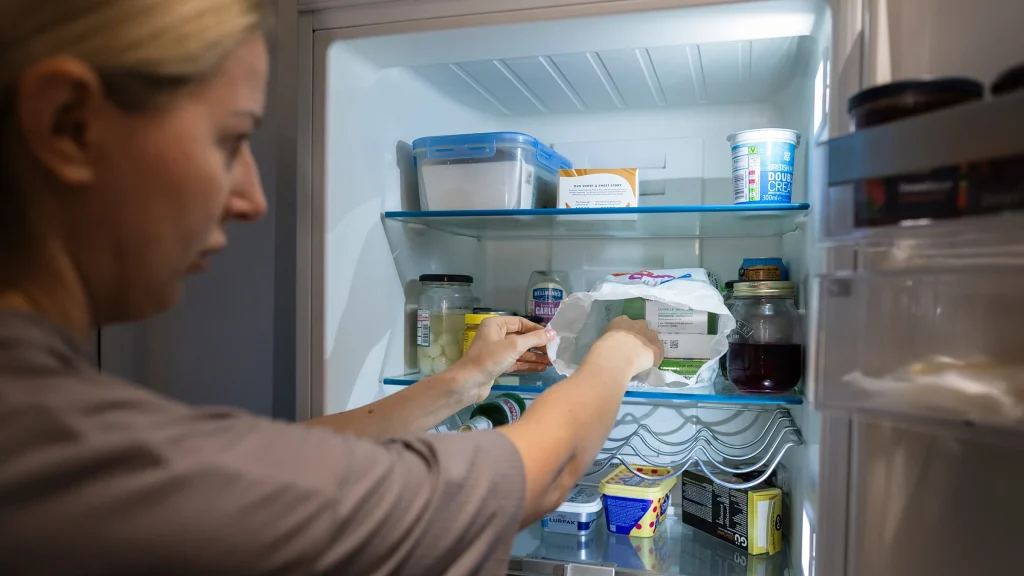
Have you ever stood in your kitchen, Augmentin in hand, wondering if it needs to be tucked away in your fridge? You’re not alone.
Many people are unsure about the proper storage of this common antibiotic. Storing your medication correctly is crucial for its effectiveness and your health. Imagine taking medicine that doesn’t work because it wasn’t stored properly—what a waste! But don’t worry, we’re here to clear up any confusion.
By the end of this article, you’ll know exactly what to do with your Augmentin. So, let’s dive in and get the facts straight!

Credit: vidafarmacias.com
Why Storage Matters
Proper storage of Augmentin is essential for its performance and safety. Medicines like Augmentin can lose strength or become unsafe if stored incorrectly. Knowing why storage matters helps protect your health and ensures the medication works as expected.
Impact On Effectiveness
Augmentin contains active ingredients that are sensitive to temperature. Storing it too warm or too cold can break down these ingredients. This breakdown reduces the drug’s ability to fight infections. The medicine may become less powerful or even useless. Following storage guidelines keeps Augmentin effective throughout the treatment.
Safety Concerns
Improper storage can cause chemical changes in Augmentin. These changes may lead to harmful side effects or allergic reactions. The medicine might develop an unusual smell, color, or texture. Using such medicine can be risky. Safe storage helps avoid spoilage and protects your health during use.

Credit: www.goodrx.com
Augmentin Forms And Storage
Augmentin comes in different forms, and each type requires specific storage to keep it effective. Knowing how to store your medication properly can prevent it from losing its strength or becoming unsafe. Let’s look at how to handle the two main forms of Augmentin: tablets and liquid suspension.
Tablet Storage
Augmentin tablets are quite straightforward to store. You should keep them at room temperature, ideally between 20°C to 25°C (68°F to 77°F). Avoid storing tablets in places that are too humid or hot, such as bathrooms or near kitchen sinks.
Keep the tablets in their original container with the lid tightly closed. This protects them from moisture and air, which can degrade the medicine. Have you noticed the little desiccant packets in medicine bottles? They help absorb moisture and keep the tablets dry.
Liquid Suspension Storage
The liquid form of Augmentin is a bit more sensitive. After you have mixed the powder with water, the suspension usually needs refrigeration to stay fresh and effective. Most Augmentin suspensions should be kept between 2°C to 8°C (36°F to 46°F).
If you don’t refrigerate the liquid, it may spoil quickly or lose potency. I once forgot to refrigerate my child’s antibiotic suspension, and it developed a strange smell within a day. It’s best to follow the label instructions carefully and always shake the bottle well before each dose.
Do you keep track of the expiration after mixing the suspension? Usually, it lasts around 7 to 10 days in the fridge. Marking the date on the bottle can help you avoid using expired medication.
Refrigeration Requirements
Understanding the refrigeration requirements for Augmentin is crucial to ensure the medication stays effective. Improper storage can reduce its potency and potentially affect your treatment outcome. Let’s look at when keeping Augmentin in the fridge is necessary and when room temperature is just fine.
When Refrigeration Is Needed
Some forms of Augmentin, especially the liquid suspension, need refrigeration after you prepare them. This is because the liquid can degrade quickly at higher temperatures, losing its strength.
If you buy Augmentin powder to mix into a liquid, you should store the reconstituted medicine in the refrigerator. Typically, it stays good for about 7 to 10 days when kept cold.
Have you ever noticed the label on your medicine bottle? It usually says “Keep refrigerated” if cooling is necessary. Ignoring this can cause the medicine to spoil, which may lead to less effective treatment or even side effects.
When Room Temperature Is Sufficient
Not all Augmentin forms require refrigeration. Tablets and capsules, for example, are stable at room temperature.
Even some liquid forms come pre-mixed and can be stored safely without refrigeration—check the packaging carefully. If it says “store at room temperature,” keep it away from heat and moisture, ideally below 25°C (77°F).
Have you ever wondered why some medicines need to be chilled while others don’t? It often depends on the formulation and how stable the ingredients are over time.
Proper Storage Tips
Proper storage of Augmentin is essential to maintain its effectiveness and ensure your treatment works as intended. Storing it incorrectly can cause the medication to lose potency or even become unsafe. Let’s look at key tips to keep your medication in the best condition.
Ideal Temperature Range
Augmentin liquid typically needs refrigeration between 2°C to 8°C (36°F to 46°F). This cool range helps preserve the medicine’s strength and prevents bacterial growth.
Storing it outside this range can cause the medicine to break down. If you’ve left it out at room temperature for a few hours, check the label or ask your pharmacist if it’s still safe to use.
Solid forms like tablets usually don’t need refrigeration but should be kept in a cool, dry place away from direct sunlight.
Avoiding Common Mistakes
- Don’t freeze Augmentin.Freezing can alter its chemical structure and make it ineffective.
- Avoid storing near heat sources.Don’t keep it near stoves, heaters, or in a car where temperatures can spike.
- Keep it sealed tightly.Exposure to air and moisture can spoil the medicine quickly.
- Use the medication within the prescribed time.Once reconstituted, Augmentin liquid usually has a short shelf life—often 7 to 10 days.
Have you ever accidentally left medicine out overnight? It’s tempting to think it’s still fine, but these small mistakes can affect your recovery. Paying attention to storage details helps you get the full benefit of your prescription.
Shelf Life And Expiry
The shelf life and expiry of Augmentin depend on proper storage conditions. Keeping the medication safe ensures it works effectively. Knowing when Augmentin expires helps prevent using a weakened or unsafe product.
Effect Of Storage On Shelf Life
Augmentin should be stored as directed on the label. Usually, the powder for suspension needs refrigeration after mixing. Storing it at room temperature can shorten its shelf life. The tablets usually do not require refrigeration.
Improper storage can cause the medication to lose strength. Heat, moisture, and light can break down the active ingredients. This makes the medicine less effective or unsafe to use. Always keep Augmentin in a cool, dry place unless otherwise instructed.
Signs Of Spoiled Augmentin
Check Augmentin before use. Look for changes in color, smell, or texture. The suspension may become cloudy or develop lumps. Tablets might appear discolored or crumble easily.
Any unusual odor is a sign the medicine may be spoiled. Using expired or spoiled Augmentin can cause health risks. Dispose of any medicine that shows these signs or is past the expiry date.

Credit: vidafarmacias.com
Travel And Storage
Traveling with medications like Augmentin requires attention to storage conditions. Proper storage keeps the medicine effective and safe. It is important to know how to maintain the stability of Augmentin while on the move. Understanding packaging tips also helps protect the medication during travel.
Maintaining Stability On The Go
Augmentin does not always need refrigeration, but temperature control matters. Keep the medication away from heat, direct sunlight, and moisture. Store it in a cool, dry place between 20°C and 25°C (68°F to 77°F). Avoid freezing the medicine. If you carry Augmentin suspension, use it within 7 to 10 days after opening.
During travel, use insulated bags or coolers with ice packs if refrigeration is recommended. Check the medication label or ask your pharmacist about storage needs. Always avoid leaving Augmentin in hot cars or exposed to extreme temperatures.
Packaging Recommendations
Use the original packaging to protect Augmentin from light and moisture. Keep the bottle tightly closed to prevent contamination. For liquid forms, carry a measuring spoon or syringe for accurate dosing.
Label the medication clearly with your name and instructions. Place the medicine in a secure, easy-to-access part of your luggage. Avoid storing Augmentin with items that might cause damage or spills.
Frequently Asked Questions
Does Augmentin Need Refrigeration After Opening?
Augmentin suspension should be refrigerated after opening to maintain its effectiveness. Keep it between 2°C and 8°C (36°F and 46°F). Avoid freezing it, as this can reduce its potency and safety.
Can Augmentin Tablets Be Stored At Room Temperature?
Yes, Augmentin tablets do not require refrigeration. Store them at room temperature, away from moisture, heat, and direct sunlight to preserve their quality.
How Long Can Augmentin Stay Unrefrigerated?
Augmentin suspension can stay unrefrigerated for up to 14 days if necessary. However, refrigeration is recommended to maintain its full potency during this period.
What Happens If Augmentin Suspension Is Not Refrigerated?
Not refrigerating Augmentin suspension may reduce its effectiveness. The medicine can degrade faster, leading to less reliable treatment outcomes and potential bacterial resistance.
Conclusion
Augmentin usually needs refrigeration to stay effective. Keep it cold but not frozen. Check the label for exact storage instructions. Using it properly helps the medicine work well. Avoid leaving it in hot places. Always follow your pharmacist’s advice on storage.
Proper care protects your health and speeds recovery. Simple steps make a big difference with this medicine.