Are you wondering whether bacteriostatic water needs to be stored in the fridge? You’re not alone.
This is a common question that can impact how you store and use this essential solution. You might be concerned about maintaining its effectiveness or simply curious about best practices. Understanding the right storage methods can save you time, money, and potential headaches.
We’ll uncover the truth about bacteriostatic water storage, ensuring you make informed decisions. Keep reading to discover everything you need to know to keep your bacteriostatic water at its best.
Credit: syringesneedlesdepot.com
What Is Bacteriostatic Water
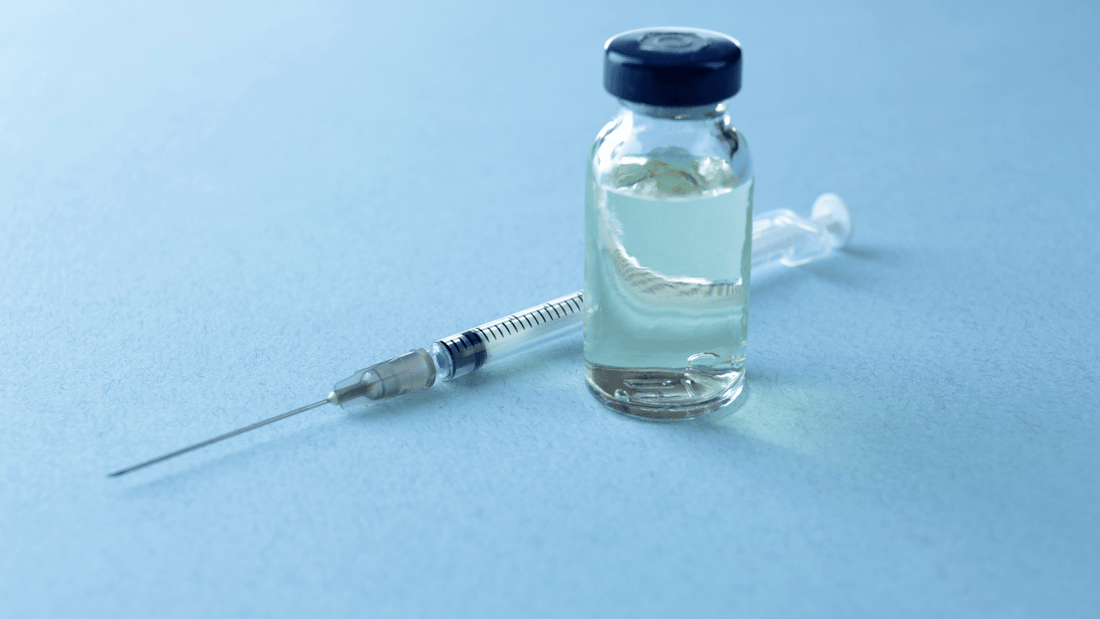
Bacteriostatic water is a special type of sterile water. It contains a small amount of preservative. This helps stop bacteria from growing in the water. It is often used to dilute or dissolve medications before injection.
Bacteriostatic water is different from regular sterile water. The preservative gives it a longer shelf life after opening. It ensures the water stays safe to use over time.
Purpose Of Bacteriostatic Water
Bacteriostatic water is mainly used in medical settings. It helps prepare medicines that must be injected. The water makes sure the medicine is clean and safe.
It allows multiple doses from the same vial. The preservative stops germs from contaminating the solution.
Composition Of Bacteriostatic Water
- Sterile water as the base
- Preservative, usually benzyl alcohol at 0.9%
- No added nutrients or minerals
The small amount of benzyl alcohol is safe for most patients. It prevents bacteria growth but does not affect the medicine.
Common Uses
- Diluting injectable medications
- Reconstituting powders for injections
- Flushing intravenous lines
Bacteriostatic water is not for drinking or general use. It is intended only for medical and laboratory purposes.
Storage Requirements
Proper storage of bacteriostatic water is essential to maintain its quality and safety. This water contains a small amount of preservative that prevents bacterial growth. Understanding how to store it ensures it stays effective for its intended use.
Storing bacteriostatic water correctly helps avoid contamination and preserves its sterility. It also protects the water from damage caused by environmental factors such as heat and light. Knowing the right conditions can extend the product’s shelf life.
Temperature Guidelines For Bacteriostatic Water
Bacteriostatic water usually does not require refrigeration. Room temperature storage, between 20°C to 25°C (68°F to 77°F), is generally acceptable. Avoid exposing the water to extreme heat or freezing temperatures.
Storing it in a cool, dry place away from direct sunlight is best. Refrigeration is optional but can help maintain its quality for longer periods. Always check the product label for specific temperature instructions.
Sealing And Container Handling
Keep the bottle tightly sealed when not in use. This prevents air and bacteria from entering the container. Use sterile techniques when drawing water to avoid contamination.
Never reuse or share opened vials. Dispose of any remaining water after the recommended usage period. Proper handling reduces the risk of infection and maintains product safety.
Signs Of Improper Storage
Cloudiness or particles in the water indicate contamination. Changes in color or smell also suggest the water is no longer safe. If these signs appear, discard the product immediately.
Check expiration dates regularly and do not use expired water. Proper storage minimizes these risks and keeps the water safe for injections or medical use.
Refrigeration Benefits
Keeping bacteriostatic water refrigerated offers several clear benefits, especially if you want to maintain its quality and effectiveness over time. Proper storage can prevent contamination and extend the shelf life of this important solution. If you’ve ever wondered whether refrigeration truly makes a difference, the following points will provide clarity.
Preserves Antimicrobial Properties
Bacteriostatic water contains a small amount of benzyl alcohol to inhibit bacterial growth. Storing it in the fridge helps this component work more effectively by slowing down microbial activity. This means your water stays safer to use for longer periods, reducing the risk of infections.
Extends Shelf Life
Temperature plays a crucial role in how long bacteriostatic water remains usable. Refrigeration slows down chemical reactions that could degrade the solution. This simple step can keep your vial usable for weeks or even months beyond room temperature storage.
Reduces Risk Of Contamination
Every time you open the vial, you risk introducing contaminants. Keeping the water cold helps limit bacterial growth if any contaminants do enter. This extra layer of protection is especially important if you use the water for multiple injections or medical purposes.
Maintains Solution Clarity
Cold storage helps prevent cloudiness or precipitation in the water. Clear solution means it’s still safe and effective to use. Have you noticed changes in clarity when storing solutions at room temperature? Refrigeration can help avoid this problem entirely.
Practical Tips For Refrigeration
- Store the vial upright to reduce contamination risk.
- Keep the lid tightly sealed after each use.
- Label the vial with the date you opened it to track freshness.
Risks Of Improper Storage
Improper storage of bacteriostatic water can lead to several risks. These risks affect the water’s safety and effectiveness. Using water that is not stored correctly may cause contamination and health problems.
Bacteriostatic water contains a preservative to stop bacteria growth. Despite this, it still requires proper storage to maintain its quality. Incorrect conditions can reduce its ability to prevent bacteria growth and cause the water to spoil.
Contamination Risk
Storing bacteriostatic water in warm or unclean places increases contamination risk. Bacteria and fungi may grow if the preservative fails. Contaminated water can cause infections when injected or used medically.
Loss Of Sterility
Exposure to air or improper sealing leads to loss of sterility. Once the water loses sterility, it becomes unsafe to use. This can result in serious health issues for users.
Reduced Effectiveness
Improper storage can reduce the preservative’s ability to stop bacteria. This means the water no longer prevents bacterial growth effectively. Using less effective water raises the chance of infection.
Shortened Shelf Life
Not storing bacteriostatic water in recommended conditions shortens its shelf life. The water might expire faster and become unusable. Always follow storage guidelines to keep it safe longer.
Shelf Life And Expiration
Bacteriostatic water is a sterile water with a small amount of preservative. It is used to dilute or dissolve medications for injection. Understanding its shelf life and expiration is important to ensure safety and effectiveness.
The shelf life depends on storage conditions and whether the vial is opened or not. Proper handling extends its usability and prevents contamination. Always check the expiration date on the packaging before use.
Shelf Life Of Unopened Bacteriostatic Water
Unopened vials usually last about 2 to 3 years. The preservative helps maintain sterility for this period. Store the vial in a cool, dry place away from direct sunlight. Avoid extreme temperatures to keep it stable.
After Opening: How Long Does It Last?
Once opened, bacteriostatic water must be used within 28 days. This limit prevents bacterial growth despite the preservative. Keep the vial tightly closed and use a clean needle each time. Refrigeration can help but is not always required.
Signs Of Expired Or Contaminated Bacteriostatic Water
- Cloudy or discolored liquid
- Particles or sediment inside the vial
- Unusual odor or smell
- Damaged or broken seal
Do not use the water if any of these signs appear. Expired or contaminated water can cause infections or reduce medication effectiveness.

Credit: www.amazon.co.uk
Handling And Usage Tips
Proper handling and usage of bacteriostatic water ensures its safety and effectiveness. Follow simple tips to keep it uncontaminated and usable for longer periods. Careful practices prevent infections and maintain the water’s quality.
Store In A Cool, Dry Place
Keep bacteriostatic water away from heat and direct sunlight. A cool, dry environment slows down any bacterial growth. Avoid storing it in places like bathrooms or near kitchen sinks where moisture is high.
Use Sterile Equipment
Always use clean, sterile syringes and needles when drawing water from the vial. This practice avoids introducing germs. Never touch the rubber stopper with your fingers or any non-sterile surface.
Check Expiry Date Before Use
Look at the bottle’s expiration date before using the water. Expired bacteriostatic water may not be safe or effective. Discard any vial that is past its expiry or shows signs of contamination.
Do Not Reuse Opened Vials Indiscriminately
Once opened, use the vial within 28 days as recommended. Keep the cap on tightly after each use to avoid contamination. Avoid sharing vials between different people to prevent cross-infection.
Inspect The Water Before Use
Check the water for any cloudiness, particles, or discoloration. Clear and colorless water indicates good quality. If the water looks unusual, do not use it and dispose of it safely.
Common Myths About Storage
Many people have wrong ideas about how to store bacteriostatic water. These myths cause confusion about whether it needs refrigeration or not. Clearing up these myths helps keep the water safe and effective.
Refrigeration Is Always Required
One common myth says bacteriostatic water must always be kept in the fridge. This is not true. Unopened bottles can stay at room temperature. Storing them between 20°C and 25°C (68°F to 77°F) is usually safe.
Once Opened, It Must Be Refrigerated
Some believe opened bacteriostatic water must be refrigerated immediately. While refrigeration can slow contamination, it is not strictly necessary if used quickly. Always follow the product’s expiration and usage guidelines.
Bacteriostatic Water Has A Short Shelf Life
Another myth says bacteriostatic water expires quickly after opening. Actually, it contains preservatives to extend its usability. Proper handling and storage keep it effective for weeks after opening.
Exposure To Light Destroys Bacteriostatic Water
Many think light damages bacteriostatic water. The liquid is stable under normal lighting. Store in a cool, dry place away from direct sunlight for best results.
Storing In Plastic Containers Changes Its Quality
Some worry that plastic containers harm bacteriostatic water. Most products come in sterile, medical-grade plastic. This packaging keeps the water safe and uncontaminated.

Credit: www.reddit.com
Frequently Asked Questions
Does Bacteriostatic Water Require Refrigeration?
Bacteriostatic water should be stored in a cool, dry place. Refrigeration is not mandatory but can extend its shelf life. Avoid freezing it, as extreme cold may affect its sterility and effectiveness.
How Long Can Bacteriostatic Water Be Stored Unrefrigerated?
Unopened bacteriostatic water can last up to two years at room temperature. Once opened, use it within 28 days to maintain sterility. Always check the product label for specific storage guidelines.
Can Bacteriostatic Water Spoil Without Refrigeration?
Bacteriostatic water contains preservatives to prevent bacterial growth. It generally does not spoil quickly without refrigeration. However, improper storage or contamination after opening can reduce its safety and effectiveness.
Is It Safe To Use Room Temperature Bacteriostatic Water?
Yes, using bacteriostatic water at room temperature is safe if stored correctly. Ensure the vial is sealed and not expired. Avoid using if the water appears cloudy or discolored.
Conclusion
Bacteriostatic water usually does not need refrigeration. Keeping it at room temperature helps maintain its quality. Avoid exposing it to direct sunlight or heat. Always check the label for specific storage instructions. Using clean hands and tools prevents contamination. Proper storage keeps the water safe and effective.
Remember, following these tips ensures the water stays good for your needs. Simple care makes a big difference in safety and use.