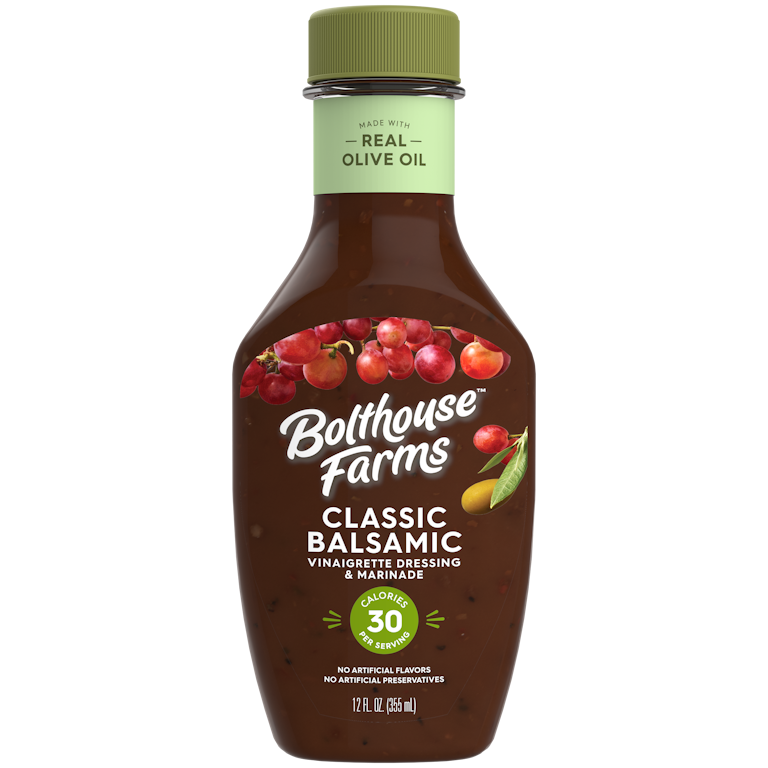
Have you ever found yourself standing in your kitchen, bottle of balsamic vinegar in hand, pondering whether it needs to be refrigerated? You’re not alone.
Many of us enjoy the rich, tangy flavor of balsamic vinegar in our salads, marinades, and even desserts, but storing it correctly can be a bit confusing. You want to keep it fresh, right? But does it really need to take up precious fridge space?
Or can it sit comfortably in your pantry without spoiling? Understanding the proper storage method is crucial for maintaining its quality and taste. Read on to discover the best way to store balsamic vinegar, and ensure you’re getting the most out of every drop.
Shelf Life Of Balsamic Vinegar
Balsamic vinegar is a popular condiment with a rich, tangy flavor. Understanding its shelf life helps keep it fresh and tasty. Proper storage plays a key role in maintaining its quality over time. Knowing how long balsamic vinegar lasts without refrigeration prevents waste and disappointment.
Typical Duration Without Refrigeration
Balsamic vinegar has a long shelf life even without refrigeration. It can last for 3 to 5 years when stored in a cool, dark place. The natural acidity helps prevent spoilage. Keep it sealed tightly after each use. Avoid direct sunlight and heat sources. These factors can reduce its quality faster.
Signs Of Spoilage
Look for changes in color and smell as signs of spoilage. Cloudiness or sediment may appear, but this is usually harmless. A sour or off smell indicates it is no longer good. Mold growth on the surface means it should be discarded. If the taste becomes bitter or strange, it is time to replace it.

Credit: www.numberanalytics.com
Storage Conditions To Consider
Proper storage of balsamic vinegar keeps its flavor and quality intact. Different conditions affect how long it stays fresh and tasty. Consider temperature, light, and the type of container for best results.
Temperature Impact
Balsamic vinegar does not require refrigeration. Store it at room temperature, ideally between 60-80°F (15-27°C). Avoid places that get too hot or cold. Extreme heat can change the flavor. Cold temperatures may cause cloudiness but won’t harm it.
Light Exposure
Light can break down balsamic vinegar’s quality over time. Keep it away from direct sunlight and bright kitchen lights. A dark cupboard or pantry is the best place. This helps preserve the rich color and aroma.
Container Types
Glass bottles are ideal for storing balsamic vinegar. They prevent air and moisture from affecting the vinegar. Avoid plastic containers as they might absorb the vinegar’s flavor. Ensure the bottle has a tight seal to keep it fresh longer.
Refrigeration Benefits And Drawbacks
Refrigerating balsamic vinegar has both benefits and drawbacks. Knowing these can help keep your vinegar fresh and tasty. Understanding how cold storage affects vinegar is important for best results.
Preserving Flavor And Quality
Cold temperatures can slow down the aging process of balsamic vinegar. This helps keep its rich flavor stable over time. Refrigeration may prevent vinegar from losing its sharp, sweet taste.
Keeping vinegar in the fridge can also stop mold or bacteria growth. This ensures the product stays safe to use for longer. Vinegar’s natural acidity usually protects it, but extra cold storage adds security.
Potential Changes In Texture
Chilling balsamic vinegar can cause it to thicken or become syrupy. This change in texture might make pouring or mixing harder. Some users find the vinegar less smooth after refrigeration.
Condensation inside the bottle may also affect vinegar clarity. Small particles or cloudiness can appear but do not harm quality. Allowing vinegar to warm slightly before use can restore its original texture.
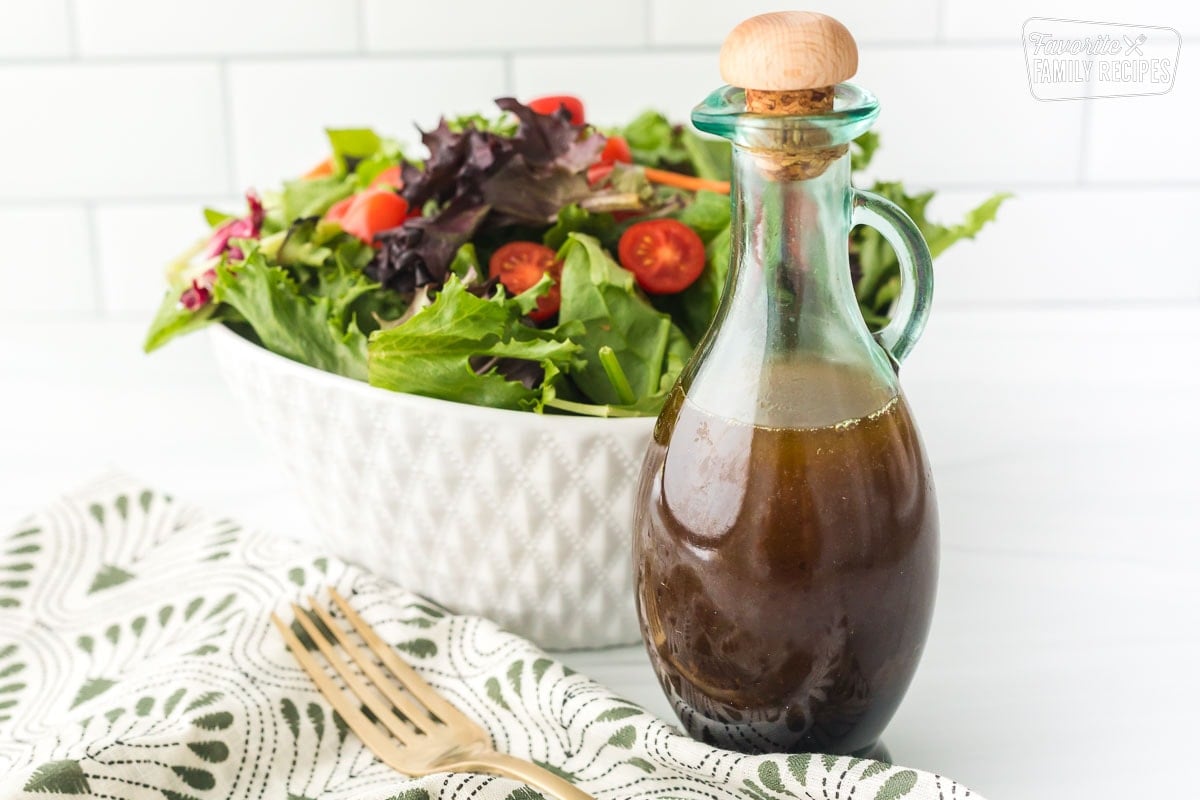
Credit: www.favfamilyrecipes.com
Expert Recommendations
Experts offer clear advice on storing balsamic vinegar to keep it fresh and flavorful. Understanding their tips helps maintain quality and taste over time. Proper storage can extend the life of your vinegar and prevent spoilage.
When To Refrigerate
Balsamic vinegar usually does not need refrigeration. Its acidity prevents harmful bacteria growth at room temperature. However, refrigeration is recommended for homemade or flavored balsamic vinegars. These types may contain ingredients that spoil faster. If your vinegar develops off smells or unusual textures, refrigerate it to slow down spoilage.
Ideal Storage Practices
- Store in a cool, dark place away from sunlight.
- Keep the bottle tightly sealed to prevent air exposure.
- Use glass containers rather than plastic for better preservation.
- Avoid storing near heat sources like stoves or ovens.
- Check vinegar regularly for changes in color or smell.
Following these practices ensures your balsamic vinegar stays fresh longer. It keeps the rich, complex flavors intact for your recipes.
Using Balsamic Vinegar After Storage
After storing your balsamic vinegar, knowing how to use it effectively ensures you get the best flavor and safety. Storage can affect its quality, so checking its freshness and using some simple tips can make a big difference. Let’s look at how you can tell if your balsamic vinegar is still good and how to enjoy its best taste after storage.
Checking For Freshness
Before using your balsamic vinegar, take a close look at it. Does it have any unusual cloudiness or sediment that doesn’t dissolve with gentle shaking? If you see thick layers or mold forming, it’s best to discard it.
Smell is another quick test. Fresh balsamic vinegar has a rich, slightly sweet aroma. If you detect a sour, off, or sharp vinegar smell, it might be past its prime. Trust your senses—they are your best guide to freshness.
Tips For Best Taste
To get the most flavor out of your balsamic vinegar after storage, keep it in a cool, dark place, away from direct sunlight. Even if refrigeration isn’t necessary, avoiding heat helps maintain its smooth taste.
- Shake the bottle gently before use to mix any settled components.
- Use it within a year for optimal flavor, especially if it’s a commercial product.
- Try warming it slightly by letting it sit at room temperature before adding to dishes; this can enhance its aroma.
Have you ever noticed how a splash of balsamic vinegar can transform a simple salad or grilled vegetable? Using it right after storage keeps that magic alive. What new dishes will you try with your perfectly preserved balsamic vinegar?

Credit: www.markys.com
Frequently Asked Questions
Does Balsamic Vinegar Spoil Without Refrigeration?
Balsamic vinegar rarely spoils due to its acidity. It can last years without refrigeration when stored in a cool, dark place.
How Should I Store Balsamic Vinegar At Home?
Store balsamic vinegar in a sealed bottle, away from direct sunlight and heat. Room temperature is ideal for maintaining flavor.
Will Refrigeration Change Balsamic Vinegar’s Taste?
Refrigeration can slightly thicken balsamic vinegar but doesn’t significantly alter its taste or quality. It’s safe either way.
Can Balsamic Vinegar Ferment If Not Refrigerated?
Balsamic vinegar’s high acidity prevents fermentation at room temperature. Proper storage keeps it stable and safe without refrigeration.
Conclusion
Balsamic vinegar stays fresh longer without refrigeration. Keep it in a cool, dark place instead. Seal the bottle tightly after each use. This prevents air from spoiling the vinegar’s taste. Refrigeration is not needed for most balsamic vinegars. You can enjoy its rich flavor anytime.
Just store it properly to keep quality high. Simple care helps your vinegar last for years. So, no fridge needed—just good storage habits.