If you own a bamboo cutting board, you might wonder how to keep it in the best shape. You may ask yourself, “Does my bamboo cutting board need oil?”
The answer can make a big difference in how long your board lasts and how well it works in your kitchen. Taking care of your cutting board the right way helps prevent cracks, warping, and bacteria buildup. You’ll discover why oiling matters, how to do it, and simple tips to keep your bamboo board looking and performing great for years.
Keep reading to unlock the secret to a stronger, cleaner cutting board that feels just right every time you use it.
Why Oil Bamboo Boards
Bamboo cutting boards need oil to stay strong and last longer. Oil helps keep the board safe from damage and wear.
Oiling bamboo boards is easy and helps keep them clean and good-looking. It also stops the wood from drying out.
Protecting Against Cracks
Bamboo can dry out and crack without oil. Oil keeps the wood moist and less likely to split.
Regular oiling creates a barrier that stops the board from losing water. This prevents cracks from forming over time.
Maintaining Appearance
Oiling bamboo boards helps keep their natural color rich and bright. It stops the board from looking dull or faded.
The oil adds a slight shine that makes the board look clean and fresh. This keeps your kitchen looking nice.
Preventing Absorption
Bamboo is porous and can soak up water and smells. Oil seals the surface and blocks these from entering.
This helps keep the board hygienic and stops it from absorbing food stains or odors.
Types Of Oils To Use
Oiling your bamboo cutting board keeps it strong and clean. Choosing the right oil is key for safety and care.
Some oils protect wood well. Others can cause damage or spoil food. Learn which oils work best.
Food-safe Mineral Oil
Food-safe mineral oil is clear and odorless. It seals the board and stops water from soaking in. This oil does not spoil or go rancid.
- Easy to find in stores
- Safe for food contact
- Does not change the board’s color
- Needs regular reapplication
Natural Oils To Avoid
Some natural oils can harm your board. They may turn sticky or smell bad after time. Avoid these oils:
- Vegetable oils like olive or sunflower oil
- Nut oils such as walnut or almond oil
- Animal fats or cooking oils
These oils can go rancid and attract bacteria. They may also leave your board sticky or cracked.
Conditioning Blends
Some blends mix mineral oil with waxes or natural oils. These blends protect better and add shine.
| Type | Ingredients | Benefits |
| Mineral Oil + Beeswax | Mineral oil, beeswax | Water resistant, smooth finish |
| Mineral Oil + Carnauba Wax | Mineral oil, carnauba wax | Hard finish, long-lasting |
| Mineral Oil + Shea Butter | Mineral oil, shea butter | Soft feel, nourishes wood |
How Often To Oil
Oiling a bamboo cutting board keeps it in good shape. It stops cracks and stains. But how often should you oil it?
Many factors decide the oiling frequency. Use and cleaning methods change how the board feels and looks.
Signs Your Board Needs Oil
Check your board regularly. Certain signs mean it needs oil to stay healthy and strong.
- The board looks dry or dull.
- Small cracks or splits appear on the surface.
- Water soaks in fast and leaves dark spots.
- The board feels rough when you touch it.
- Food sticks more than usual to the surface.
Seasonal Oiling Tips
Season changes affect your bamboo board. Dry air in winter may need more oiling. Summer heat can dry it out faster.
| Season | Oiling Frequency |
| Spring | Once every 3-4 weeks |
| Summer | Every 2-3 weeks |
| Fall | Once every 3-4 weeks |
| Winter | Every 2 weeks or as needed |

Credit: www.amazon.com
Oiling Process Step-by-step
Oiling a bamboo cutting board helps keep it strong and lasts longer. This process stops the board from drying out and cracking. Follow these simple steps to oil your bamboo cutting board correctly.
Each step is important for the best results. Take your time and care for your board to keep it in good shape.
Cleaning Before Oiling
Start by cleaning your bamboo board well. Remove all food bits and dirt. Use warm water and mild soap for washing. Rinse the board completely to remove soap.
- Wash with warm water and mild soap
- Use a soft sponge or cloth
- Rinse thoroughly to remove soap
- Dry the board with a clean towel
- Let it air dry completely before oiling
Applying The Oil
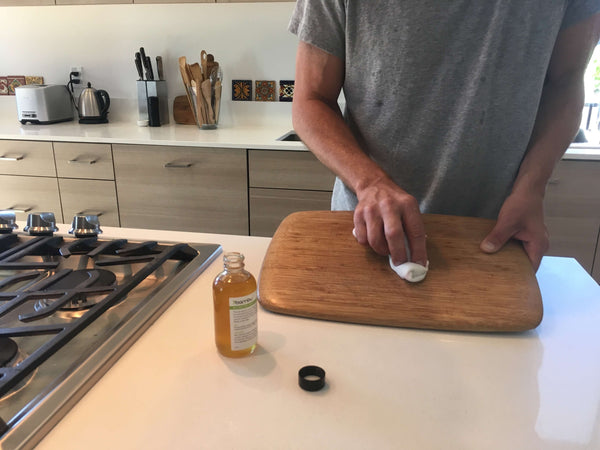
Choose a food-safe oil made for cutting boards. Apply the oil evenly on the surface. Use a soft cloth or paper towel to spread the oil. Cover all sides and edges for full protection.
| Oil Type | Benefits |
|---|---|
| Mineral Oil | Non-toxic, easy to find |
| Coconut Oil | Natural, resists bacteria |
| Beeswax Blend | Adds extra water resistance |
Letting It Absorb
After applying oil, let the board rest. This allows the oil to soak deep into the bamboo. Keep the board flat in a warm place. Wait at least a few hours or overnight for best absorption.
Wiping Off Excess
Once the oil absorbs, wipe off any extra oil. Use a clean, dry cloth to remove surface oil. This step prevents a sticky or greasy feeling on the board. Your bamboo cutting board is now ready to use.
Additional Bamboo Care Tips
Taking care of your bamboo cutting board helps it last longer. Simple steps keep it clean and strong.
These tips cover cleaning, avoiding heat, and storing your board the right way.
Proper Cleaning Methods
Clean your bamboo board with warm water and mild soap. Avoid soaking it in water for long times.
- Wash by hand only, no dishwasher
- Use a soft sponge, not abrasive pads
- Rinse thoroughly to remove soap
- Dry the board immediately with a towel
Avoiding Heat Damage
Heat can warp or crack bamboo boards. Keep your board away from direct heat sources.
Tips to prevent heat damage:
- Do not place hot pots or pans on the board
- Keep the board away from stovetops and ovens
- Avoid leaving it in direct sunlight for long periods
Storage Recommendations
Store your bamboo board in a dry, well-ventilated place. Proper storage stops warping and mold.
| Storage Tip | Reason |
| Store upright or flat | Allows air circulation |
| Keep away from damp areas | Prevents mold growth |
| Do not stack heavy items on top | Prevents warping or cracking |

Credit: www.amazon.com

Credit: www.walmart.com
Frequently Asked Questions
Why Oil A Bamboo Cutting Board?
Oiling a bamboo cutting board helps maintain its durability and appearance. It prevents the board from drying out and cracking. Regular oiling also creates a protective barrier against moisture and bacteria. Use food-grade mineral oil for best results. This practice ensures your bamboo cutting board lasts longer and remains hygienic.
How Often Should You Oil Bamboo Boards?
Oil your bamboo cutting board once a month or when it looks dry. Frequent use may require more regular oiling. Regular maintenance ensures the board stays in good condition. Proper care keeps the board hygienic and extends its lifespan. Adjust the frequency based on your board’s usage and appearance.
What Oil Is Best For Bamboo Cutting Boards?
Food-grade mineral oil is best for bamboo cutting boards. It’s odorless, tasteless, and safe for food contact. Mineral oil penetrates the bamboo, providing moisture and protection. Avoid using cooking oils like olive or vegetable oil. They can become rancid and affect the board’s quality over time.
Can You Use Olive Oil On Bamboo Boards?
Avoid using olive oil on bamboo cutting boards. Olive oil can become rancid and sticky, affecting the board’s surface. It doesn’t provide the same protective qualities as mineral oil. Choose food-grade mineral oil for optimal care and maintenance. This ensures your bamboo board remains in top condition.
Conclusion
Bamboo cutting boards benefit from regular oiling. Oil helps keep the wood strong and prevents cracks. It also stops moisture from soaking in. Without oil, the board can dry out and warp. Use food-safe mineral oil for best results. Apply oil once a month or when the board looks dry.
Oiling keeps your bamboo board clean and lasting longer. Simple care makes a big difference. Treat your board well, and it will serve you well.