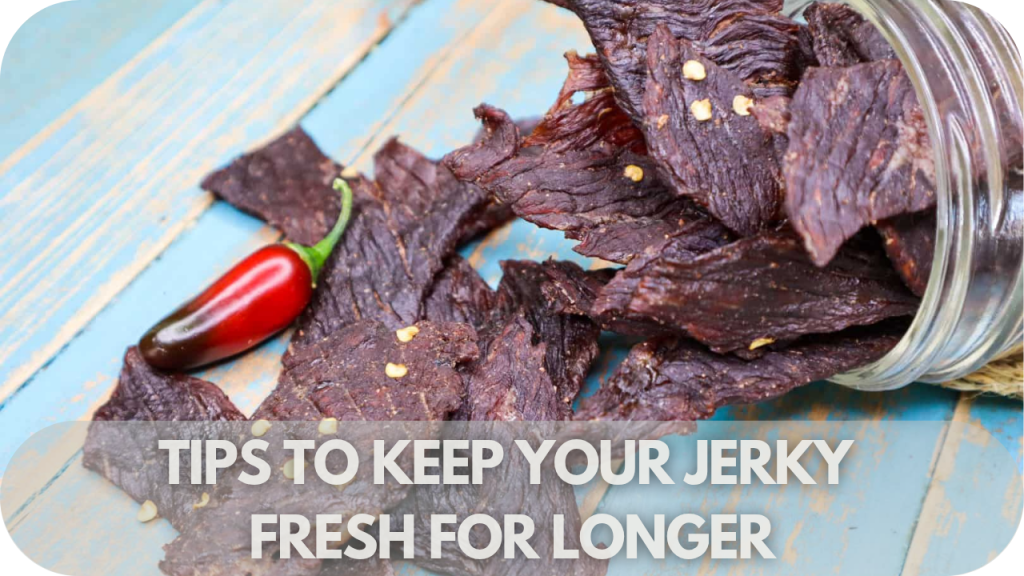
Have you ever wondered if beef jerky needs to be refrigerated after you open it? You might be asking yourself this because you want to keep your snack fresh and safe.
It’s a question that many jerky lovers face, especially when they’re on the go or storing leftovers. Understanding the right way to store your beef jerky can save you from wasting food and protect you from potential health risks. Keep reading, and you’ll discover simple tips that will help you enjoy your jerky longer and with peace of mind.
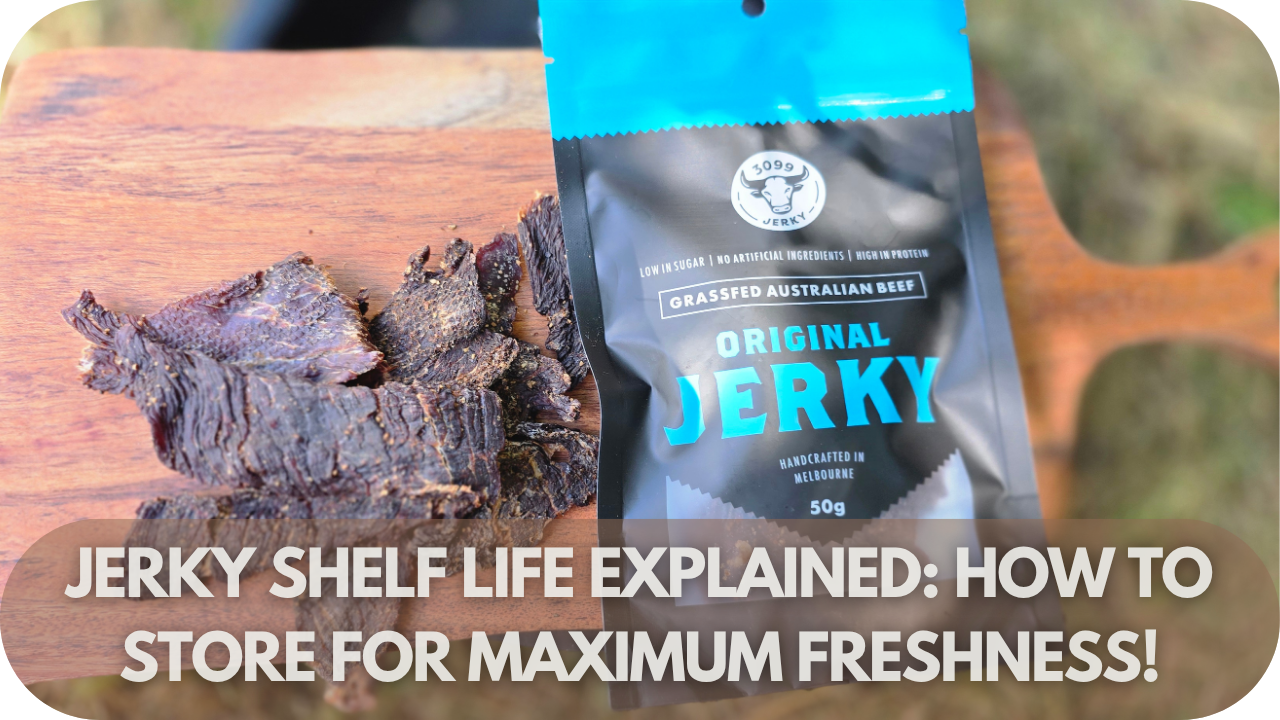
Credit: 3099jerky.com
Beef Jerky Shelf Life
Beef jerky is a popular snack known for its long shelf life. Its drying process removes most moisture, which helps prevent bacteria growth. Still, how long beef jerky lasts depends on storage and packaging. Understanding shelf life helps keep jerky safe and tasty.
Unopened Packages
Unopened beef jerky can last a long time without refrigeration. Most packages have a “best by” date, usually 6 to 12 months from production. Properly sealed bags protect jerky from air and moisture.
- Store unopened jerky in a cool, dry place.
- Avoid direct sunlight or heat sources.
- Check the package for storage instructions.
Unopened jerky stored well retains flavor and texture. It remains safe to eat past the “best by” date but may lose quality.
After Opening
Once opened, beef jerky is exposed to air and moisture. This shortens its shelf life significantly.
- Consume opened jerky within 3 to 7 days.
- Store in an airtight container or resealable bag.
- Refrigeration is recommended to extend freshness.
Keeping jerky cold slows mold and bacteria growth. Avoid leaving jerky out for long periods after opening.

Credit: beefjerky.com
Storage Conditions
Proper storage is key to keeping your beef jerky tasty and safe. How you store it affects its texture, flavor, and shelf life. Let’s look at how different storage conditions impact your jerky and what you can do to make it last longer.
Room Temperature Storage
You can keep beef jerky at room temperature if it’s in a sealed, airtight package. Most store-bought jerky is designed for this and stays good for a few weeks. However, once opened, exposure to air and moisture can cause it to spoil faster.
Keep jerky away from heat, sunlight, and humidity to avoid mold growth or changes in texture. Have you noticed your jerky getting chewy or off-flavored after a few days out? That’s usually a sign it needs better storage.
Refrigeration Benefits
Refrigerating your jerky slows down spoilage and maintains freshness longer. It’s especially helpful if you’ve opened the package or made homemade jerky without preservatives.
Cold storage keeps moisture and bacteria in check, so your jerky stays flavorful and safe to eat. If you want to stretch its shelf life beyond a few weeks, refrigeration is a smart choice.
Freezing Jerky
Freezing jerky can extend its life for several months without sacrificing taste or texture. Just make sure to wrap it tightly in freezer-safe packaging to avoid freezer burn.
When you thaw frozen jerky, do it slowly in the fridge to keep it from drying out. Have you tried freezing your jerky and noticed a difference in quality? Many find it a convenient way to store large batches.
Factors Affecting Freshness
Freshness of beef jerky depends on several key factors. These influence its taste, texture, and safety. Understanding them helps in proper storage and handling.
Moisture Content
Moisture level is crucial in jerky freshness. Lower moisture means less chance for bacteria to grow. Too much moisture can cause spoilage quickly. Proper drying removes most water while keeping jerky chewy.
Packaging Types
Packaging protects jerky from air and moisture. Vacuum-sealed packs keep air out and preserve freshness longer. Resealable bags help maintain quality after opening. Packaging with oxygen absorbers extends shelf life.
Preservatives
Preservatives slow down spoilage and bacterial growth. Common ones include salt, nitrates, and natural antioxidants. They help jerky last longer without refrigeration. Some brands use fewer preservatives for natural taste.
Signs Jerky Has Gone Bad
Beef jerky is a popular snack, but it can spoil over time. Knowing the signs of bad jerky helps you avoid eating unsafe food. Spoiled jerky loses its taste and texture and may even cause illness. Watch for changes in texture, smell, taste, and appearance.
Texture Changes
Fresh jerky is usually firm and chewy. Spoiled jerky often becomes overly hard or brittle. It might also feel sticky or slimy. These changes mean bacteria or mold could be growing. Avoid jerky with unusual texture to stay safe.
Smell And Taste
Jerky normally smells smoky or salty. A sour or rancid odor signals spoilage. If the jerky tastes bitter, sour, or off, do not eat it. Bad smell and taste are clear warnings of spoilage.
Mold And Discoloration
Mold appears as white, green, or black spots on jerky. Any fuzz or unusual coloring means the jerky is unsafe. Dark or uneven discoloration also shows it has gone bad. Always discard jerky showing mold or strange colors.
Tips For Keeping Jerky Fresh
Keeping your beef jerky fresh is key to enjoying its full flavor and texture. Improper storage can lead to dryness, loss of taste, or even spoilage. Here are some practical tips to help you maintain your jerky’s quality over time.
Proper Sealing Methods
Sealing your jerky properly protects it from air and moisture, which cause spoilage. Vacuum sealing is the best option if you have the equipment; it removes air completely and extends shelf life significantly.
If vacuum sealing isn’t available, use resealable plastic bags and press out as much air as possible before sealing. This simple step makes a big difference in keeping your jerky fresh longer.
Using Airtight Containers
Airtight containers are a great alternative to bags. Glass jars with rubber seals or plastic containers with tight-fitting lids prevent air from reaching your jerky.
Make sure the container is clean and dry before adding your jerky. Label the container with the date you stored it to keep track of freshness.
Avoiding Heat And Humidity
Heat and humidity accelerate jerky spoilage by encouraging bacterial growth and mold. Store your jerky in a cool, dry place away from direct sunlight, like a pantry or cupboard.
Have you ever noticed your jerky getting soft or sticky after leaving it in a hot car? That’s a clear sign to keep it in a stable environment. Consider a dedicated spot in your kitchen where temperature and humidity stay consistent.

Credit: kaimanajerky.com
Frequently Asked Questions
Does Beef Jerky Need Refrigeration After Opening?
Beef jerky usually doesn’t require refrigeration if unopened. Once opened, store it in an airtight container. Refrigerate to maintain freshness and prevent mold, especially in humid conditions. This helps keep the jerky safe and flavorful for a longer time.
How Long Does Beef Jerky Last Unrefrigerated?
Unopened beef jerky can last 1 to 2 months unrefrigerated. After opening, it’s best to consume within a week if not refrigerated. Proper storage in a cool, dry place extends shelf life without refrigeration.
Can You Freeze Beef Jerky For Longer Storage?
Yes, freezing beef jerky extends its shelf life up to 6 months. Use airtight, freezer-safe bags or containers. Thaw jerky in the refrigerator or at room temperature before eating for best texture and flavor.
What Happens If Beef Jerky Is Not Refrigerated?
If not refrigerated after opening, beef jerky can dry out or grow mold. It may lose flavor and texture. Refrigeration slows bacterial growth, preserving taste and safety. Always check for signs of spoilage before consumption.
Conclusion
Beef jerky stays fresh without refrigeration if sealed well. Keep it in a cool, dry place to avoid spoilage. Once opened, use it quickly or store it in the fridge. This helps keep flavor and texture intact. Always check the package instructions for best storage tips.
Enjoy your jerky safely and avoid wasting food. Simple steps keep your snack tasty and ready to eat anytime.