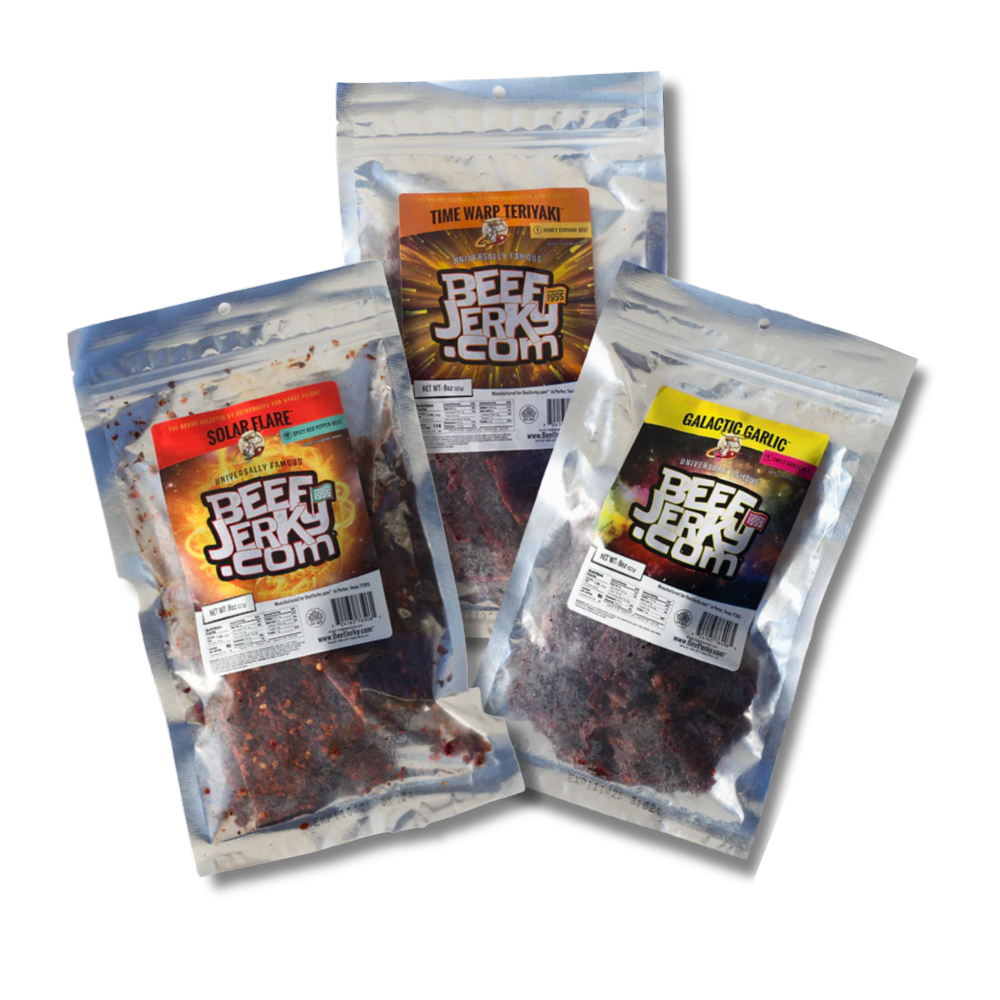
Are you wondering if your tasty beef jerky needs to be refrigerated? You’re not alone.
Many people ask this question because they want to keep their snack fresh and safe to eat. Knowing the right way to store beef jerky can save you from wasting money and avoid any unpleasant surprises. You’ll discover simple tips to keep your jerky delicious and safe, whether you’re at home or on the go.
Keep reading to learn exactly what you should do with your beef jerky after opening the package.
Shelf Stability Of Beef Jerky
Beef jerky is known for its long shelf life, making it a popular snack for busy days and outdoor adventures. But what exactly makes it shelf stable, and how long can you keep it without refrigeration? Understanding the factors that affect beef jerky’s shelf stability can help you enjoy it safely and avoid waste.
How Jerky Is Preserved
Jerky stays safe to eat for weeks or even months because of the way it’s dried and seasoned. Removing moisture from the meat prevents bacteria and mold from growing. Salt, spices, and sometimes smoke add extra protection by killing off microbes and enhancing flavor.
Think about the last time you grabbed a pack of jerky from your pantry. It probably didn’t need to be refrigerated right away. That’s because the drying process, combined with preservatives, locks in its shelf stability.
Impact Of Packaging On Shelf Life
The packaging of beef jerky plays a big role in keeping it fresh. Vacuum-sealed bags remove air, which limits oxidation and slows down spoilage. Resealable packaging can help after opening, but jerky should be stored in a cool, dry place to maximize shelf life.
- Vacuum-sealed jerky can last 1-2 months unopened at room temperature.
- Once opened, refrigerate or consume within a week for best quality.
- Jerky in non-airtight packaging may spoil faster due to moisture and air exposure.
Have you ever noticed the difference in freshness between store-bought jerky and homemade versions? Packaging technology makes all the difference in maintaining that perfect chew and flavor over time.

Credit: kaimanajerky.com
When To Refrigerate Beef Jerky
Knowing when to refrigerate beef jerky can save you from wasting a tasty snack or risking food safety. The need for refrigeration depends on several factors, including whether the package is opened and the type of jerky you have. Let’s break down these details so you can enjoy your jerky without worry.
Unopened Vs Opened Packages
If your beef jerky package is unopened and vacuum-sealed, it usually does not require refrigeration. The airtight seal keeps moisture and bacteria out, preserving the jerky for weeks or even months at room temperature.
Once you open the package, the jerky is exposed to air and moisture, which can cause it to spoil faster. At this point, refrigerating the jerky is a smart choice to maintain freshness and prevent mold growth. If you don’t plan to finish the jerky quickly, storing it in the fridge can extend its shelf life by several weeks.
Types Of Jerky And Storage Needs
Not all jerky is created equal when it comes to storage. Traditional beef jerky, which is dried and salted, tends to last longer without refrigeration.
However, jerky made with marinades, sauces, or higher moisture content may require refrigeration even if unopened. For example, teriyaki or spicy flavored jerky often contains ingredients that can spoil faster.
- Dry, salted jerky: Safe at room temperature if sealed.
- Marinated or moist jerky: Best refrigerated after opening.
- Homemade jerky: Usually refrigerate to be safe, especially if not heavily salted.
Have you ever left opened jerky out only to find it tasted off the next day? That experience taught me to always refrigerate after opening, regardless of the type.
Ask yourself: How long will you keep the jerky after opening? If it’s more than a day or two, refrigeration is your best bet to keep it tasty and safe.
Effects Of Refrigeration On Flavor And Texture
Refrigerating beef jerky can have a noticeable impact on its flavor and texture. Understanding these effects helps you decide the best storage method for your jerky, especially if you want to enjoy every bite at its peak quality. Let’s look at how refrigeration changes the taste and texture over time and what you can do to keep your jerky fresh.
Changes In Taste Over Time
Storing beef jerky in the fridge slows down the aging process, which can preserve its original flavor longer. However, refrigeration might also mute some of the spices and smoky notes you love. Have you ever noticed jerky tastes less intense after a few days in the fridge? That’s because cold temperatures can dull certain flavors.
On the other hand, if jerky is left out too long at room temperature, it may develop off-flavors from oxidation or moisture exposure. So, which do you prefer: sharper, fresher flavor or a slightly mellowed taste? Your choice affects how you store your jerky.
Maintaining Jerky’s Quality
Keeping your jerky’s texture firm and enjoyable depends on managing moisture and temperature. Refrigeration helps prevent jerky from becoming too dry or hard, especially if it’s homemade or lacks preservatives. But too much moisture inside the packaging can lead to sogginess or mold growth.
- Use airtight containers or vacuum-sealed bags to control humidity.
- Place jerky in the fridge only if you plan to keep it for more than a week.
- For short-term storage, a cool, dry place often works well.
Have you tried storing jerky both ways? You might find that a quick chill in the fridge just before eating restores some chewiness, making it more enjoyable. Balancing storage methods can ensure your jerky tastes great and stays safe to eat.
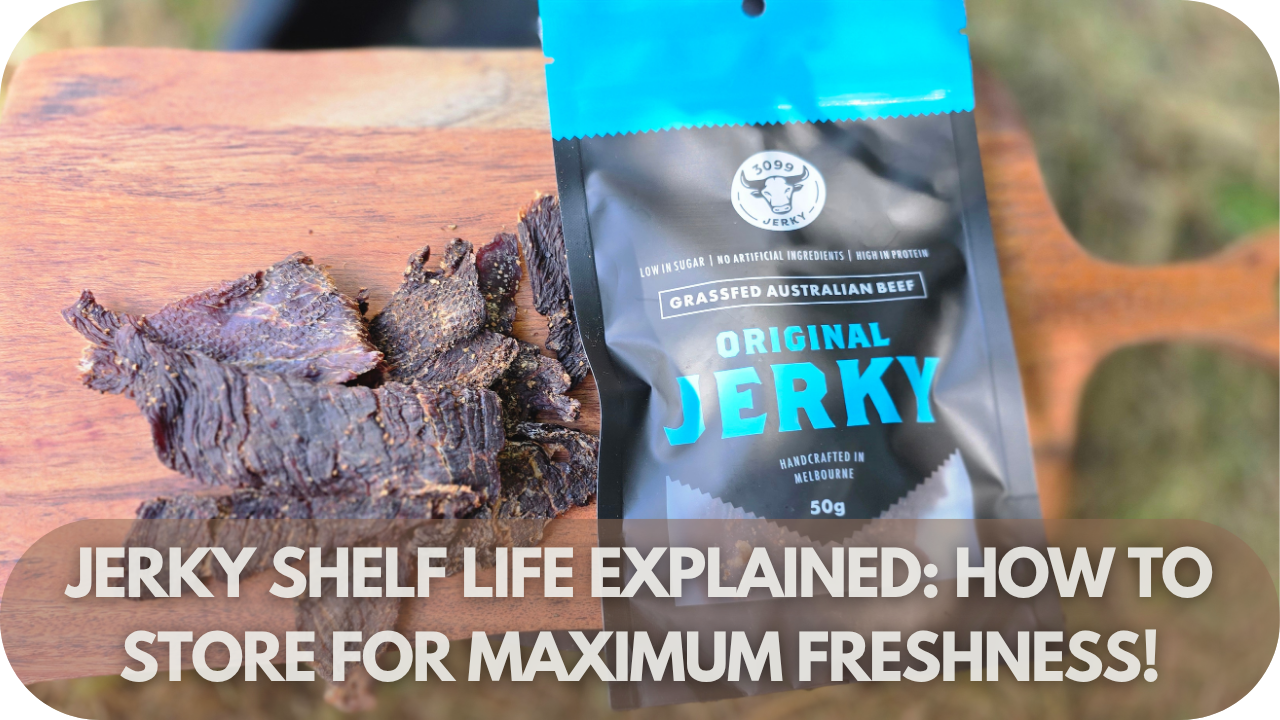
Credit: 3099jerky.com
Storing Jerky Without Refrigeration
Storing beef jerky without refrigeration is possible, but it requires attention to detail to keep it fresh and tasty. You need to control the environment where the jerky stays to avoid moisture and spoilage. Let’s look at how you can create the right conditions to enjoy your jerky without a fridge.
Ideal Room Temperature Conditions
Jerky lasts longer when kept in a cool, dry place. The best room temperature for storing jerky is between 60°F and 70°F (15°C to 21°C). Higher temperatures can cause the oils in the meat to go rancid faster, while too much humidity encourages mold growth.
Think about your pantry or a kitchen cabinet away from direct sunlight and heat sources like ovens or microwaves. Avoid storing jerky in places prone to temperature swings, such as near windows or exterior walls. Have you ever noticed how jerky left in a warm car gets sticky or smells off? That’s why stable, moderate temperatures are key.
Using Airtight Containers
Exposure to air is one of the biggest enemies of jerky. Using airtight containers limits the jerky’s contact with oxygen, which slows down spoilage and keeps the texture just right. Glass jars with tight lids, vacuum-sealed bags, or resealable plastic containers work well.
Adding a small packet of silica gel or a moisture absorber can help control humidity inside the container. Make sure the jerky is completely cooled before sealing it to avoid trapping moisture. Have you tried keeping jerky in a ziplock bag and found it got soggy? Airtight containers prevent that problem effectively.
Signs Of Spoilage In Beef Jerky
Beef jerky is a popular snack known for its long shelf life. Still, it can spoil if not stored properly. Knowing the signs of spoilage helps keep you safe and prevents waste. Check your beef jerky carefully for any changes in appearance, smell, or texture. These clues indicate whether the jerky is still good to eat or should be discarded.
Visual Indicators
- Color changes such as dark spots or unusual fading may appear.
- White or green mold on the surface is a clear spoilage sign.
- Sticky or slimy coating instead of dry texture shows bacterial growth.
- Packaging bloating can mean gas buildup from spoilage bacteria.
Smell And Texture Changes
- A sour or rancid odor replaces the normal smoky or salty smell.
- Jerky that feels mushy or overly soft loses its freshness.
- Hard and brittle jerky can also indicate age, but softness is more concerning.
- Any strange or off smells mean the jerky is unsafe to eat.
Tips For Long-term Jerky Storage
Storing beef jerky for the long haul requires more than just tossing it in a drawer and hoping for the best. You want to keep that rich flavor and chewy texture intact while preventing spoilage. Proper storage techniques can make a big difference, whether you’re saving a small batch or a bulk supply.
Freezing Jerky Safely
Freezing jerky might sound unusual, but it’s a reliable way to extend its shelf life without sacrificing taste. Make sure to use airtight, freezer-safe bags or containers to avoid freezer burn and moisture buildup.
Before freezing, portion your jerky into snack-sized amounts. This way, you only thaw what you need, keeping the rest fresh and untouched. Have you ever noticed how jerky can get dry and crumbly after repeated thawing? Avoid that by minimizing exposure to air and moisture.
Best Practices For Bulk Storage
Storing large quantities of jerky needs a bit more planning to keep it safe and tasty. Use vacuum-sealed bags to remove air, which slows down oxidation and mold growth. If you don’t have a vacuum sealer, tightly sealing in heavy-duty ziplock bags works too, but try to squeeze out as much air as possible.
Keep your stored jerky in a cool, dark place away from direct sunlight and heat sources. A pantry or cupboard works well if you plan to consume it within a month or two. For longer storage, refrigeration or freezing is key.
Have you tried labeling your jerky packages with dates? This simple step helps you track freshness and avoid eating expired jerky unknowingly.

Credit: 3099jerky.com
Frequently Asked Questions
Does Beef Jerky Need Refrigeration After Opening?
Yes, refrigerate beef jerky after opening to maintain freshness. It prevents mold and bacterial growth, extending shelf life. Store it in an airtight container or resealable bag for best results. This helps keep jerky flavorful and safe to eat for several weeks.
Can Unopened Beef Jerky Be Stored At Room Temperature?
Unopened beef jerky can be stored at room temperature. Its low moisture and preservatives make it shelf-stable. Keep it in a cool, dry place away from sunlight. Check the expiration date for optimal quality and safety before consuming.
How Long Does Beef Jerky Last Without Refrigeration?
Beef jerky lasts about 1-2 months unrefrigerated if unopened. Once opened, consume within a week without refrigeration. Storing it properly in airtight packaging slows spoilage. Refrigeration extends its shelf life to several months after opening.
What Happens If Beef Jerky Is Not Refrigerated?
If not refrigerated after opening, beef jerky can spoil faster. It may develop mold or lose flavor and texture. Bacteria growth increases, risking food safety. Always store jerky properly to enjoy its taste and avoid health risks.
Conclusion
Beef jerky offers a convenient snack option. Storing it correctly ensures freshness. Most store-bought jerky doesn’t need refrigeration. But check the packaging to be sure. Homemade jerky might need refrigeration. Always consider the ingredients used. Moisture levels can affect storage needs.
When in doubt, keep it in the fridge. This helps maintain quality and taste. Enjoy your jerky with confidence. Remember, proper storage extends its shelf life. A little care goes a long way. Savor the flavors safely.