Are you wondering if beef tallow needs to be kept in the fridge? You’re not alone.
Many people who cook with beef tallow ask this question because proper storage can affect its taste and safety. Imagine opening your jar of tallow only to find it spoiled or hard to use. That’s frustrating, right? You’ll discover the best way to store your beef tallow so it stays fresh and ready whenever you need it.
Keep reading to learn simple tips that will save you time, money, and hassle.
Beef Tallow Basics
Understanding beef tallow is key to storing and using it properly. This fat has been valued for centuries. Its unique qualities make it a favorite in many kitchens. Knowing the basics helps you decide how to keep it fresh and tasty.
What Is Beef Tallow
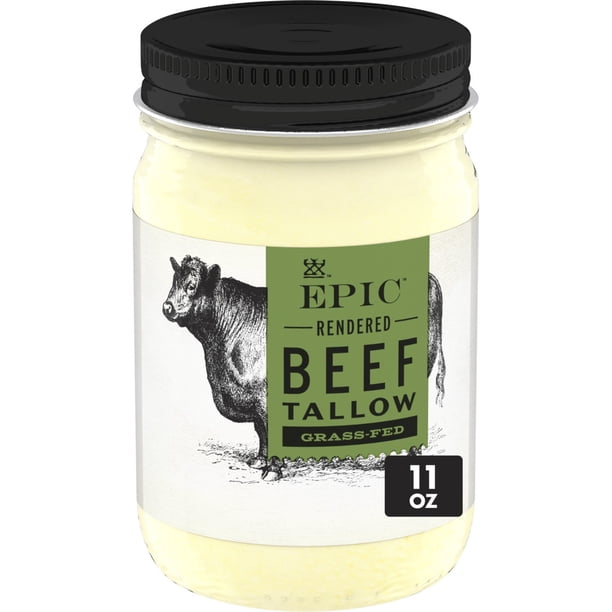
Beef tallow is rendered fat from cows. It is solid at room temperature but melts when heated. Tallow has a rich, beefy flavor. It is mostly made of saturated and monounsaturated fats. This makes it stable and less likely to spoil quickly.
Traditional uses include candle making and soap. Today, it is popular in cooking and frying. Its high smoke point makes it a good choice for high-heat cooking.
Common Uses In Cooking
Beef tallow is great for frying foods. It gives fries and meats a crispy texture. Many chefs prefer it for roasting vegetables. It adds a deep flavor that oils cannot match.
Some use tallow in baking for flaky pastries. It also works well in homemade pie crusts. Its natural fats help create tender, delicious results.
People interested in traditional or paleo diets often choose tallow. It is a natural, minimally processed fat. This makes it a healthy alternative to many processed oils.

Credit: beaverbrookranch.com
Shelf Life Of Beef Tallow
Beef tallow is a type of rendered fat with a long shelf life. Proper storage keeps it fresh and safe to use. Understanding its shelf life helps avoid waste and spoilage. This section explains how long beef tallow lasts and what affects its freshness.
Factors Affecting Freshness
Several factors influence how long beef tallow stays good. Temperature plays a big role. Cooler temperatures slow down spoilage. Exposure to air and light can cause oxidation. This leads to rancidity and off flavors. The quality of the original fat also matters. Pure, well-rendered tallow lasts longer. Containers that seal tightly keep out moisture and air. Using clean utensils prevents contamination.
Signs Of Spoilage
Knowing when beef tallow has gone bad is important. Look for changes in color. Fresh tallow is creamy white or pale yellow. Spoiled tallow may turn darker or develop spots. Smell is a clear indicator. Fresh tallow smells mild and fatty. A sour, rancid, or sharp odor means spoilage. Texture changes, like becoming sticky or slimy, also signal spoilage. If unsure, discard the tallow to stay safe.
Refrigeration Requirements
Understanding the refrigeration needs of beef tallow helps keep it fresh and safe for your cooking. How you store it can affect its flavor and shelf life significantly. Let’s look at when refrigeration is necessary and when room temperature works just fine.
When To Refrigerate
You should refrigerate beef tallow if you don’t plan to use it within a few weeks. Refrigeration slows down the oxidation process that can cause rancidity, especially in warmer climates.
If your kitchen stays warm or humid, refrigeration is a smart choice. Also, once you open a container, exposure to air can speed up spoilage, making the fridge a better option.
Have you noticed a change in smell or color? That’s a clear sign to store beef tallow in the fridge to extend its usability.
Storing At Room Temperature
Beef tallow can stay fresh at room temperature if kept in a cool, dark place. A pantry or cupboard away from sunlight works well.
Make sure the container is airtight to protect it from moisture and contaminants. Many people enjoy the convenience of having tallow ready to use without waiting for it to soften after refrigeration.
Think about how often you cook with it. If you use beef tallow frequently, room temperature storage might be more practical for you. Just keep an eye out for any changes in texture or smell to catch spoilage early.
Best Storage Practices
Proper storage keeps beef tallow fresh and safe for use. It prevents spoilage and maintains quality. Knowing the best ways to store tallow helps it last longer. This section covers ideal containers and how to avoid contamination.
Ideal Containers
Use airtight containers to store beef tallow. Glass jars work best as they do not react with fat. Metal tins with tight lids are also good options. Avoid plastic containers that might absorb odors or chemicals. Make sure containers are clean and dry before use.
Avoiding Contamination
Keep utensils clean and dry before dipping into tallow. Use a dedicated spoon or scoop to prevent introducing moisture or bacteria. Always close the container immediately after use. Store tallow away from strong-smelling foods to avoid flavor transfer.
Freezing Beef Tallow
Freezing beef tallow is a smart choice if you want to keep it fresh for a long time without worrying about spoilage. Unlike refrigeration, freezing slows down the oxidation process significantly, preserving the flavor and quality of the fat. If you’ve ever stored tallow only to find it smelling off or tasting strange, freezing could be the solution you need.
Benefits Of Freezing
Freezing beef tallow extends its shelf life by months, sometimes even up to a year. This means you can buy or make tallow in bulk without the pressure to use it quickly.
Freezing also prevents the growth of bacteria and mold, which can spoil your tallow if left at room temperature or even just refrigerated for too long. Plus, frozen tallow maintains its texture and flavor better, which is key if you want to use it in cooking or skincare routines.
How To Freeze Properly
Start by cooling your tallow completely if it’s freshly rendered. Pour it into airtight containers or heavy-duty freezer bags to prevent freezer burn and contamination.
Label each container with the date so you can keep track of how long it’s been frozen. When you’re ready to use the tallow, thaw it slowly in the refrigerator to maintain its quality.
- Use small portions to avoid refreezing leftovers.
- Keep the container sealed tightly to avoid absorbing odors from other foods.
- Consider freezing tallow in silicone molds for easy portioning.

Credit: www.walmart.com
Using Stored Beef Tallow
Using stored beef tallow effectively can make a big difference in your cooking and overall kitchen experience. Whether you keep it in the fridge or freezer, knowing how to handle and use beef tallow after storage helps you maintain its flavor and texture. Let’s look at some practical tips to get the best results from your stored beef tallow.
Thawing Tips
Thawing beef tallow slowly is key to preserving its quality. Avoid microwaving or applying direct heat, as this can change the texture and flavor. Instead, move your tallow from the freezer to the refrigerator and let it thaw overnight.
If you’re in a hurry, place the sealed container in a bowl of cold water. This speeds up thawing without risking overheating the tallow. Once thawed, stir it gently to restore its smooth consistency before using.
Maintaining Quality Over Time
How do you keep beef tallow fresh and tasty for months? First, always store it in an airtight container to prevent exposure to air, which causes rancidity. Label your containers with the date so you can track how long it’s been stored.
Keep your storage spot cool and dark, whether it’s the fridge or freezer. Light and heat speed up spoilage and affect flavor. If you notice any off smells or discoloration, it’s better to discard the tallow rather than risk using spoiled fat.
Credit: business.walmart.com
Frequently Asked Questions
Does Beef Tallow Spoil If Not Refrigerated?
Beef tallow can spoil if left unrefrigerated for too long. Store it in a cool, dark place. For extended freshness and safety, refrigeration is recommended. Properly stored tallow can last up to a year in the fridge, retaining its quality and flavor.
How Long Can Beef Tallow Sit Out?
Beef tallow can sit out for a few days, but it’s best to limit exposure. Warm temperatures can accelerate spoilage. For optimal preservation, keep it in the fridge or freezer. Always check for off smells or discoloration before use if left unrefrigerated.
Can You Freeze Beef Tallow?
Yes, you can freeze beef tallow for long-term storage. Freezing extends its shelf life significantly. Use airtight containers to prevent freezer burn. Properly stored, frozen tallow can last up to a year. Defrost it in the fridge before use to retain quality.
What Is The Shelf Life Of Refrigerated Tallow?
Refrigerated beef tallow can last up to a year if stored properly. Use airtight containers to maintain freshness. Keep it away from strong odors to prevent flavor absorption. Regularly check for signs of spoilage, such as off smells or changes in texture.
Conclusion
Beef tallow can stay fresh without refrigeration if stored properly. Keep it in a cool, dark place inside a sealed container. This prevents air and moisture from spoiling it. Refrigeration extends its shelf life but is not always needed. Always check for changes in smell or color before use.
Proper storage helps you enjoy beef tallow safely and longer. Simple care makes a big difference for quality and taste.