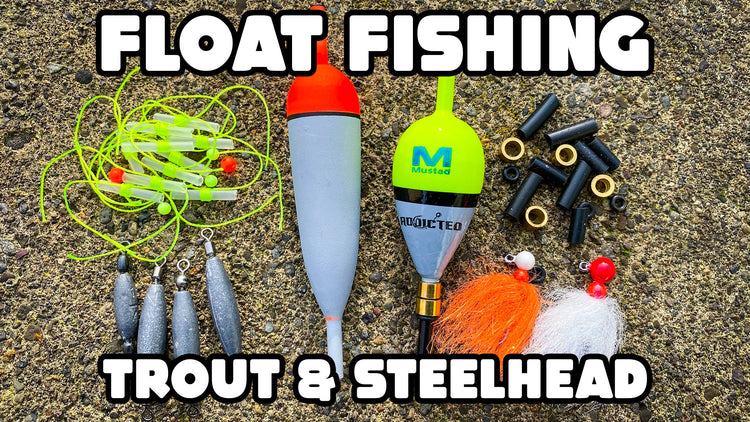
Have you ever wondered if your braided fishing line floats on water? Whether you’re new to fishing or looking to improve your tackle setup, knowing how your line behaves can make a big difference in your success.
Understanding if braided line floats or sinks helps you choose the right gear and technique for the fish you want to catch. Keep reading, because what you learn here could change the way you fish and boost your catch rate.
Credit: www.aliexpress.com
Braided Fishing Line Basics
Braided fishing line is popular among anglers for its strength and durability. It is made from several strands of fibers woven together.
This type of line behaves differently than other lines, like monofilament or fluorocarbon. Knowing its basics helps anglers choose the right line for fishing.
Material Composition
Braided lines are made from strong synthetic fibers. These fibers are woven tightly to create a thin but tough line. Common materials include:
- Dyneema
- Spectra
- Polyethylene fibers
These fibers make the line resistant to abrasion and stretching. The tight weave gives braided line high strength and low stretch.
Common Uses
| Use | Description |
| Freshwater fishing | Used for bass, trout, and other species requiring sensitivity |
| Saltwater fishing | Effective for catching larger fish due to high strength |
| Deep water fishing | Low stretch helps detect bites in deep water |
| Fishing in heavy cover | Resists abrasion from rocks and vegetation |
Buoyancy Factors
Buoyancy is the force that makes objects float or sink in water. Fishing line buoyancy depends on many factors. Some lines float, while others sink.
Understanding these factors helps anglers choose the right line for their fishing style. Two main factors affect braided fishing line buoyancy.
Density And Weight
Density tells us how heavy a material is compared to water. If the fishing line is denser than water, it will sink. If it is less dense, it will float.
Most braided lines are made from materials like polyethylene. These materials have a density close to or less than water, helping the line float or stay near the surface.
- High-density lines sink faster.
- Low-density lines tend to float.
- Weight affects how deep the line goes.
- Water temperature can slightly change density.
Line Diameter And Water Absorption
The thickness of the line affects buoyancy too. Thicker lines displace more water, which can help them float better.
Water absorption plays a role in whether a line floats or sinks. Some lines absorb water and become heavier, losing buoyancy.
| Factor | Effect on Buoyancy |
|---|---|
| Thin Diameter | Less water displaced, may sink easier |
| Thick Diameter | More water displaced, floats better |
| Low Water Absorption | Maintains buoyancy longer |
| High Water Absorption | Line gets heavier and sinks |
Testing Braided Line Floatation
Many anglers wonder if braided fishing line floats on water. Testing its floatation helps answer this question. Different tests show how braided lines behave in water.
We look at two types of tests: laboratory experiments and field observations. Each gives useful information about braided line floatation.
Laboratory Experiments
In the lab, scientists test braided fishing lines under controlled conditions. They use tanks filled with water to see if the line floats or sinks.
Lines are weighed and measured before and after water exposure. They test different brands and thicknesses of braided lines. Results show most braided lines do not float because they absorb water.
- Test lines placed on water surface
- Observe if lines stay afloat or sink
- Measure water absorption rates
- Compare results across brands and sizes
Field Observations
Anglers watch braided lines in real fishing conditions. They note if the lines float on water or sink quickly. Wind, waves, and water temperature affect floatation.
Most anglers find braided lines sink just below the surface. Sometimes the line may appear to float briefly if it is dry. Dirt or oils on the line can change how it floats.
- Observe line behavior in lakes, rivers, and oceans
- Note if line stays on surface or sinks
- Record weather and water conditions
- Check line condition before and after fishing

Credit: www.walmart.com
Comparing Braided And Other Lines
Braided fishing lines differ from other types of lines in many ways. Understanding these differences helps anglers pick the right line for their needs.
This guide compares braided lines with monofilament and fluorocarbon lines. It focuses on how each line behaves in water, especially if they float or sink.
Monofilament Lines
Monofilament lines are made from a single strand of nylon. They are popular because they float on water, making them good for topwater fishing.
- Float on water surface
- Stretch under pressure, which helps absorb shocks
- Visible in water, which can be a drawback in clear conditions
- Easy to handle and knot
Because monofilament lines float, anglers can use them for surface lures and soft presentations. Their stretch also protects against sudden fish pulls.
Fluorocarbon Lines
Fluorocarbon lines are made from a dense material that sinks quickly. They are nearly invisible underwater, making them great for clear water fishing.
| Feature | Fluorocarbon | Braided |
|---|---|---|
| Water behavior | Sinks | Floats |
| Visibility in water | Low | High |
| Strength | Strong but less than braided | Very strong |
| Stretch | Low stretch | Almost no stretch |
Common Myths About Floatation
Many anglers wonder if braided fishing line floats on water. There are several myths about this topic. Understanding these myths helps you choose the right line for fishing.
This article explains why some believe braided line floats and clears up common misconceptions with facts.
Why Some Believe Braided Line Floats
Some anglers think braided line floats because it sits on the surface in pictures or videos. They see it staying above water and assume it is buoyant. Others believe the material used makes it float naturally.
- Braided line is made of synthetic fibers that are light.
- It looks like it stays on top when cast or pulled quickly.
- Some users confuse floating with slow sinking.
- Water droplets on the line can make it appear floating.
Misconceptions And Facts
Many think braided fishing line floats, but in truth, it usually sinks. The fibers absorb water and weigh the line down. Unlike some monofilament lines, braided line lacks buoyant coating.
| Myth | Fact |
| Braided line floats on water | It sinks because it absorbs water |
| Braided line is made of light material | Material is light but water absorption adds weight |
| All fishing lines float | Only some monofilament or specially treated lines float |
| Braided line stays on surface when cast | It may appear so but sinks quickly after landing |
Practical Implications For Anglers
Braided fishing lines are popular for their strength and sensitivity. Many anglers wonder if braided lines float or sink. This affects how they fish on the water surface.
Understanding if braided lines float helps anglers choose the best line for their fishing style. It also guides how to handle the line during casting and retrieval.
Choosing The Right Line For Surface Fishing
Braided lines usually do not float because they absorb water and are denser than water. This can make them sink below the surface.
For surface fishing, anglers often prefer lines that float or stay near the surface. This helps keep lures visible and attract fish that feed on top.
- Use fluorocarbon or monofilament lines if you want the line to float.
- Braided line works well if you add a floating leader or use floatant sprays.
- Consider the type of fish and fishing environment when choosing line.
Tips For Handling Braided Lines
Braided lines are strong but can be tricky to handle. They have low stretch and can tangle easily if not managed well.
Proper care and handling improve casting distance and reduce line damage. This helps anglers fish more effectively with braided line.
- Keep the line tight when casting to avoid tangles.
- Use a good reel with a smooth drag system for braided line.
- Check the line often for frays or damage.
- Apply floatant to help the braided line stay near the surface.

Credit: fishingbooker.com
Frequently Asked Questions
Does Braided Fishing Line Float On Water?
No, braided fishing line does not float. It is made from tightly woven fibers that absorb water, causing it to sink. Anglers often use it for deep water fishing because it stays submerged and offers high strength with low stretch.
How Does Braided Line Compare To Floating Lines?
Braided lines sink, while floating lines stay on the water surface. Floating lines are usually made from monofilament or fluorocarbon materials. Braided lines provide better sensitivity and strength but lack buoyancy, making them ideal for bottom fishing or deep-water techniques.
Can Braided Line Be Made To Float?
Braided line cannot naturally float, but anglers can use floatant sprays or attach float tubes. These methods temporarily increase buoyancy, allowing the line to float. However, this is not a permanent solution, and the line will eventually sink again as the treatments wear off.
Why Is Braided Line Preferred Despite Sinking?
Braided line is preferred for its strength, durability, and sensitivity. It allows anglers to feel bites better and handle heavy fish. Even though it sinks, its performance advantages outweigh the lack of buoyancy in many fishing situations.
Conclusion
Braided fishing line does not float on water by itself. It sinks because of its material and tight weave. Anglers often add floats or bobbers to keep it near the surface. Choosing the right line depends on your fishing style and water type.
Understanding line behavior helps improve fishing success. Remember, knowing if your line floats can change your approach. Use this knowledge to fish smarter and catch more. Keep experimenting to find what works best for you.