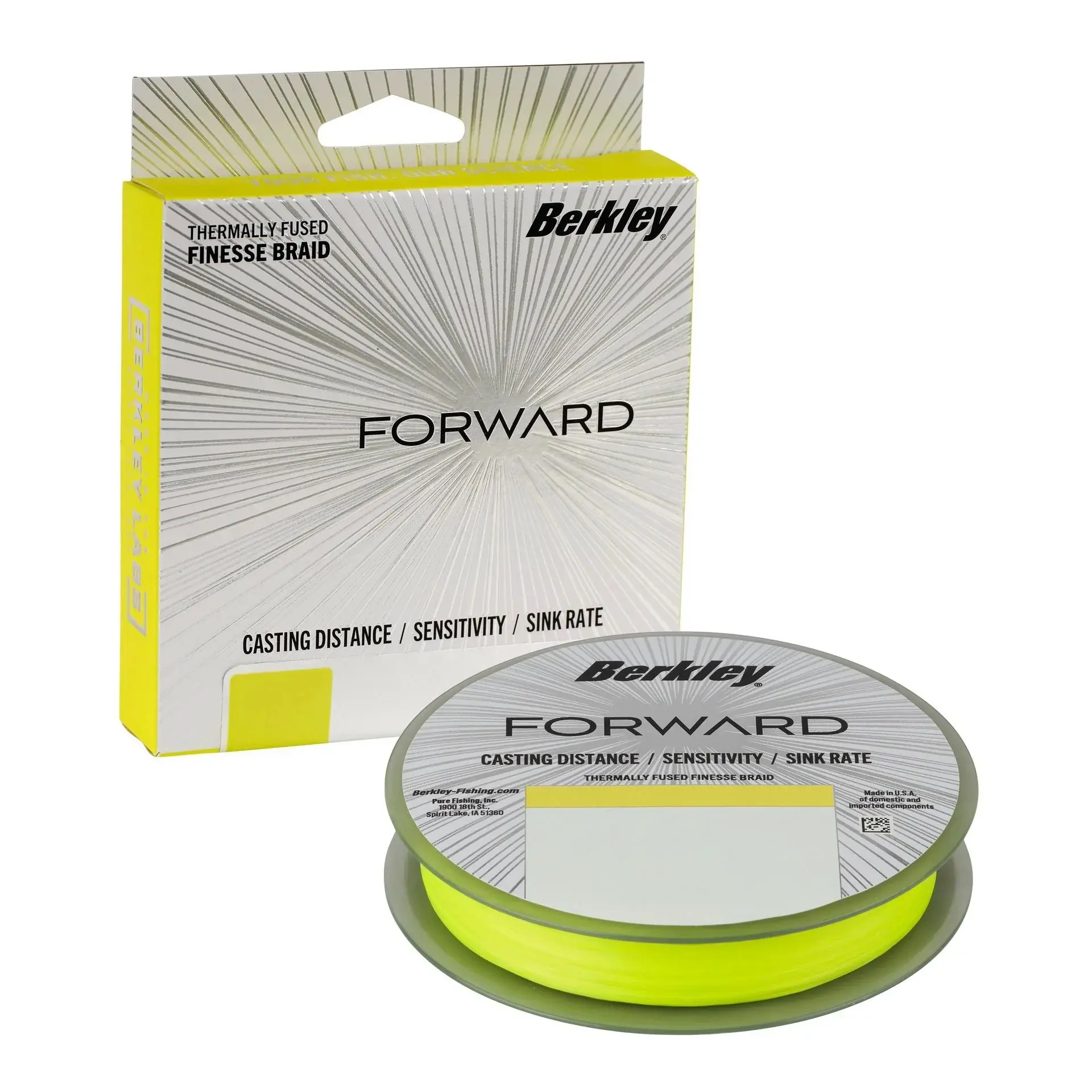
Have you ever wondered if your braided fishing line can go bad? You might be holding onto a spool for months, or even years, unsure if it’s still good to use.
Using old or worn-out line could cost you a big catch—or worse, leave you frustrated on the water. You’ll discover the truth about the lifespan of braided fishing line and learn how to tell if yours is ready to retire.
Keep reading to protect your gear and improve your fishing game.
Credit: gearjunkie.com
Braided Line Basics
Braided fishing line is popular among anglers for its strength and thin diameter. It lasts a long time if stored and used properly.
Understanding its material and uses helps you know if it can go bad and how to care for it.
Material And Construction
Braided line is made from several strands of strong fibers twisted together. These fibers are usually made of polyethylene or similar synthetic materials.
- Polyethylene fibers provide high strength and low stretch.
- The fibers are woven tightly to form a thin, round line.
- The line is coated to resist water and UV damage.
- Its construction makes it durable and smooth for casting.
Common Uses
Anglers use braided line for many fishing situations. It works well in freshwater and saltwater fishing.
| Use | Reason |
|---|---|
| Heavy cover fishing | Strong enough to pull fish from thick weeds |
| Long casting | Thin diameter helps cast farther |
| Deep water fishing | Low stretch allows better sensitivity |
| Saltwater fishing | Resists corrosion better than some lines |

Credit: www.reddit.com
Factors Affecting Durability
Braided fishing line is strong and popular. It lasts a long time but can wear out.
Many things affect how long braided line stays useful. Knowing these helps you care for it.
Exposure To Sunlight And Uv Rays
Sunlight can harm braided fishing line. UV rays break down the fibers over time.
Long exposure to sun makes the line weaker and brittle. It can snap more easily.
- Keep line in shaded areas when not used
- Use UV-protected line if fishing in bright sun
- Store line in dark containers to reduce damage
Water And Moisture Impact
Water itself does not damage braided line much. It is made to work in wet conditions.
Saltwater can cause problems if the line is not rinsed. Salt can build up and weaken fibers.
- Rinse line with fresh water after saltwater use
- Dry line completely before storing it
- Keep line away from damp places to avoid mold
Abrasion And Wear
Abrasion happens when line rubs against rough surfaces. This wears down the fibers and strength.
Sharp edges, rocks, and fish teeth can cause cuts and frays in the line.
- Check line often for frays or damage
- Replace line if you see cuts or weak spots
- Avoid dragging line over rough surfaces
Signs Of Braided Line Degradation
Braided fishing line can wear out over time. It is important to know the signs of degradation. This helps keep your fishing gear reliable.
Look for changes in the line’s condition. These signs show when it is time to replace your braided line.
Fraying And Splitting
Fraying happens when the fibers of the braided line start to come apart. Splitting occurs when the line breaks into sections.
Both fraying and splitting weaken the line. They make it easier to snap during fishing.
- Look for fuzzy or rough spots along the line
- Check for areas where the line separates into strands
- Avoid using line that shows these signs
Loss Of Strength
Braided line loses strength after repeated use or exposure to sun and water. The line may feel thinner or weaker.
Test the line by gently pulling it. If it breaks easily, it has lost its strength and should be replaced.
- Pull the line to check for breaks
- Notice if the line feels less firm or stiff
- Replace line that breaks under normal tension
Discoloration
Discoloration happens when the braided line changes color. This is often caused by sun damage or dirt buildup.
Faded or darkened line may be weaker inside. Discoloration is a warning sign that the line may fail soon.
- Check for fading or dark spots on the line
- Look for uneven color along the length
- Replace line that looks different from new line

Credit: www.reddit.com
Storage Tips To Prolong Life
Braided fishing line can last a long time if stored properly. Poor storage can weaken the line and cause it to go bad.
Keeping your braided line safe from damage helps it stay strong and ready for fishing trips.
Ideal Storage Conditions
Store braided fishing line in a cool, dry place away from sunlight. Heat and UV rays can break down the fibers.
Keep the line on its spool and avoid tight bends or knots. This prevents twists and weak spots.
- Use sealed plastic containers to protect from moisture
- Keep away from chemicals and oils
- Store in a dark area to avoid UV damage
- Maintain stable temperatures, avoid extreme heat or cold
Avoiding Common Mistakes
Do not leave braided line on your reel for months without use. This can cause memory and weaken the line.
Avoid letting the line get tangled or kinked. This creates weak points that can break easily.
- Do not expose line to direct sunlight for long periods
- Never store wet line; dry it before storage
- Avoid sharp bends or tight loops on the spool
- Do not mix old line with new line on the same spool
When To Replace Braided Line
Braided fishing line does not last forever. Over time, it can lose strength and become unsafe to use. Knowing when to replace it is important to avoid losing fish or gear.
Regular checks help spot signs of wear. Replace your braided line if you see damage or if it no longer works well during fishing.
Routine Inspection Guidelines
Check your braided line before every fishing trip. Look closely for cuts, frays, or thinning spots. These signs mean the line is weak.
- Feel for rough or fuzzy spots on the line
- Look for discoloration or fading
- Check knots for slipping or loosening
- Inspect the line near the spool and guides
Replace the line if you find any damage. Even small cuts can cause the line to break under pressure.
Performance Indicators
Pay attention to how your braided line performs while fishing. If casting feels different or the line does not hold tension, it may be time to replace it.
- Line slips on the reel or spool
- Decreased casting distance or accuracy
- Frequent line breaks during fights
- Loss of sensitivity or feeling fish bites
When these problems occur, do not wait. Changing the braided line improves your fishing experience and helps prevent lost catches.
Comparing Braided Line To Other Types
Fishing lines come in different types, including braided, monofilament, and fluorocarbon. Each type has unique features and uses. Understanding how braided line compares helps anglers choose the right line for their needs.
This comparison focuses on how long each line lasts and the balance between cost and performance.
Longevity Differences
Braided line lasts longer than monofilament and fluorocarbon. It resists UV light and abrasion better. This means it does not weaken as fast in the sun or rough water.
Monofilament can stretch and weaken over time. Fluorocarbon breaks down slowly but is more prone to damage from sharp objects. Braided line keeps its strength longer in most conditions.
- Braided line:High resistance to wear and UV damage
- Monofilament:Loses strength with sun exposure and stretching
- Fluorocarbon:Good durability but less abrasion resistance
Cost And Performance Trade-offs
Braided lines cost more upfront but offer better performance for their price. They have no stretch, giving anglers more control and sensitivity. This helps feel bites better and set hooks faster.
Monofilament is cheaper but stretches more. This can reduce sensitivity and hook-setting power. Fluorocarbon costs more than monofilament but less than braided. It is nearly invisible underwater and sinks faster.
| Line Type | Cost | Performance |
|---|---|---|
| Braided | High | Very strong, no stretch, sensitive |
| Monofilament | Low | Stretches, less sensitive, cheaper |
| Fluorocarbon | Medium | Invisible, sinks, moderate stretch |
Frequently Asked Questions
Does Braided Fishing Line Lose Strength Over Time?
Yes, braided fishing line can lose strength due to exposure to sunlight, water, and abrasion. Proper storage helps maintain its durability.
How Long Does Braided Fishing Line Last Unused?
Unused braided line typically lasts several years if stored away from UV light and moisture. Heat and sunlight reduce its lifespan.
Can Braided Fishing Line Degrade In Water?
Braided line does not absorb water but can weaken with prolonged UV exposure. Rinse after saltwater use to prevent damage.
How To Tell If Braided Fishing Line Is Bad?
Look for fraying, discoloration, or stiffness. These signs indicate the line has degraded and needs replacement.
Conclusion
Braided fishing line can last a long time with proper care. Avoid exposure to sunlight and dirt to keep it strong. Check the line often for any signs of wear or damage. Replace the line if it feels weak or frayed.
Storing it in a cool, dry place helps maintain its quality. Taking these simple steps ensures better fishing performance. Don’t ignore small signs of aging; they matter. Good maintenance saves money and improves your fishing experience. Keep your braided line ready and reliable for every trip.