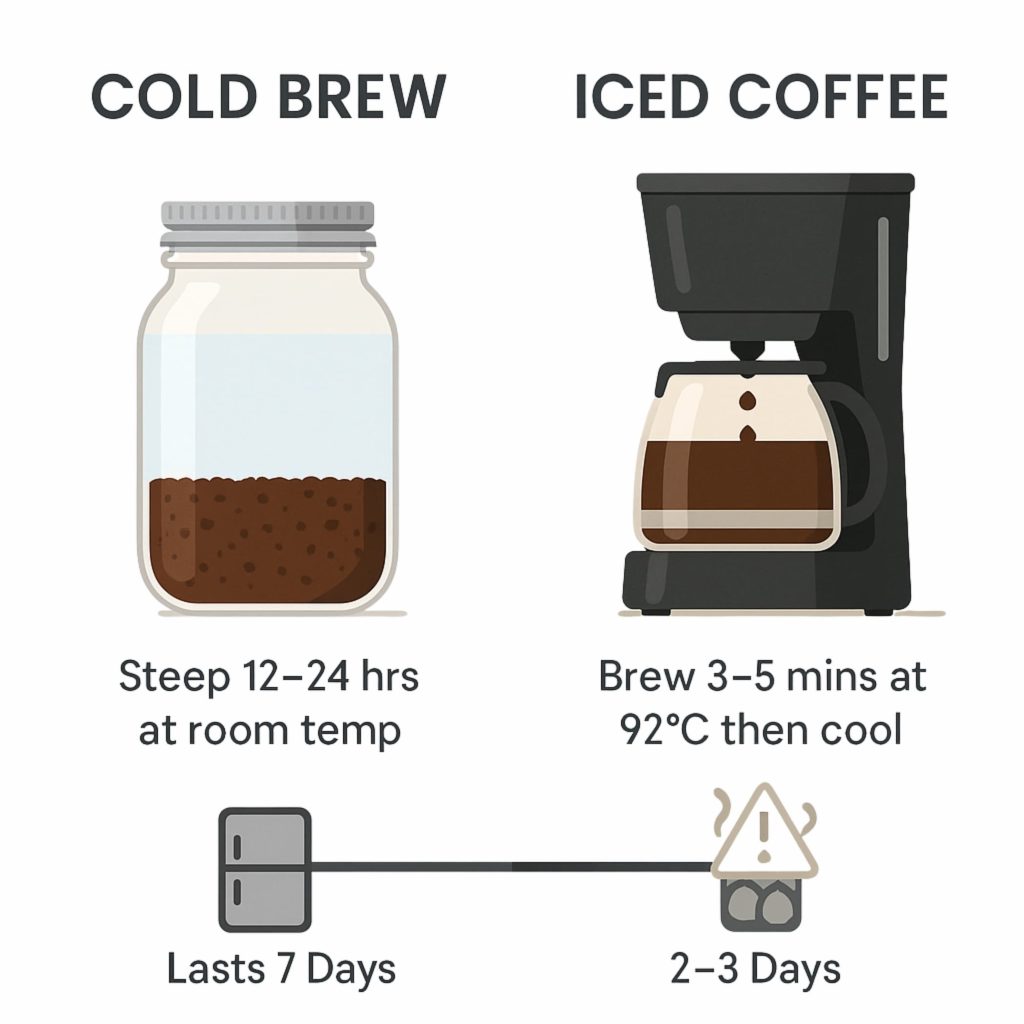
Have you ever wondered if your brewed coffee needs to be refrigerated? You might be surprised to learn that how you store your coffee can change its taste and safety.
Whether you make a big pot or just a single cup, knowing the right way to keep your coffee fresh can save you from bitter sips and possible health risks. Keep reading, and you’ll discover simple tips that will help your coffee stay delicious longer—and make every cup taste just right.
Coffee Shelf Life
Coffee shelf life depends on how it is stored and handled. Freshly brewed coffee tastes best but starts to lose flavor quickly. Proper storage can help keep coffee safe and tasty for longer. Understanding how long brewed coffee lasts and what affects its freshness is important for enjoying every cup.
How Long Brewed Coffee Lasts
Brewed coffee stays fresh at room temperature for about 4 hours. After this, it starts to taste stale and bitter. In the fridge, brewed coffee can last 3 to 4 days. It is best to store coffee in a sealed container to keep its flavor. Avoid leaving coffee out for too long to prevent bad taste and bacteria growth.
Factors Affecting Freshness
- Storage Temperature:Cooler temperatures slow down flavor loss and bacteria growth.
- Exposure to Air:Oxygen causes coffee to oxidize and lose freshness faster.
- Light Exposure:Light breaks down coffee compounds, reducing taste quality.
- Container Type:Airtight containers help maintain coffee flavor and prevent contamination.
- Initial Coffee Quality:Fresh, high-quality coffee stays better for longer periods.
Room Temperature Storage
Storing brewed coffee at room temperature might seem convenient, especially if you want to enjoy it later without the hassle of refrigeration. However, keeping coffee out in the open comes with some important considerations. Understanding these can help you decide how to store your coffee without sacrificing safety or flavor.
Risks Of Leaving Coffee Out
Leaving brewed coffee at room temperature for too long can lead to bacterial growth. Coffee isn’t a sterile drink, and once brewed, it can become a breeding ground for bacteria if left uncovered or for extended periods.
Most experts suggest that brewed coffee shouldn’t sit out for more than 12 hours. After this, the risk of contamination increases, especially in warm environments. Are you willing to take that risk just to avoid refrigeration?
Another risk is the coffee absorbing odors from the surrounding air. This can make your coffee taste off or stale without you even realizing it immediately.
Taste Changes Over Time
Even if your coffee doesn’t become unsafe, its flavor will change significantly at room temperature. Coffee starts to oxidize quickly, which causes bitterness and a flat taste.
Think about how your coffee tastes freshly brewed—bright, rich, and aromatic. After a few hours at room temperature, these qualities fade. You might notice a sour or burnt aftertaste creeping in.
Interestingly, some people prefer cold coffee that’s been left out because it loses acidity. But if you’re aiming for a fresh cup, sipping coffee left at room temperature may be disappointing.
Benefits Of Refrigeration
Refrigeration helps keep brewed coffee fresh by slowing down bacterial growth. It preserves flavor and prevents spoilage, making your coffee safe to drink longer. Chilling brewed coffee also reduces waste and saves money.
Refrigerating brewed coffee can make a world of difference in how it tastes and how long it lasts. While not everyone thinks about storing their coffee in the fridge, doing so can help you enjoy a fresher cup. Let’s dive into the specific benefits of refrigeration and how it can enhance your coffee experience.Preserving Flavor And Aroma
Refrigeration locks in the rich flavors and enticing aromas of your coffee. Without refrigeration, brewed coffee can quickly lose its original taste and scent, leaving you with a dull cup. Imagine the delight of sipping coffee that smells just as inviting the next day as it did when first brewed. A friend once told me how she always kept her leftover coffee in the fridge. She noticed her morning brew retained its vibrant flavor, especially when she reheated it later. This small step transformed her coffee ritual, making every cup a moment to savor.Preventing Bacterial Growth
Leaving brewed coffee out at room temperature can lead to unwanted bacterial growth. Refrigeration is an effective way to keep your coffee safe from harmful bacteria. This is particularly important if you plan to enjoy your coffee over several days. Consider how often you leave your coffee on the kitchen counter, only to find it a bit off the next day. Storing it in the fridge not only keeps it fresh but also ensures it’s safe to drink. Your coffee will thank you, and so will your taste buds. Refrigerating brewed coffee is a simple habit that can greatly improve your coffee-drinking experience. Whether it’s preserving the taste or ensuring safety, the fridge can be your coffee’s best friend. Why not give it a try and see the difference it makes in your daily brew?
Credit: www.yahoo.com
Best Practices For Refrigerating
Refrigerating brewed coffee can help preserve its flavor and freshness, but it requires some care to avoid common pitfalls like stale taste or unwanted odors. Understanding the best practices for refrigeration ensures your coffee stays enjoyable even after a few hours or days. Let’s look at how to store your coffee properly in the fridge to keep that rich aroma and smooth taste intact.
Using Airtight Containers
One of the biggest enemies of brewed coffee in the fridge is exposure to air. Oxygen quickly dulls the flavor and can cause your coffee to taste flat or stale.
Using airtight containers blocks air and prevents your coffee from absorbing other fridge smells. Glass containers with rubber seals or BPA-free plastic containers with tight lids work best.
Try to fill the container close to the top so there’s less air inside. You’ll notice a big difference in taste compared to leaving coffee in an open cup or loosely covered pot.
Ideal Temperature Settings
Keeping your brewed coffee at the right temperature matters as much as the container you use. The fridge should be set between 35°F and 40°F (1.6°C to 4.4°C) to slow down bacterial growth without freezing the coffee.
Too cold, and the coffee might develop ice crystals that change its texture and flavor. Too warm, and the coffee can spoil faster, losing its freshness.
Have you checked your fridge settings recently? Even small temperature fluctuations can affect how long your coffee stays good. A reliable fridge thermometer can help you maintain the perfect environment.
Reheating Tips
Reheating brewed coffee can bring back some warmth to your drink. Doing it right keeps the flavor closer to fresh coffee. Using the wrong reheating method can make coffee taste bitter or dull. Follow simple tips to enjoy your reheated coffee without losing its charm.
Avoiding Bitter Taste
Heating coffee too fast can cause bitterness. High heat burns coffee and changes its flavor. Avoid boiling coffee when reheating. Heat slowly and gently for better taste. Use low or medium heat settings on your stove or microwave. Stir coffee during reheating to spread heat evenly. This reduces hot spots that cause bitterness.
Methods For Reheating Coffee
- Stovetop:Pour coffee into a small pot. Heat on low, stirring often. Stop heating as soon as steam rises.
- Microwave:Use a microwave-safe cup. Heat coffee in short bursts of 20 seconds. Stir between bursts. Avoid overheating.
- Hot Water Bath:Place coffee cup in a bowl of hot water. Let it warm slowly. This method keeps coffee smooth and less bitter.

Credit: medium.com
Alternatives To Refrigeration
Keeping brewed coffee fresh without refrigeration is possible. Some easy alternatives help preserve flavor and quality. These options suit different needs and storage times. They avoid the bitterness that often comes from sitting at room temperature.
Freezing Brewed Coffee
Freezing coffee slows down the aging process. Pour brewed coffee into ice cube trays or airtight containers. Freeze in small portions for easy use later. Thaw cubes in the fridge or at room temperature. Avoid refreezing to keep taste intact. Frozen coffee works well for iced drinks or quick reheats.
Using Coffee Thermoses
Coffee thermoses keep coffee hot or cold for hours. They prevent exposure to air, which causes flavor loss. Pour fresh coffee into the thermos immediately after brewing. Choose a thermos with good insulation for best results. This method keeps coffee drinkable without refrigeration. It is perfect for travel or long workdays.

Credit: colipsecoffee.com
Frequently Asked Questions
Does Brewed Coffee Spoil If Left Unrefrigerated?
Yes, brewed coffee can spoil if left out over two hours. Bacteria grow faster at room temperature. Refrigeration slows this process and keeps coffee safe longer.
How Long Can Brewed Coffee Stay Fresh In Fridge?
Brewed coffee stays fresh in the fridge for up to 3-4 days. Store it in an airtight container to preserve flavor and prevent odor absorption.
Can Refrigeration Affect Brewed Coffee Taste?
Refrigeration can slightly change brewed coffee’s taste. It may taste less aromatic or a bit bitter. However, proper storage minimizes these changes.
Is It Safe To Drink Refrigerated Coffee?
Yes, drinking refrigerated coffee within 3-4 days is safe. Avoid drinking coffee that smells sour or tastes off, as it may have spoiled.
Conclusion
Brewed coffee can stay fresh longer in the fridge. Keep it in a sealed container to avoid odors. Drink it within a few days for best taste. Room temperature coffee loses flavor quickly. Cold coffee may taste different but still good.
Refrigeration slows down bacteria and mold growth. This helps keep your coffee safe to drink. Store your brewed coffee properly to enjoy every cup. Simple steps can extend your coffee’s freshness and flavor.