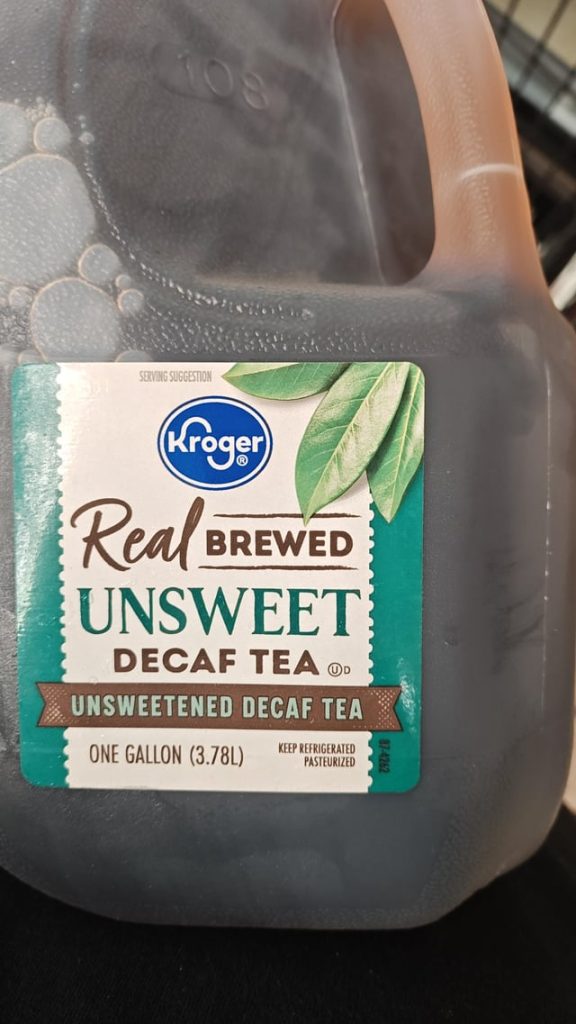
Ever brewed a perfect cup of tea only to wonder, “Does it need to be refrigerated?” You’re not alone.
Many tea lovers like you are curious about the best way to store their brewed tea. Your tea’s flavor, aroma, and health benefits depend on how you store it. Imagine sipping your favorite tea, only to find it’s lost its charm.
That’s why understanding proper storage is crucial. Dive into this article to discover whether your brewed tea truly belongs in the fridge, ensuring every sip is as delightful as the first. Don’t let your tea experience go stale—let’s uncover the secrets to keeping it fresh and flavorful!
Shelf Life Of Brewed Tea
Knowing the shelf life of brewed tea helps you enjoy it safely and at its best flavor. Brewed tea doesn’t stay fresh forever, and its taste and safety depend on how you store it. Understanding what affects its freshness and how to spot when it’s gone bad can save you from unpleasant surprises.
Factors Affecting Freshness
The type of tea you brew plays a big role in how long it stays fresh. Black and green teas generally last longer than herbal infusions. The temperature at which you store your tea also matters; refrigeration slows down spoilage.
Exposure to air and light speeds up the breakdown of flavors and can cause your tea to lose its aroma. Sugar or milk added to brewed tea can reduce its shelf life because they encourage bacterial growth. Using a clean, airtight container extends freshness significantly.
Signs Of Spoilage
How do you know when brewed tea is no longer safe or tasty to drink? Watch out for a sour or off smell that wasn’t there before. Cloudiness or a change in color can also mean the tea has spoiled.
If you notice any mold floating on the surface or a slimy texture, it’s time to discard your tea. Even a bitter or strange taste is a clear signal that your tea has passed its prime. Trust your senses—they’re the best tool you have to avoid drinking bad tea.

Credit: cspuerh.com
Refrigeration Benefits
Refrigerating brewed tea helps keep it fresh and safe to drink. It slows down changes in taste and stops harmful bacteria from growing. Cold storage keeps the tea enjoyable for longer periods.
Preserving Flavor And Aroma
Tea’s flavor fades quickly at room temperature. Cooling brewed tea locks in its natural taste and smell. This keeps the tea tasting fresh and crisp. The aroma stays strong and inviting. Refrigeration prevents the tea from becoming bitter or stale.
Preventing Bacterial Growth
Bacteria grow fast in warm, moist environments. Brewed tea left out can develop harmful germs. Storing tea in the fridge stops bacteria from multiplying. This keeps the tea safe to drink for days. Cold temperatures slow down spoilage and protect health.
Storage Methods Without Refrigeration
Storing brewed tea without refrigeration might seem tricky, but it’s definitely possible with the right approach. Keeping your tea fresh and tasty depends largely on where and how you store it. Let’s dive into practical ways to keep your tea enjoyable without relying on the fridge.
Using Cool, Dark Places
Heat and light can quickly degrade brewed tea, making it taste bitter or stale. Find a spot in your kitchen or pantry that stays cool and away from direct sunlight. A cupboard or a shaded corner works well.
Have you noticed how tea stored near the stove loses its flavor faster? That’s due to heat exposure. By simply moving your tea container to a cooler, darker space, you can slow down this process and keep your tea fresher for longer.
Short-term Storage Tips
If you plan to drink your brewed tea within a few hours, storing it at room temperature is fine. Use an airtight container to prevent exposure to air, which can alter the taste. Glass or stainless steel bottles with tight lids are great choices.
Adding a slice of lemon or a sprig of mint before storage can help maintain freshness and add a burst of flavor. Just remember to consume the tea within 6 to 8 hours to avoid any unwanted sourness or bacterial growth.

Credit: cspuerh.com
Best Containers For Storing Tea
Choosing the right container for storing brewed tea impacts its freshness and taste. Proper storage keeps tea cool, prevents odors, and stops contamination. The container material and sealing quality matter the most. Let’s explore the best options to keep your tea fresh and delicious.
Material Choices
Glass containers are popular because they do not absorb odors or flavors. They let you see the tea inside, so you can check its color and clarity. Stainless steel containers are durable and block light, which helps preserve tea quality. Plastic containers are lightweight but may absorb smells and affect the tea taste. Choose BPA-free plastics if you pick plastic. Avoid containers with metal coatings inside, as they can react with tea and change the flavor.
Sealing Techniques
A tight seal is essential to keep brewed tea fresh. Look for containers with silicone or rubber gaskets that create an airtight closure. Screw-top lids or snap-on caps work well if they fit securely. Avoid containers that leak or have loose lids, as air and moisture spoil tea faster. Using a vacuum-sealed container is ideal to lock in freshness and prevent oxidation. Proper sealing also stops other fridge odors from mixing with your tea.
Reheating Brewed Tea Safely
Reheating brewed tea can be a bit tricky if you want to keep its original taste and ensure it’s safe to drink. Many people wonder if warming up their leftover tea will ruin the flavor or pose any health risks. Let’s look at how you can reheat your tea safely while keeping its delicious aroma intact.
Avoiding Flavor Loss
Tea is delicate, and overheating can easily destroy its subtle flavors. Reheating tea gently is key to preserving its natural taste.
Try reheating your tea on low heat or using a microwave at medium power for short bursts. Avoid boiling it again—this can make the tea bitter and flat.
Have you noticed how tea tastes different when it’s heated too much? Keeping reheating times short helps maintain the fresh, smooth flavor you enjoyed the first time.
Safe Temperature Guidelines
Heating your tea to the right temperature is just as important for safety as it is for taste. Aim to warm your tea to about 130°F to 160°F (54°C to 71°C).
This range is hot enough to kill most bacteria but not so hot that it scalds your mouth or damages the tea’s flavor. Use a thermometer if you want to be precise.
Also, avoid leaving reheated tea at room temperature for long periods. Bacteria can grow quickly if tea sits out too long after warming.
Special Tips For Iced Tea
Iced tea is a refreshing drink, perfect for hot days. Keeping it tasty and fresh matters. Some simple tips help maintain its flavor and freshness.
Keeping It Fresh Longer
Store iced tea in a clean, sealed container. Glass jars work best to avoid odors. Keep the tea in the fridge below 40°F (4°C). Use it within 3 to 5 days for best taste. Avoid leaving iced tea out for more than two hours. This prevents bacteria growth and spoilage.
Enhancing Taste
Add fresh lemon slices or mint leaves to your iced tea. These add natural flavor and freshness. Sweeten tea with honey or simple syrup for a smooth taste. Avoid sugar granules; they dissolve slowly and can taste grainy. Chill brewed tea before adding ice to stop dilution. Use filtered water for a cleaner, crisper flavor.

Credit: www.reddit.com
Frequently Asked Questions
Does Brewed Tea Need Refrigeration To Stay Fresh?
Yes, brewed tea should be refrigerated to maintain freshness and prevent bacterial growth. Keep it in a sealed container and consume within 3-5 days for best taste and safety.
How Long Can Brewed Tea Stay Unrefrigerated?
Brewed tea can stay unrefrigerated for about 6-8 hours. After this, bacteria can grow, and the taste may deteriorate, so refrigeration is recommended for longer storage.
Can Brewed Tea Spoil If Not Refrigerated?
Yes, brewed tea can spoil if left out too long. Without refrigeration, it can develop off-flavors and harmful bacteria, making it unsafe to drink after several hours.
Is It Safe To Drink Unrefrigerated Brewed Tea?
Drinking unrefrigerated brewed tea within a few hours is generally safe. Beyond that, bacteria growth increases, risking foodborne illness. Refrigeration extends safety and flavor quality.
Conclusion
Brewed tea stays fresh longer when kept in the fridge. Cooling slows down bacteria growth and keeps flavor intact. Room temperature storage can make tea taste bitter or sour fast. Always use a clean, covered container for the best results.
Drinking tea within 24 hours ensures the best taste and safety. Remember, cold tea can be refreshing and safe to enjoy. Keep these tips in mind for your brewed tea storage. Simple steps make a big difference in tea quality.