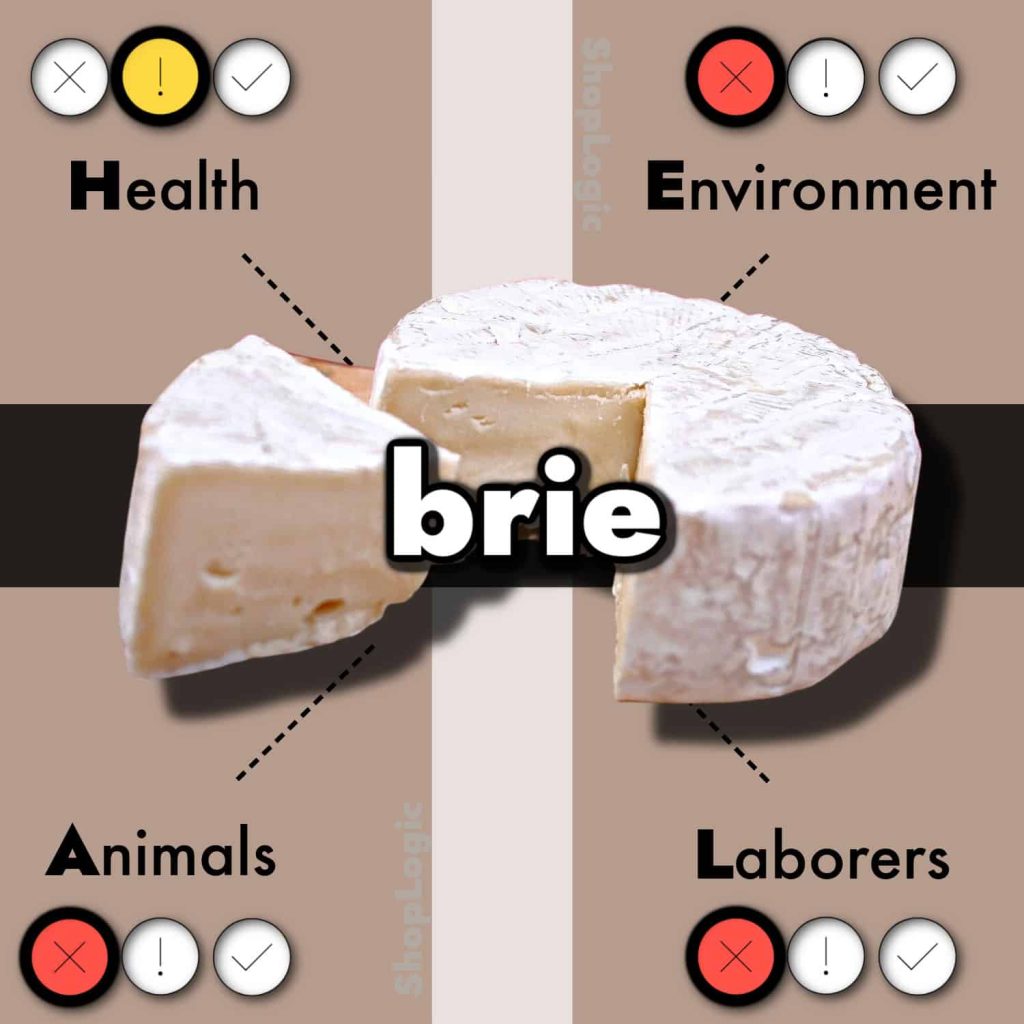
When you think of indulging in a creamy, delicious cheese, Brie often tops the list. Its rich texture and delicate flavor make it a favorite for many.
But here’s the question: does Brie need to be refrigerated? You’ve likely asked yourself this while standing in the grocery aisle or after hosting a delightful dinner party. The answer can impact not only the taste but also the safety of your cheese.
Understanding the right way to store Brie can enhance your culinary experience and ensure you enjoy every bite to the fullest. Stick with us as we unravel the mysteries of Brie storage, keeping your taste buds happy and your food fresh.

Credit: en.wikipedia.org
Brie Cheese Basics
Brie is a popular cheese loved around the world. It has a rich history and unique qualities. Understanding its basics helps you enjoy it fully. This section covers what Brie is and its texture and flavor.
What Is Brie
Brie is a soft cheese from France. It is made from cow’s milk. The cheese ages with a white mold rind. This rind is edible and adds to its taste. Brie cheese can vary in size and shape. It is usually round and flat. The cheese is creamy inside with a thin outer layer.
Texture And Flavor Profile
Brie has a smooth and creamy texture. It melts easily in your mouth. The outer rind is slightly firm and edible. The flavor is mild and buttery. Some types have nutty or fruity notes. Brie tastes best at room temperature. This brings out its soft texture and rich flavor.
Storage Requirements
Brie cheese requires proper storage to maintain its creamy texture and rich flavor. Storing Brie correctly helps prevent spoilage and keeps it safe to eat. Different storage methods affect how long Brie stays fresh and tasty. Understanding these options can help you enjoy Brie at its best.
Room Temperature Storage
Brie can be kept at room temperature for a short time. This is ideal for serving, allowing the cheese to soften and release its flavors. Keep Brie covered with a clean cloth or in a cheese dome to protect it from dust and insects. Avoid leaving it out for more than two hours, as warm conditions can promote bacteria growth.
Refrigeration Benefits
Refrigeration slows down the growth of bacteria and mold on Brie. It keeps the cheese safe to eat for longer periods. Wrap Brie in wax paper or parchment paper before placing it in the fridge. This helps the cheese breathe and prevents it from drying out. Avoid using plastic wrap directly, as it can trap moisture and spoil the cheese faster.
Shelf Life Differences
| Storage Type | Approximate Shelf Life | Key Notes |
|---|---|---|
| Room Temperature | Up to 2 hours | Best for serving only |
| Refrigerated | 1 to 2 weeks | Wrap in wax or parchment paper |
Proper storage extends Brie’s freshness and prevents waste. Always check for off smells or mold before eating.
How To Store Brie Properly
Storing Brie correctly is key to preserving its creamy texture and delicate flavor. Improper storage can cause it to dry out or develop unwanted mold. Let’s look at simple, effective ways you can keep your Brie fresh and tasty for longer.
Wrapping Techniques
How you wrap Brie makes a big difference. Avoid using plastic wrap directly on the cheese, as it traps moisture and can make the rind soggy. Instead, try wrapping Brie in wax paper or parchment paper first. This lets the cheese breathe while protecting it from drying out.
After wrapping it in paper, you can loosely cover it with aluminum foil to provide extra protection without suffocating the cheese. This method helped me keep Brie fresh for days when I hosted a dinner party, and guests were impressed by how soft and flavorful it stayed.
Ideal Storage Containers
Choosing the right container is just as important as wrapping. Small airtight containers are great if you want to avoid odors mixing in your fridge. However, if your Brie is wrapped in paper, a partially open container or a cheese dome works better. It maintains humidity while allowing air circulation.
Glass containers with vents or specially designed cheese boxes can also be excellent options. Think about your fridge space and how often you’ll access the cheese when picking the container. Do you want something quick to grab or more secure to keep Brie longer?
Avoiding Moisture And Mold
Moisture is Brie’s enemy. Excess moisture encourages mold growth beyond the edible rind. Always check the cheese and its wrapping for damp spots and replace any wet paper immediately.
If you notice unwanted mold, gently cut it off with a clean knife. Never wash Brie with water to remove mold; it will ruin the texture. Do you check your cheese regularly enough to catch problems early? A little attention goes a long way in keeping Brie delicious.

Credit: www.refrigeratedfrozenfood.com
Signs Brie Has Gone Bad
Knowing when Brie has gone bad is important for your safety and taste experience. Spoiled Brie can cause stomach issues and ruin your meal. Watch for clear signs to avoid eating bad cheese.
Visual Changes
- Surface mold that is green, black, or pink is a bad sign.
- White mold is normal, but fuzzy or thick mold is not.
- Discoloration, like yellow or brown spots, shows spoilage.
- Texture that is slimy or overly dry means the cheese is spoiled.
- Cracks or excessive dryness on the rind indicate old cheese.
Smell And Taste Indicators
- A strong ammonia or sour smell means the Brie is bad.
- Rancid or sharp odors are signs of spoilage.
- Taste a small piece; bitterness or sourness means discard it.
- A stale or off flavor is not normal for fresh Brie.
- Fresh Brie smells mild and creamy, not harsh or pungent.
Serving Brie At Its Best
Serving Brie at its best means paying attention to temperature and pairing to fully enjoy its creamy texture and delicate flavor. Brie has a subtle complexity that can be easily missed if served too cold or with the wrong accompaniments. Taking a few simple steps can transform your Brie experience from ordinary to memorable.
Bringing Brie To Room Temperature
Cold Brie straight from the fridge can taste dull and lose its smooth, buttery texture. Let your Brie sit out for about 30 to 60 minutes before serving. This allows the cheese to soften and release its full aroma and flavor.
Have you ever noticed how a chilled Brie feels firm and a bit bland? Once it warms, the creaminess spreads on your palate, making each bite richer and more enjoyable.
Keep Brie covered while it reaches room temperature to prevent drying out. A simple piece of parchment paper or its original wrapping works perfectly.
Pairing Suggestions
Choosing the right pairings can enhance Brie’s natural sweetness and earthiness. Try serving it with crusty bread, fresh fruit like apples or grapes, and a handful of nuts for contrasting textures.
- Sweet options:Honey, fig jam, or dried apricots add a lovely sweetness that balances Brie’s mild tang.
- Savory options:Prosciutto or a drizzle of balsamic glaze can add depth and an unexpected twist.
- Beverage ideas:Light white wines like Chardonnay or sparkling wine highlight Brie’s creamy profile.
Have you tried Brie with something unexpected, like a spicy chutney or pepper jelly? Such combinations can surprise your taste buds and make your cheese board stand out.

Credit: shop.pricechopper.com
Frequently Asked Questions
Does Brie Cheese Require Refrigeration At All Times?
Yes, Brie cheese should be refrigerated to maintain freshness and prevent spoilage. Keep it wrapped in wax paper or parchment inside an airtight container for best results.
How Long Can Brie Stay Unrefrigerated Safely?
Brie can stay unrefrigerated for about 2 hours at room temperature. Beyond that, bacteria growth increases, risking food safety and quality.
Can Brie Be Frozen Instead Of Refrigerated?
Freezing Brie is possible but not recommended. It can alter texture and flavor, making it crumbly and less creamy once thawed.
What Is The Best Way To Store Brie In The Fridge?
Store Brie wrapped in wax paper and sealed in an airtight container. This method preserves moisture and prevents it from absorbing other odors.
Conclusion
Brie cheese stays fresh longer in the refrigerator. Keep it wrapped tightly to avoid drying out. Let it sit at room temperature before serving for best flavor. Storing Brie properly helps keep its creamy texture and taste. Enjoy your cheese safely by following these simple tips.
Now you know how to care for Brie at home.