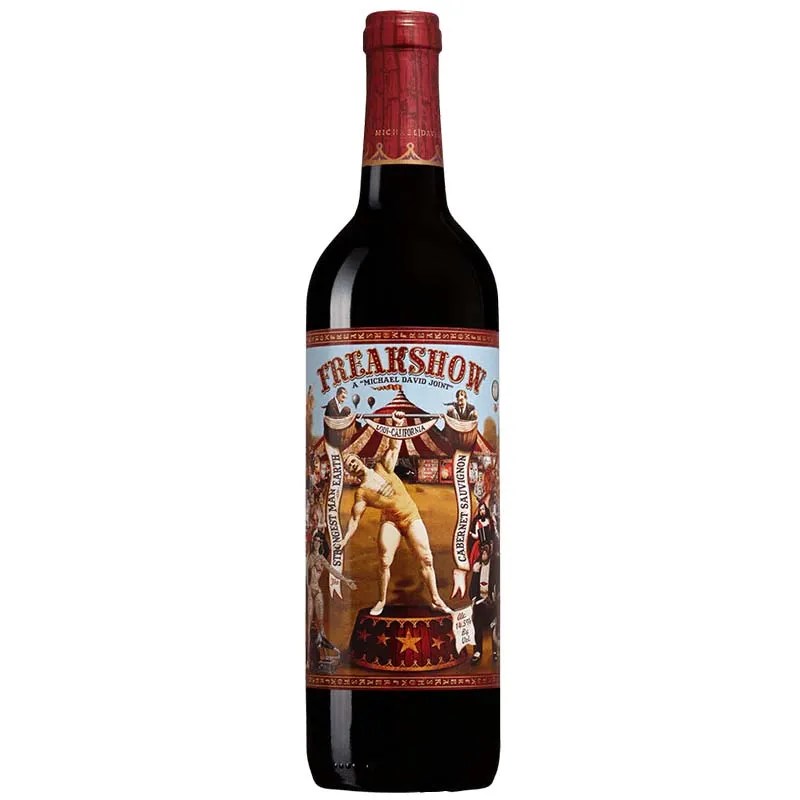
Are you wondering if your favorite Cabernet Sauvignon needs to be refrigerated? You’re not alone.
Knowing how to store wine properly can make a big difference in its taste and quality. Imagine opening a bottle that’s just right—never too warm or too cold. You’ll discover simple tips that can help you keep your Cabernet Sauvignon fresh and delicious every time.
Keep reading to learn exactly what you need to do to protect your wine investment.

Credit: whwc.com
Cabernet Sauvignon Storage Basics
Storing Cabernet Sauvignon properly helps keep its flavor and aroma intact. This wine can change if exposed to the wrong conditions. Knowing the basics of storage ensures you enjoy every sip. Keep your bottle in a stable place to avoid spoiling.
Ideal Temperature Range
Cabernet Sauvignon tastes best when stored between 50°F and 59°F (10°C to 15°C). Temperatures above 70°F (21°C) can speed up aging and spoil the wine. Cold temperatures below 45°F (7°C) may slow down the aging process too much. A steady temperature is key to preserving the wine’s quality.
Humidity And Light Considerations
Humidity around 70% keeps the cork moist and prevents air from entering. Too dry air can make the cork shrink, letting air in. Direct sunlight or bright lights can damage the wine’s flavor. Store bottles in a dark place or use a wine cabinet with UV protection.
Refrigeration Pros And Cons
Deciding whether to refrigerate your Cabernet Sauvignon can be tricky. Refrigeration has clear benefits but also some drawbacks you should consider. Understanding both sides helps you keep your wine tasting just right.
Benefits Of Refrigerating Red Wine
Chilling your Cabernet Sauvignon slows down the aging process. This helps preserve its flavors and aromas longer, especially if you don’t plan to drink the bottle quickly.
Serving Cabernet slightly cooler than room temperature—around 55-60°F (13-16°C)—can improve its taste. Refrigeration makes it easier to achieve this ideal serving temperature.
Refrigeration also keeps your wine safe from temperature swings and heat, which can spoil the delicate balance of tannins and fruit.
Potential Downsides
Too much cold can mute the wine’s flavor. If your Cabernet gets too cold, its rich aromas and complex notes may become harder to detect.
Rapid temperature changes, like moving wine from fridge to room temperature repeatedly, can cause “thermal shock.” This damages the wine’s structure and taste.
Also, if you leave the bottle in the fridge too long, the cork might dry out, letting air in and causing oxidation.
When To Refrigerate Cabernet Sauvignon
Knowing when to refrigerate Cabernet Sauvignon helps keep its flavors fresh and enjoyable. Proper chilling preserves the wine’s aroma and taste, especially after opening or for long-term storage. Here are the key times to refrigerate your Cabernet Sauvignon.
After Opening
Once opened, Cabernet Sauvignon starts to oxidize quickly. Oxygen changes the wine’s flavor and aroma. Store the bottle in the refrigerator to slow this process. Use a wine stopper to seal the bottle tightly. Refrigeration can keep the wine fresh for 3 to 5 days.
Long-term Storage
Cabernet Sauvignon does not need refrigeration for short-term storage. Keep unopened bottles in a cool, dark place instead. For long-term storage, refrigeration helps maintain quality. Ideal temperature is around 55°F (13°C). Avoid temperature changes and strong light. Use a wine fridge if possible for best results.

Credit: www.thefreshgrocer.com
Alternatives To Refrigeration
Cabernet Sauvignon does not always need refrigeration. There are several alternatives to keep your wine fresh and enjoyable. These options help maintain the wine’s flavor and aroma without using a fridge.
Wine Coolers And Cellars
Wine coolers keep a steady temperature ideal for red wines. They are smaller than refrigerators but maintain perfect conditions. A wine cellar offers a natural way to store wine. It stays cool and dark, protecting the wine from heat and light. Both options prevent temperature swings that harm the wine’s quality.
Room Temperature Storage Tips
Store your Cabernet in a cool, dark place away from sunlight. Avoid spots near ovens or windows. Keep the bottle on its side to keep the cork moist. This stops air from entering the bottle. A consistent temperature between 55°F and 65°F is best. Avoid areas with strong odors as wine can absorb smells.
Signs Your Wine Needs Better Storage
Knowing when your Cabernet Sauvignon needs better storage can save you from a disappointing sip. Wine is sensitive to its environment, and improper storage can quickly change its quality. Watch out for clear signs that your wine isn’t being stored right to keep every bottle tasting its best.
Taste Changes
If your Cabernet Sauvignon starts tasting flat, sour, or overly bitter, it’s a red flag. These taste shifts often mean the wine has been exposed to heat or fluctuating temperatures. You might notice the rich fruit flavors fading or a harsh, vinegary note sneaking in.
Have you ever opened a bottle expecting a smooth finish only to get a sharp punch? That’s a common sign your wine was stored too warm or too long in the wrong conditions. Better storage could preserve those deep blackberry and cherry notes you love.
Appearance And Smell
Look closely at your wine’s color and clarity. If it appears cloudy or has a brownish tint instead of its usual deep red, the wine could be oxidizing. Oxidation is a sign of poor storage, often caused by exposure to air or heat.
Smell is just as important. A strong smell of vinegar, wet cardboard, or even nail polish remover points to spoilage. These aromas mean your Cabernet Sauvignon has likely been compromised by improper temperature or humidity levels.

Credit: www.smartandfinal.com
Expert Recommendations For Wine Lovers
Expert advice helps wine lovers keep Cabernet Sauvignon at its best. Proper storage keeps the wine fresh and tasty. Knowing how to handle this wine improves your drinking experience.
Maximizing Flavor And Freshness
Store Cabernet Sauvignon in a cool, dark place. Ideal temperature is between 50-59°F (10-15°C). Avoid temperature changes that can spoil the wine. Use a wine fridge if possible for consistent cooling.
Keep the bottle on its side to keep the cork moist. This prevents air from entering and spoiling the wine. Opened bottles last longer when resealed tightly and refrigerated. Drink opened wine within 3-5 days for best taste.
Common Mistakes To Avoid
- Do not store wine in a warm place, like near a stove or window.
- Avoid shaking the bottle, as it can disturb the wine’s sediments.
- Never expose wine to direct sunlight, which damages flavor.
- Don’t keep opened bottles at room temperature for too long.
- Avoid rapid temperature changes that cause the cork to expand and contract.
Frequently Asked Questions
Does Cabernet Sauvignon Need Refrigeration After Opening?
Yes, refrigerate Cabernet Sauvignon after opening to preserve flavor. Cooler temperatures slow oxidation and extend freshness for 3-5 days.
Can Unopened Cabernet Sauvignon Be Stored At Room Temperature?
Unopened Cabernet Sauvignon can be stored at room temperature. Keep bottles in a dark, cool place away from heat and sunlight.
How Long Can Cabernet Sauvignon Stay Refrigerated?
Cabernet Sauvignon can stay refrigerated for up to 5 days once opened. Use a wine stopper to maintain quality during storage.
Is Refrigeration Necessary For Cabernet Sauvignon Before Serving?
Refrigeration is not required before serving Cabernet Sauvignon. Serving slightly below room temperature, around 60-65°F, enhances its flavor and aroma.
Conclusion
Cabernet Sauvignon doesn’t always need refrigeration. It depends on its storage needs. Store it in a cool, dark place. Avoid direct sunlight or heat. This preserves its rich flavors. Opened bottles can be refrigerated to extend freshness. Let it warm up before serving.
This enhances its taste and aroma. Enjoy responsibly and savor each sip. Proper storage brings out the best in your wine. Experiment to find your perfect balance. Experience how temperature impacts flavor. Share your discoveries with friends. Enjoy exploring the world of Cabernet Sauvignon.
Cheers to good wine and great company!