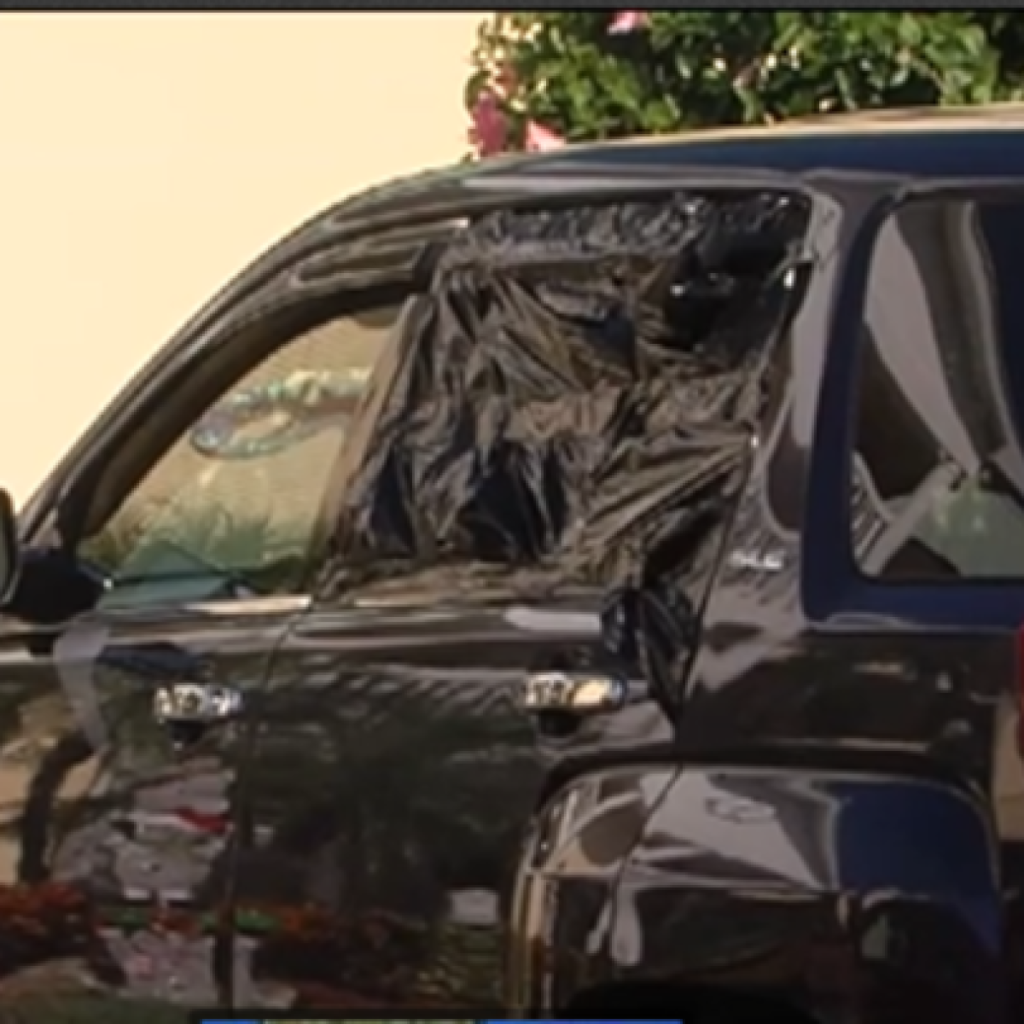
Have you ever wondered if your car alarm will go off when a window is broken? You want to protect your vehicle from theft or damage, but how reliable is that alarm system?
Understanding how car alarms work can give you peace of mind and help you take the right steps to keep your car safe. You’ll discover what really triggers your car alarm and what happens when a window is smashed. Keep reading to find out how to make sure your car stays secure, no matter what.
How Car Alarms Detect Break-ins
Car alarms use different sensors to detect if someone tries to break in. These sensors watch for unusual actions like opening doors or breaking windows.
The alarm system triggers a loud sound to scare off intruders and alert the car owner.
Sensors And Triggers
Car alarms rely on sensors to spot break-ins. Common sensors include door sensors, motion detectors, and glass break sensors. These sensors send signals to the alarm when they detect a threat.
- Door sensors detect when a door opens without a key.
- Motion detectors sense movement inside or near the car.
- Glass break sensors listen for the sound of breaking glass.
Role Of Glass Break Sensors
Glass break sensors play a key role in detecting window break-ins. They can hear the high-pitched sound of glass shattering and trigger the alarm quickly.
| Sensor Type | Detection Method | Trigger Example |
| Door Sensor | Contact switch | Door opened forcefully |
| Motion Detector | Infrared or ultrasonic | Movement inside car |
| Glass Break Sensor | Acoustic sound detection | Window glass breaking |

Credit: www.reddit.com
Types Of Car Alarm Systems
Car alarms help protect your vehicle from theft and damage. Different types of alarms work in different ways to alert you.
Understanding the types of car alarm systems can help you know how they respond if a window breaks.
Standard Alarms
Standard car alarms usually detect when doors or windows open without the key. They often include sensors on windows and doors.
- Shock sensors that trigger when the car is hit
- Door sensors that detect opening
- Glass break sensors that listen for breaking sounds
- Ignition kill switches to stop the engine
These alarms sound a loud siren if a window breaks. They warn the owner and scare off thieves.
Advanced Security Systems
Advanced systems use more technology to protect your car. They connect to your phone or use GPS tracking.
| Feature | Description |
| Smartphone Alerts | Send notifications if alarm triggers |
| GPS Tracking | Locate your car in real-time |
| Glass Break Sensors | Detect sound of glass breaking |
| Motion Sensors | Detect movement inside or near car |
| Remote Engine Shutdown | Turn off engine from a distance |
These systems often alert you immediately if a window breaks. They also help you find the car if stolen.
What Happens When A Window Breaks
When a window breaks, it can trigger a car alarm depending on the system. The alarm system uses sensors to detect sudden impacts or glass breakage.
This helps protect the vehicle by alerting the owner and scaring off intruders quickly.
Alarm Activation Scenarios
Car alarms activate in different ways when a window is broken. The most common triggers include shock sensors and glass break sensors.
- Shock sensors detect strong vibrations or impacts on the vehicle.
- Glass break sensors listen for the sound frequency of breaking glass.
- Some alarms combine both sensors for better accuracy.
- When triggered, the alarm sounds loudly and flashes lights.
False Alarms And Sensitivity
False alarms can happen if the sensitivity of sensors is set too high. Wind, passing trucks, or loud noises might cause unwanted alerts.
| Cause | Effect | Possible Solution |
| Strong wind | False alarm triggered | Lower shock sensor sensitivity |
| Loud noises nearby | Glass break sensor activated | Adjust glass break sensor threshold |
| Car vibrations | Alarm sounds unexpectedly | Use shock sensor with delay feature |
Factors Affecting Alarm Response
Car alarms react differently depending on many factors. Some parts of the alarm system affect how it senses a broken window.
Knowing these factors helps understand why some alarms go off right away while others do not.
Sensor Placement
The place where sensors are set is very important. Sensors must be near the windows or doors to detect glass breaking.
- Sensors near windows catch glass break sounds quickly.
- Sensors placed far from windows may miss the noise.
- Some cars use vibration sensors on doors and windows.
- Proper placement reduces false alarms and improves response.
Alarm System Quality
The quality of the alarm system affects how well it works. High-quality alarms use better sensors and technology.
| Quality Level | Features | Response to Window Break |
| Basic | Simple sound sensor | May delay or miss detection |
| Standard | Sound and vibration sensors | Detects most break-ins quickly |
| Advanced | Multiple sensors and smart alerts | Fast and accurate response |
Testing Your Car Alarm
Knowing if your car alarm works when a window breaks is important. Testing your alarm helps keep your vehicle safe.
Try safe methods to check your alarm without causing damage or false alarms.
Safe Testing Methods
Test your car alarm carefully to avoid harm or trouble. Use these safe ways to check if it triggers on window breakage.
- Park the car in a quiet area with permission.
- Use a glass breaker tool to simulate window break safely.
- Ask a friend to help by gently tapping the glass.
- Check if the alarm sounds immediately after tapping.
- Do not use real force that can damage your window.
- Turn the alarm off quickly after testing to avoid noise disturbance.
When To Seek Professional Help
If your alarm does not respond during testing, it may need repair. Professionals can check sensors and wiring for problems.
| Issue | Possible Cause | Professional Solution |
| Alarm does not sound | Faulty sensor or wiring | Sensor replacement or wiring repair |
| False alarms | Loose sensor or interference | Sensor recalibration or repositioning |
| Alarm sounds late | Delayed sensor response | System diagnostics and reset |
Credit: www.macanforum.com
Tips To Enhance Car Security
Car alarms often sound if a window breaks. But alarms alone may not stop thieves. You need more ways to protect your car.
This guide shares tips to improve car security. Use these ideas to keep your car safe.
Supplementary Security Devices
Adding extra devices helps protect your car better. They work with your alarm to stop theft.
Common devices include steering wheel locks and tire locks. They make it hard to drive away.
- Steering wheel lock stops the wheel from turning
- Tire lock prevents the car from moving
- GPS trackers help find your car if stolen
- Window etching makes windows less attractive to thieves
Regular Maintenance
Keep your car security system in good shape. Regular checks help it work well.
Test your alarm often. Fix any broken sensors or batteries quickly.
- Check alarm sensors monthly
- Replace alarm batteries yearly
- Clean car windows to keep sensors clear
- Update software if your car has smart security features

Credit: www.reddit.com
Frequently Asked Questions
Does Car Alarm Activate If Window Breaks?
Yes, many car alarms trigger when a window breaks. Sensors detect glass shattering and send a signal to the alarm system. This helps deter theft and alerts owners quickly to potential break-ins.
What Triggers A Car Alarm Besides Window Breakage?
Car alarms can activate from door opening, impact, vibration, or motion inside the vehicle. Some systems also respond to tilt or towing attempts. These features protect the car from various theft methods.
How Sensitive Are Car Alarms To Window Break Sounds?
Car alarms use glass break sensors tuned to specific frequencies of shattering glass. They ignore normal noises but react to loud, sharp sounds of window breakage. Sensitivity varies by alarm model and settings.
Can False Alarms Occur From Window Break Sensors?
Yes, false alarms can happen due to loud noises like thunder or construction nearby. Improper sensor installation or extreme weather can also trigger false alarms. Regular maintenance helps reduce false activations.
Conclusion
Car alarms often detect broken windows by sensing sudden impacts or glass shattering. This triggers the alarm to warn the owner and scare off thieves. Not all alarms work the same, so some may not go off immediately. Proper installation and maintenance help ensure the alarm responds quickly.
Protecting your car means understanding how your alarm works. Stay alert and keep your vehicle safe from break-ins.