Have you ever wondered if your car insurance will cover the cost of replacing your battery? It’s a question many drivers ask, especially when faced with an unexpected dead battery.
You rely on your car every day, and a sudden battery failure can disrupt your plans—and your budget. Understanding whether your insurance has your back in this situation can save you stress and money. Keep reading to find out exactly what your car insurance covers when it comes to battery replacement and how you can protect yourself from surprise expenses.

Credit: bauldinsurance.com
Car Insurance Basics
Understanding car insurance is essential before figuring out if it covers battery replacement. Insurance policies come with various terms and conditions that affect what repairs or replacements you can claim. Knowing the basics will help you make smarter decisions about your coverage and avoid surprises when you need it most.
Types Of Coverage
Car insurance usually includes several types of coverage. The most common are:
- Liability Coverage:Pays for damages or injuries you cause to others.
- Collision Coverage:Covers damage to your car from accidents.
- Comprehensive Coverage:Protects against non-collision events like theft, vandalism, or natural disasters.
- Personal Injury Protection:Covers medical expenses for you and passengers.
- Uninsured/Underinsured Motorist Coverage:Helps when the other driver lacks adequate insurance.
Each type serves a specific purpose, and your car insurance policy may include some or all of these options. Have you checked which ones you have?
What Car Insurance Typically Covers
Most car insurance policies focus on damage caused by accidents or external events. They generally cover repairs or replacements resulting from crashes, theft, or weather damage.
However, regular wear and tear, including issues like battery failure, are usually not covered. This is because batteries degrade over time and are considered maintenance items.
Think about the last time your car battery died—did you expect insurance to cover it? Probably not, since it’s more like replacing brake pads or tires.
Still, certain situations might qualify, such as if the battery was damaged during an accident. Always review your policy or ask your insurer to clarify what’s included.
Credit: www.spinny.com
Battery Replacement Costs
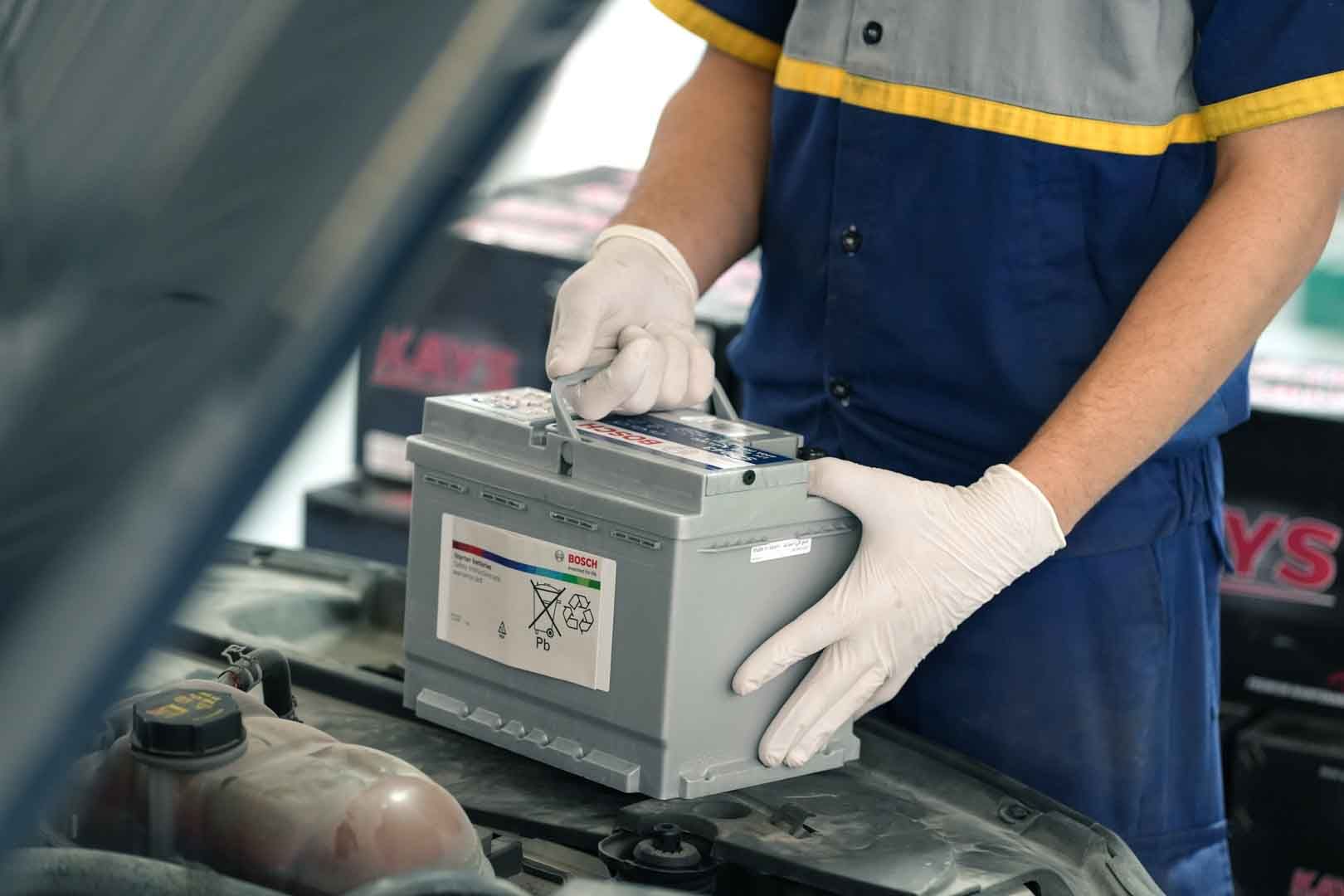
Car insurance usually does not cover battery replacement costs. Battery damage is seen as normal wear and tear. Checking your policy helps understand what is covered.
Understanding battery replacement costs is essential for every car owner. When your car refuses to start on a chilly morning or during a busy day, a dead battery often takes the blame. The expenses related to replacing it can be surprising. Let’s dive into the costs you might face when swapping out your car’s battery.Average Prices For Car Batteries
The price of a car battery can range significantly. On average, you might spend anywhere from $50 to $200. For instance, a standard lead-acid battery often falls on the lower end, while advanced AGM batteries sit at the higher end. These costs can vary based on the type and brand of the battery. High-performance vehicles or those with more electronics might require pricier batteries.Factors Affecting Battery Costs
Several factors influence how much you’ll pay for a new battery. – Battery Type: Lead-acid, AGM, and lithium-ion batteries have different price points. – Brand: Established brands like DieHard or Optima might cost more but offer reliability. – Warranty: Longer warranties could mean higher initial costs but offer peace of mind. Location and the time of year can also impact prices. In colder climates, demand spikes during winter, sometimes driving prices up. Have you thought about whether opting for a more expensive battery could save money in the long run? Sometimes, paying a bit more upfront can reduce future headaches and save money over time.Insurance Coverage For Batteries
Understanding whether your car insurance covers battery replacement can save you from unexpected expenses. Batteries are vital for your vehicle’s operation, but they often wear out due to normal use or unforeseen issues. Knowing what your insurance policy includes helps you plan repairs and avoid surprises.
Standard Policies And Battery Coverage
Most standard car insurance policies focus on collision, liability, and comprehensive coverage. Typically, these policies do not include routine wear and tear items like batteries. This means that if your battery dies simply from age or regular use, your insurance usually won’t pay for a replacement.
However, some policies may offer add-ons or optional coverages that include battery replacement. It’s worth checking your policy details or asking your insurer directly. Sometimes, extended warranties or mechanical breakdown insurance can cover battery issues.
When Battery Replacement Is Covered
Your insurance might cover battery replacement if the damage results from a covered event. For example, if your battery is damaged in an accident or due to vandalism, comprehensive coverage may pay for the replacement. Similarly, if a natural disaster like flooding ruins your battery, you could be eligible for a claim.
It’s important to document the cause of battery failure clearly. Without proof of a covered event, your claim may be denied. Have you ever faced a situation where your insurer rejected a claim because the damage cause wasn’t clear?
Situations Excluded From Coverage
Insurance rarely covers battery replacement if the failure is due to poor maintenance or normal aging. For instance, leaving your headlights on and draining the battery won’t be covered. Also, gradual battery wear from long-term use is excluded as it’s considered part of regular vehicle upkeep.
Another common exclusion is if the battery dies because of electrical system problems unrelated to an accident. In these cases, you must pay for the replacement yourself or through a warranty. Knowing these exclusions helps you decide if investing in extra coverage is worth it for your peace of mind.
Alternative Options For Battery Costs
Battery replacement can catch you off guard with unexpected expenses. While car insurance rarely covers battery costs, there are other ways to manage or reduce the financial impact. Understanding alternative options can save you time and money when your car battery dies.
Roadside Assistance Plans
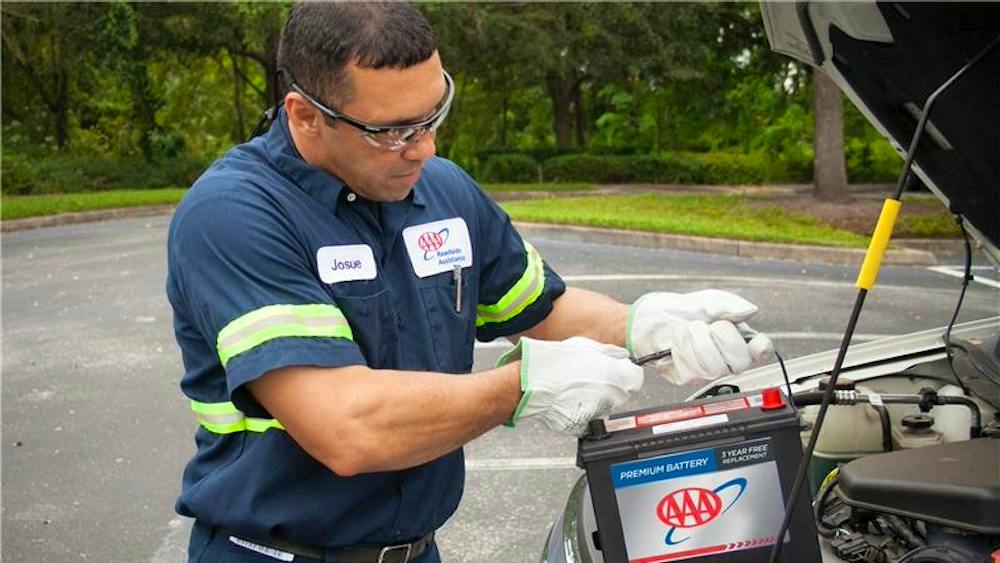
Roadside assistance plans often include battery jump-start services. If your battery dies, these plans can send help right to your location, sometimes at no extra cost. Some providers even offer battery replacement discounts or direct replacement services.
Do you already have a roadside plan through your insurance or an auto club? Check what battery-related services are included before an emergency strikes. This can help you avoid paying full price for a new battery or towing.
Manufacturer Warranties
Many new cars come with battery warranties that last several years. These warranties typically cover defects or premature failures, so you might get a free replacement if your battery fails early. However, regular wear and tear usually isn’t covered.
Have you checked your vehicle’s warranty details? Knowing the battery warranty period can help you decide if you should pursue a replacement through the manufacturer or pay out of pocket.
Extended Vehicle Warranties
Extended warranties or service contracts can cover battery replacement, depending on the plan. These are especially useful if your original warranty has expired and you want extra peace of mind. Costs vary, so weigh the price against potential repair bills.
Consider whether your extended warranty makes sense for your car’s age and condition. Sometimes, paying for coverage upfront saves you from surprise expenses later, including battery issues.
How To Handle Battery Issues With Insurance
Dealing with a dead car battery can be frustrating, especially when you wonder if your insurance will help cover the cost. Understanding how to handle battery issues with your insurance can save you time and money. Knowing the right steps to take can make the process smoother and help you avoid surprises.
Filing A Claim For Battery Replacement
First, check if your car insurance policy covers battery replacement. Many standard policies don’t include it unless you have roadside assistance or a specific add-on.
If coverage applies, contact your insurer immediately after the battery failure. Explain the situation clearly and ask about the claim procedure for battery-related issues.
Keep your communication focused and prompt. Delays or vague information can lead to claim denials or longer processing times.
Documentation Needed
Gather all necessary documents before filing your claim. This usually includes:
- Proof of purchase or invoice for the new battery
- A report from a mechanic or roadside assistance service confirming the battery failure
- Photos of the old battery and installation, if possible
- Your insurance policy details
Having these documents ready can speed up the claim review. It also shows your insurer that you are organized and serious about the claim.
Tips To Avoid Claim Denials
Understand your policy’s limits and coverage thoroughly. Does it cover only accidents or also mechanical failures like a dead battery?
Be honest and accurate when describing the issue. Inflating damages or providing incomplete information can lead to rejections.
Consider regular battery maintenance and keep receipts. This proves you take good care of your vehicle, which insurers appreciate.
Have you ever faced a claim denial? What did you learn from it that helped you next time?
Credit: www.cartalk.com
Preventing Battery Problems
Battery problems can strike at the worst moments, leaving you stranded and frustrated. Preventing these issues starts long before your car refuses to start. Paying attention to your battery’s health helps avoid unexpected breakdowns and costly replacements.
Maintenance Tips
Keep your battery clean by wiping off any dirt or corrosion on the terminals. Corrosion can block the flow of electricity and shorten your battery’s life.
Check the battery’s charge regularly, especially before winter or long trips. Use a voltmeter or visit a mechanic to test the battery’s strength.
Make sure your car’s electrical system is in good shape. Faulty alternators or loose connections can overwork the battery and cause early failure.
Signs Of A Failing Battery
Does your engine crank slower than usual? This is often the first sign your battery is weakening.
Look for dim headlights or flickering dashboard lights—they indicate low battery power.
If your car struggles to start in cold weather, it’s a warning that the battery may be losing capacity. Have you noticed any of these signs lately? Catching them early can save you from a roadside emergency.
Frequently Asked Questions
Does Car Insurance Cover Battery Replacement Costs?
Most standard car insurance policies do not cover battery replacement costs. Battery issues are usually considered maintenance, not damage from an accident or theft. However, some comprehensive plans or roadside assistance add-ons may offer limited coverage for battery-related emergencies.
Can Roadside Assistance Include Battery Jump-start Services?
Yes, many roadside assistance plans include jump-start services for dead batteries. This service helps you start your car if the battery is drained. It does not cover battery replacement but can save you from being stranded.
Will Comprehensive Insurance Cover Battery Damage?
Comprehensive insurance covers damages from theft, vandalism, or natural disasters. If the battery is damaged due to these causes, replacement might be covered. Normal wear or mechanical failure of the battery is not included.
Are Battery Replacements Covered Under Warranty Or Insurance?
Battery replacements are typically covered under the car manufacturer’s warranty or a separate battery warranty. Insurance rarely covers battery replacements unless linked to an accident or covered event.
Conclusion
Car insurance usually does not cover battery replacement. Batteries wear out from normal use. Replacing a battery is often your responsibility. Some special policies might offer limited help. Always check your insurance details carefully. Keeping your battery healthy can save money.
Regular car maintenance prevents sudden battery failure. Knowing your coverage helps avoid surprise costs. Battery care is simple but important. Stay informed and protect your vehicle wisely.