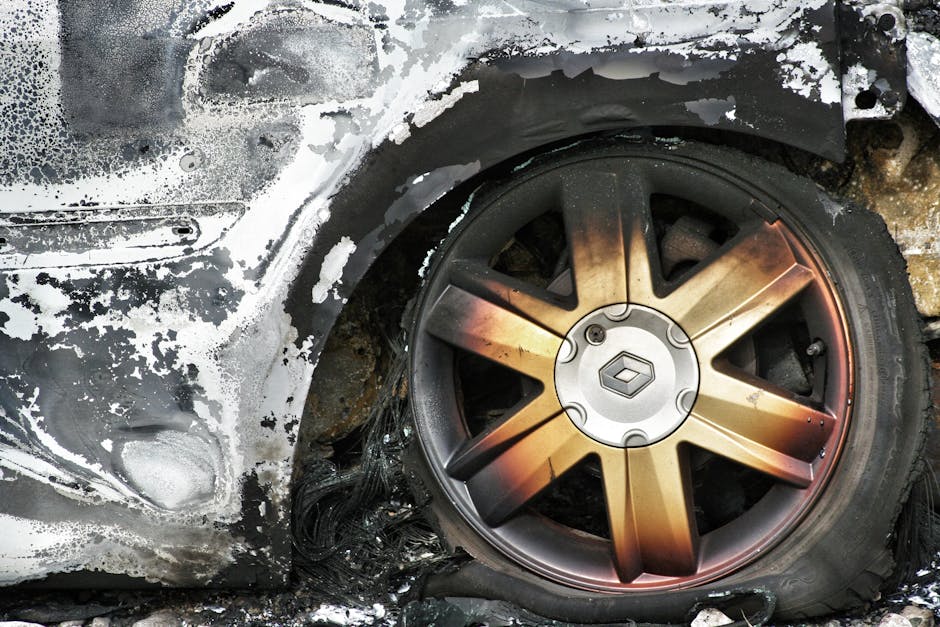
Have you ever wondered if your car insurance will help when your tires get damaged? Tires are a crucial part of your vehicle, but many people don’t know if they’re covered under their policy.
What happens if you hit a pothole or get a flat tire? Will you have to pay out of pocket, or can your insurance step in? Keep reading, because understanding how tire coverage works could save you time, money, and a lot of stress on the road.
Let’s clear up the confusion and help you know exactly what to expect.
Types Of Car Insurance Coverage
Car insurance helps protect you from financial loss after accidents or damage. Different coverage types cover different risks.
Understanding these coverage types can help you know what is and isn’t covered, like tires.
Liability Coverage
Liability coverage pays for damage you cause to others. It covers injuries and property damage.
This coverage does not pay for your own car repairs or tire damage.
Collision Coverage
Collision coverage pays to fix your car after an accident. It helps if you hit another vehicle or object.
It may cover tire damage caused by a crash but not normal tire wear or flat tires.
Comprehensive Coverage
Comprehensive coverage protects your car from non-accident damage. It covers theft, vandalism, fire, and weather damage.
This coverage sometimes pays for tire damage if caused by covered events like theft or fire. It does not cover tire wear or punctures.
Uninsured Motorist Coverage
This coverage protects you if an uninsured driver hits your car. It pays for injuries and damage caused by that driver.
It can help pay for tire damage after an accident with an uninsured motorist. It does not cover tire problems unrelated to a crash.

Credit: www.youtube.com
Tire Damage And Insurance
Tires can get damaged from many causes. Some damage is covered by insurance. Other times, it is not.
Knowing what causes tire damage helps you understand your coverage. This guide explains common causes and insurance details.
Common Causes Of Tire Damage
Tires often get damaged from impacts and wear. Some causes are simple and easy to avoid.
- Hitting potholes or curbs
- Sharp objects like nails or glass
- Over or under inflation of tires
- Worn out tread from long use
- Sudden temperature changes
When Tires Are Covered
Insurance covers tire damage in some cases. Usually, it depends on your policy type and cause.
| Type of Coverage | When Tires Are Covered |
| Comprehensive | Damage from theft, vandalism, or weather |
| Collision | Damage from hitting objects or accidents |
| Roadside Assistance | Flat tire repair or replacement help |
| Liability | Usually does not cover tire damage |
When Tires Are Not Covered
Some tire damage is not covered by insurance. This often includes normal wear and poor maintenance.
- Flat tires from nails or debris without collision
- Wear and tear from regular driving
- Damage from neglect, like low air pressure
- Damage caused by racing or off-road use
Roadside Assistance And Tire Services
Car insurance sometimes includes roadside assistance. This can help with tire problems. It offers help if you get a flat tire on the road.
Roadside services make travel safer. They support drivers by fixing tire issues or towing the car if needed.
Tire Change Services
If your tire goes flat, insurance roadside assistance can send help. A technician may come to change the tire. This saves you time and effort.
- Flat tire repair or replacement on site
- Assistance with spare tire installation
- Help with tire pressure checks
- Advice on tire maintenance and safety
Towing And Emergency Help
If the tire damage is too bad to fix on site, towing is the next step. Insurance roadside assistance covers towing to a repair shop. They also provide help in other emergencies.
| Service | What It Covers | When to Use |
| Towing | Transport your car to a repair shop | Severe tire damage or other breakdowns |
| Emergency Fuel Delivery | Bring fuel if you run out | Out of gas on the road |
| Lockout Service | Help if you lock keys inside the car | Lost or locked keys |
| Battery Jumpstart | Start your car if the battery dies | Dead battery situations |
Factors Affecting Tire Coverage
Car insurance policies vary in how they cover tire damage. Some policies include tire protection, while others do not.
Understanding the factors that affect tire coverage helps you know what to expect from your insurance.
Policy Terms And Conditions
Your insurance policy’s terms and conditions define if tires are covered. Some policies exclude tires from coverage.
Read your policy carefully to see if tire damage is included or if you need extra coverage.
Type Of Tire Damage
Insurance may cover certain types of tire damage but not others. Common covered damages include:
- Punctures from road debris
- Damage from accidents
- Blowouts caused by defects
Wear and tear or gradual damage usually is not covered by insurance.
Deductibles And Limits
| Coverage Aspect | Details |
| Deductible | The amount you pay before insurance pays |
| Coverage Limit | Maximum amount insurance will pay for tire damage |
| Additional Costs | Some policies exclude tire replacement costs |
Check your deductible and coverage limits to understand your out-of-pocket costs for tire repairs or replacement.
Alternatives To Insurance For Tire Protection
Car insurance usually does not cover tire damage. Tires wear out or get damaged in many ways. There are other options to protect your tires without insurance.
These alternatives help save money and keep your tires in good shape. They offer coverage or advice for tire problems.
Tire Warranties
Tire warranties come from the manufacturer. They cover defects and sometimes early wear. Warranties last for a set time or miles driven.
Check warranty terms before buying tires. Some warranties cover repair or replacement. Others only offer partial refunds.
- Coverage for defects in materials or workmanship
- Limited coverage for tread life
- May exclude damage from road hazards
- Usually lasts 3 to 6 years
Road Hazard Protection Plans
Road hazard plans cover tire damage from things like nails or potholes. They do not cover normal wear or neglect. These plans come from tire shops or third parties.
They often pay for repairs, replacements, or balancing. Plans vary in length and cost. They help avoid big repair bills after tire damage.
- Repair or replace tires damaged on the road
- Usually valid for a few years
- May cover mounting and balancing costs
- Not included in most car insurance policies
Maintenance Tips To Avoid Damage
Good tire care reduces the chance of damage. Check tires often for wear and pressure. Proper care helps tires last longer.
Follow simple steps to keep tires safe. This lowers costs and keeps your ride smooth.
- Check tire pressure monthly
- Rotate tires every 5,000 to 7,000 miles
- Inspect tires for cuts, nails, or cracks
- Avoid hitting curbs and potholes
- Replace tires before tread is too low

Credit: www.youtube.com
How To File A Tire Damage Claim
Filing a tire damage claim can help cover repair or replacement costs. Knowing the correct steps makes the process smooth.
This guide explains what to do after tire damage, what documents to collect, and how to work with your insurer.
Steps To Take After Damage
- Move your car to a safe place if possible.
- Take photos of the damaged tire and surrounding area.
- Check if the tire can be temporarily fixed to drive safely.
- Contact your insurance company to report the damage.
- Follow any instructions given by your insurer.
Documentation Needed
| Document | Purpose |
| Photos of Tire Damage | Show extent of damage |
| Insurance Policy | Verify coverage details |
| Repair Estimate | Provide repair costs |
| Police Report (if any) | Support claim if accident involved |
| Receipts for Repairs | Proof of payment |
Working With Your Insurer
Call your insurer’s claims department and provide all needed information. Be clear and honest about the damage.
- Keep records of all communications.
- Ask about claim timelines and next steps.
- Schedule an inspection if required.
- Submit all documents promptly to avoid delays.
- Review the claim decision carefully.

Credit: lainsurance.com
Frequently Asked Questions
Does Car Insurance Cover Tire Damage?
Car insurance typically does not cover tire damage unless it’s caused by an accident. Comprehensive coverage might help if tires are damaged due to theft or vandalism. Always check with your insurer for specific coverage details and consider additional tire protection plans if needed.
Will Insurance Pay For Flat Tires?
Flat tires are usually considered normal wear and tear and are not covered by insurance. However, if a flat tire results from an accident covered by your policy, it might be included. Roadside assistance plans can often help with flat tire repairs or replacements.
Are Tires Covered Under Comprehensive Insurance?
Comprehensive insurance might cover tire damage if it’s due to theft, fire, or vandalism. It does not cover regular wear and tear. Always review your policy details to understand what specific situations are covered and consult with your insurance provider for clarification.
Can I Claim Insurance For Tire Punctures?
Insurance does not generally cover tire punctures as they fall under regular maintenance. However, if the puncture is from an accident or vandalism, you might be eligible for a claim. Check your policy terms and consider a tire protection plan for additional coverage.
Conclusion
Car insurance usually does not cover tire damage. Tires wear out from normal use and need replacement. Some policies may cover tires if damaged by an accident. Road hazards like potholes or nails might be included in special plans. It helps to check your insurance details carefully.
Knowing what is covered can save money and stress. Consider separate tire protection if you want extra safety. Keep tires in good shape to avoid unexpected costs. Understanding coverage helps you make smart choices for your car. Tires matter for safety and smooth driving.