Are you wondering if your trusty cast iron cookware is compatible with your sleek new induction cooktop? You’re not alone.
Many home cooks are curious about this very topic. The good news is that the answer might be simpler than you think. We’ll explore whether cast iron can be a part of your induction cooking experience. You’ll learn about the science behind induction cooktops and how your favorite cast iron pans fit into the picture.
Stick around, because understanding this could transform the way you cook at home, making meal preparation easier and more efficient. Let’s dive in and uncover the truth about cast iron and induction cooktops.
How Induction Cooktops Work
Induction cooktops heat cookware using magnetic energy instead of direct flames or electric coils. This makes cooking faster and more energy-efficient. Understanding how induction cooktops work helps to know which cookware suits them best.
Magnetic Field Basics
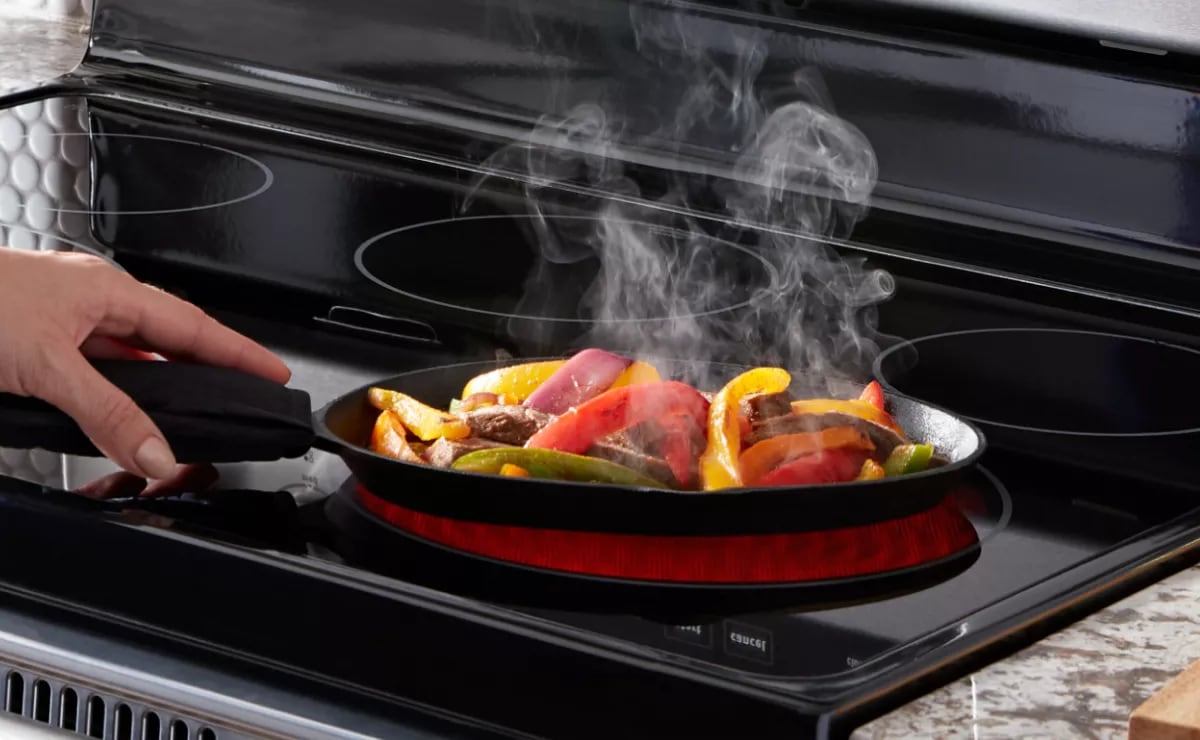
Induction cooktops create an alternating magnetic field below the cooking surface. This magnetic field induces electric currents in the cookware placed above it. These currents generate heat directly inside the cookware. The cooktop itself stays cool because heat comes from the cookware, not the surface.
Cookware Compatibility
Cookware must be magnetic to work with induction cooktops. Materials like cast iron and some stainless steels react to the magnetic field. Non-magnetic materials like aluminum, copper, or glass do not heat up on induction surfaces. Using the right cookware ensures fast and even heating on induction cooktops.
Cast Iron Properties
Cast iron is a popular choice for cooking due to its unique properties. These properties make it compatible with various cooktops, including induction. Understanding these traits helps explain why cast iron works well with induction cooktops.
Magnetic Nature
Cast iron contains iron, which is magnetic. Induction cooktops use magnetic fields to create heat. The magnetic nature of cast iron allows it to react to these fields. This reaction generates heat directly in the pan. Other materials without magnetic properties will not work on induction cooktops. This makes cast iron one of the best options for induction cooking.
Heat Retention
Cast iron holds heat very well. Once hot, it stays hot for a long time. This helps cook food evenly and maintain temperature. Heat retention also saves energy by reducing the need for constant heat. It makes cooking on induction more efficient and consistent. The thick walls of cast iron pans contribute to this property.
Cast Iron And Induction Compatibility
Cast iron is a popular choice for many cooks due to its excellent heat retention and durability. But if you have an induction cooktop, you might wonder if your trusty cast iron pans will work. Understanding how induction cooking interacts with cast iron can help you get the best performance from your cookware.
Why Cast Iron Works
Induction cooktops heat pots and pans through magnetic fields. Cast iron is naturally magnetic, which makes it compatible with induction technology.
This means your cast iron skillet will heat quickly and evenly on an induction cooktop. The heavy weight of cast iron also helps it sit securely on the glass surface, preventing slipping or wobbling while cooking.
One thing I noticed is that cast iron retains heat longer than stainless steel, so your food continues cooking even after you turn off the burner. This can be a useful feature if you like slow-cooked dishes or need to keep food warm.
Common Issues To Watch
Although cast iron works well with induction, there are some challenges to be aware of.
- Scratching the Cooktop:Cast iron pans are heavy and often have rough bottoms. This can scratch the smooth glass surface if you slide them around. To avoid this, lift the pan instead of dragging it.
- Slow Temperature Changes:Cast iron heats and cools slowly. If you need rapid temperature adjustments, it might take some time for the pan to respond.
- Uneven Bottoms:Some cast iron pans have slightly warped bottoms, causing poor contact with the cooktop. This can reduce heating efficiency and create hot spots.
Have you experienced any of these issues with your cast iron on induction? Sharing your tips can help others avoid common pitfalls and enjoy cooking more.
Benefits Of Using Cast Iron On Induction
Using cast iron cookware on an induction cooktop brings several benefits that can enhance your cooking experience. Cast iron pairs naturally well with induction technology because of its magnetic properties, making it a reliable choice for many home cooks. Let’s look at how cast iron stands out when used on induction cooktops and why it might be the right fit for your kitchen.
Even Heating
Cast iron heats up slowly but retains heat exceptionally well, providing a consistent cooking temperature. This even heating means your food cooks uniformly without hot spots, which can be a problem with other materials on induction. Have you ever noticed how some pans burn food in certain areas? Cast iron helps you avoid that issue and gives you more control over your cooking.
Durability
One of the biggest advantages of cast iron is its toughness. These pans can last for decades if cared for properly, standing up to high heat and heavy use without warping. If you want cookware that can handle daily cooking on your induction cooktop without showing wear quickly, cast iron is an excellent choice.
Versatility
Cast iron cookware works well on induction, but it doesn’t stop there. You can use it on various heat sources including ovens, grills, and campfires. This versatility means you can start a dish on your induction cooktop and finish it in the oven without changing pans, saving time and cleanup. Have you tried making a skillet cornbread or searing steaks on your induction cooktop with cast iron? It’s a game changer.
Potential Drawbacks
Cast iron pans work well with induction cooktops but have some drawbacks. These factors might affect your cooking experience and kitchen care.
Weight Concerns
Cast iron cookware is heavy. It can strain your wrist during cooking. Moving the pan on the cooktop may be difficult. The heavy weight might scratch or damage the induction surface if handled roughly.
Surface Scratches
The rough bottom of cast iron can scratch the smooth induction glass. Dragging the pan instead of lifting it increases this risk. Over time, these scratches may dull the cooktop’s appearance. It is best to lift and place the pan carefully.
Heating Speed
Cast iron heats slower than other metals. It takes time to warm up on an induction stove. This slower heating can affect quick cooking tasks. Once hot, cast iron holds heat well, which suits slow cooking but not fast meals.
Credit: www.maytag.com
Tips For Using Cast Iron With Induction
Using cast iron on an induction cooktop requires some care. Following simple tips will help you get the best cooking results. Proper handling also extends the life of your cast iron cookware and your cooktop.
Preheating Techniques
Preheat cast iron slowly on low heat. Avoid placing a cold pan directly on high heat. This prevents warping and uneven heating. Let the pan warm gradually for a few minutes. You will get better heat distribution and avoid hot spots.
Cleaning And Maintenance
Clean cast iron with warm water and a soft brush. Avoid soap or harsh detergents that remove the seasoning. Dry it immediately to stop rust from forming. Apply a thin layer of oil after each use. This keeps the surface smooth and non-stick.
Avoiding Damage
Never drag cast iron across the cooktop surface. Lift the pan to prevent scratches on the induction glass. Avoid sudden temperature changes, such as rinsing a hot pan with cold water. Use wooden or silicone utensils to protect the seasoning. These steps prevent damage to both your cookware and cooktop.
Alternatives To Cast Iron For Induction
If you’re looking for alternatives to cast iron for your induction cooktop, there are several excellent options that deliver similar benefits without some of cast iron’s drawbacks. Whether you want something lighter or easier to maintain, these choices can fit different cooking styles and preferences. Let’s break down some practical alternatives that work well with induction technology.
Stainless Steel Options
Stainless steel cookware is a popular choice for induction cooking because it’s durable, lightweight, and often dishwasher-safe. Not all stainless steel pans work on induction, though—look for those labeled “induction compatible” or with a magnetic base. I once switched to a high-quality stainless steel set, and it heated evenly without the heavy feel of cast iron.
One tip: choose multi-ply stainless steel pans with an aluminum or copper core. This improves heat distribution and reduces hot spots, making your cooking more consistent.
Enameled Cast Iron
Enameled cast iron offers the heat retention and durability of traditional cast iron but with an easy-to-clean, rust-resistant coating. It works perfectly on induction cooktops and doesn’t require seasoning like bare cast iron. If you want the benefits of cast iron without the hassle of maintenance, enameled versions might be your best bet.
Plus, the colorful enamel finish adds a stylish touch to your kitchen. Have you ever noticed how many chefs swear by these for slow-cooked dishes and searing?
Other Compatible Materials
Besides stainless steel and enameled cast iron, several other materials work well with induction. These include:
- Carbon steel:Lighter than cast iron, heats quickly, and develops a natural non-stick surface with use.
- Copper pans with magnetic bases:Great for precise temperature control but can be pricey.
- Ceramic-coated cookware:Some are induction-compatible; check for a magnetic base before buying.
Have you experimented with any of these materials on your induction cooktop? Sometimes trying a few different types can help you find the perfect fit for your cooking habits and kitchen setup.

Credit: karinearappliances.com
Choosing The Right Cast Iron Cookware
Choosing the right cast iron cookware is essential for efficient cooking on an induction cooktop. Cast iron works well with induction because it has magnetic properties. However, not all cast iron pans are the same. Picking the right size, weight, and surface finish can improve your cooking experience.
Size And Weight
Select cast iron cookware that fits your cooktop and cooking needs. Smaller pans heat quickly and are easier to handle. Larger pans hold more food but can be heavy. Heavy pans provide even heat but may tire your wrists. Choose a size and weight that feels comfortable and suits your kitchen space.
Surface Finish
Cast iron comes in two main finishes: smooth and rough. Smooth surfaces heat evenly and are easier to clean. Rough surfaces create a natural non-stick layer but need more seasoning. Consider how much care and maintenance you want to give your cookware. A smooth finish suits beginners better.
Brands To Consider
- Lodge – Known for durable and affordable cast iron pans.
- Le Creuset – Offers enameled cast iron with vibrant colors.
- Staub – Popular for its smooth finish and excellent heat retention.
- Victoria – Provides budget-friendly, pre-seasoned cast iron cookware.
These brands offer quality options designed to work well on induction cooktops. Choose a brand that fits your budget and style.
Credit: www.whirlpool.com
Frequently Asked Questions
Does Cast Iron Work On Induction Cooktops?
Yes, cast iron works perfectly on induction cooktops. Its magnetic properties allow it to heat efficiently and evenly on induction surfaces.
Why Is Cast Iron Ideal For Induction Cooking?
Cast iron is ideal because it has excellent magnetic conductivity. It retains heat well, providing consistent cooking temperatures on induction cooktops.
Can Cast Iron Damage Induction Cooktops?
No, cast iron won’t damage induction cooktops. However, avoid dragging heavy pans to prevent scratching the glass surface.
How To Use Cast Iron Safely On Induction Cooktops?
Use low to medium heat to prevent overheating. Always lift pans instead of sliding to protect the cooktop surface.
Conclusion
Cast iron works well with induction cooktops because it is magnetic. It heats evenly and keeps temperature steady. You should check the bottom of the pan for flatness. A flat surface improves contact with the cooktop. Cast iron may take longer to heat but holds heat longer.
It suits many cooking styles like frying, searing, and simmering. Use care when handling cast iron to avoid scratching the cooktop. Overall, cast iron is a good choice for induction cooking. It combines durability with excellent heat performance.