Are you wondering if caviar needs to be kept cold? You might have heard different advice about storing this luxury delicacy, and it can be confusing.
The way you handle caviar affects its taste, texture, and safety. If you want to enjoy every bite at its best, knowing how to store it properly is key. Keep reading to discover the simple truth about refrigerating caviar and how to make sure it stays fresh for your next indulgence.
Caviar Basics
Caviar is often seen as a luxury treat, but understanding its basics can help you enjoy it the right way. Knowing the different types and how long it lasts makes a big difference in preserving its delicate flavors. Before you decide how to store your caviar, get familiar with what you’re dealing with.
Types Of Caviar
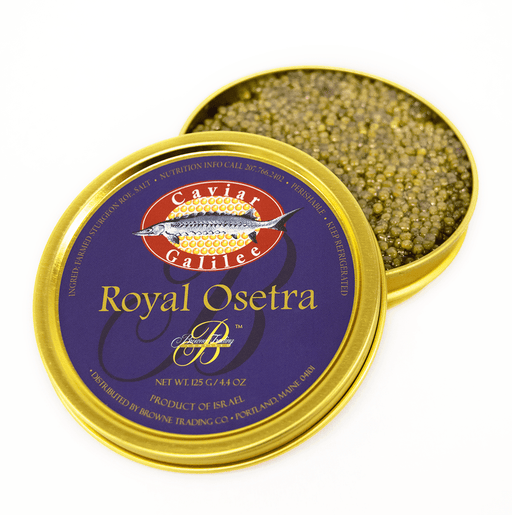
Caviar isn’t just one thing; it comes from various fish species, each with unique taste and texture. The most prized is Beluga, known for its large, soft eggs and buttery flavor. Then there’s Osetra, offering a nutty taste and medium-sized eggs, and Sevruga, which has smaller eggs and a stronger flavor.
Besides these, you can find caviar from salmon, trout, and even whitefish, usually more affordable but still delicious. Knowing the type of caviar you have helps you decide how to treat and store it.
Shelf Life Factors
Freshness is key with caviar, but how long it lasts depends on several things. Packaging plays a big role—vacuum-sealed tins keep caviar fresh longer than jars exposed to air. The amount of salt also matters; higher salt content acts as a preservative.
Temperature is crucial. If caviar warms up, it quickly loses its taste and texture. Have you ever left caviar out too long and noticed a change? That’s why keeping it cool is often necessary to maintain its quality.
Credit: brownetrading.com
Why Refrigeration Matters
Refrigeration is essential for keeping caviar in its best condition. It helps maintain the delicate flavors and texture that make caviar special. Without proper cooling, the quality quickly declines. Understanding why refrigeration matters can help you enjoy caviar at its freshest.
Temperature And Freshness
Caviar needs to be stored at very cold temperatures, ideally between 28°F and 32°F (-2°C to 0°C). This range slows down bacterial growth and natural changes in the eggs. Cold temperatures keep the caviar firm and prevent it from becoming mushy. Proper refrigeration also preserves the rich, salty taste that caviar is known for.
Risks Of Improper Storage
Storing caviar at room temperature or in warm places causes it to spoil fast. Harmful bacteria can grow, making the caviar unsafe to eat. The texture turns soft and the flavor becomes sour or bitter. Spoiled caviar loses its shine and may develop an off smell. Eating bad caviar can lead to food poisoning and stomach problems.
Ideal Storage Conditions
Storing caviar properly is key to preserving its delicate flavor and texture. Understanding the ideal storage conditions helps you enjoy every spoonful at its freshest. Let’s take a closer look at the factors that keep caviar in perfect shape.
Optimal Temperature Range
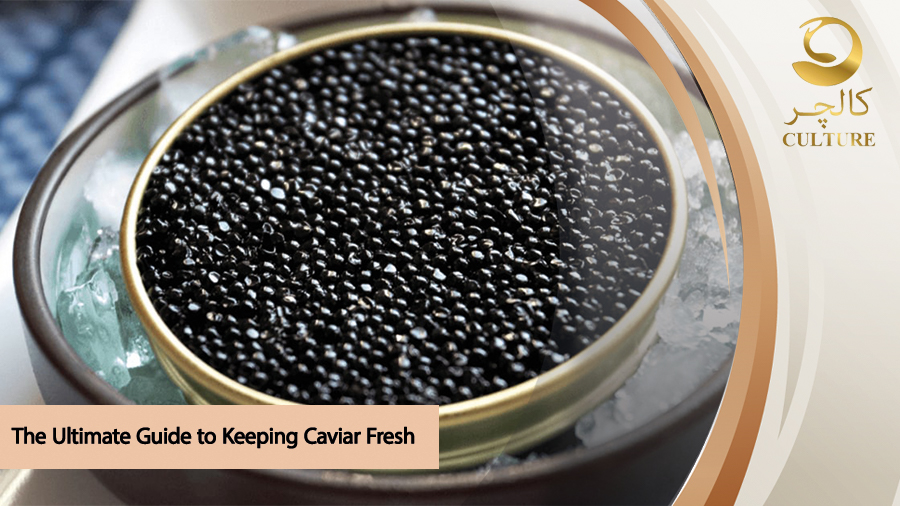
Caviar is best kept chilled, but not frozen. The ideal temperature falls between 28°F and 32°F (-2°C to 0°C). This keeps the eggs firm and prevents spoilage without damaging their texture.
Have you ever tried keeping caviar in a regular fridge compartment? You might notice it loses its subtle taste quickly. That’s because most refrigerators maintain temperatures above 34°F (1°C), which is slightly too warm for caviar.
If you don’t have a specialized caviar fridge, the coldest spot in your fridge is usually near the back or bottom shelves. Avoid storing caviar near the freezer door or vegetable drawers where temperatures fluctuate more.
Humidity And Light Considerations
Humidity plays a subtle but important role. Too much moisture can affect the texture, while too little can dry out the caviar. Ideally, you want to keep caviar in a sealed container to protect it from humidity changes.
Light exposure also impacts quality. Direct light can break down the delicate fats in caviar and cause it to spoil faster. Store your caviar in a dark place or use opaque containers to block out light.
Have you noticed how your caviar tastes different after sitting out on a sunny table? That’s your cue to keep it away from bright environments. Proper storage protects both flavor and nutritional value.
Credit: culturecaviar.com
Storage Tips For Opened Caviar
Proper storage is crucial to keep opened caviar fresh and tasty. Once opened, caviar begins to lose its texture and flavor quickly. Storing it correctly slows down this process and preserves its delicate quality. Follow these tips to maintain the best taste and safety of your caviar after opening.
Sealing And Containers
Always use an airtight container for opened caviar. Avoid using the original tin once opened, as it may not seal well. Transfer the caviar to a glass or plastic container with a tight-fitting lid. Press a piece of plastic wrap directly onto the surface of the caviar before sealing. This prevents air exposure and keeps the eggs moist.
Keep the container in the coldest part of the refrigerator. Usually, the back of the bottom shelf is best. Never store caviar near strong-smelling foods. The eggs can absorb odors easily.
How Long It Lasts After Opening
Opened caviar lasts only a short time. Consume it within 2 to 3 days for the best flavor and texture. After this period, the eggs may become dry and lose their delicate taste. Always check for any off smells or discoloration before eating.
Do not freeze opened caviar. Freezing damages the texture and causes the eggs to burst. Keep it chilled and sealed tightly to enjoy every bite fresh and delicious.
Traveling With Caviar
Traveling with caviar requires special care to keep it fresh and safe to eat. Caviar is delicate and must stay cold during transit. Proper handling ensures the flavor and texture remain intact. Without the right conditions, caviar can spoil quickly.
Maintaining Cold Chain
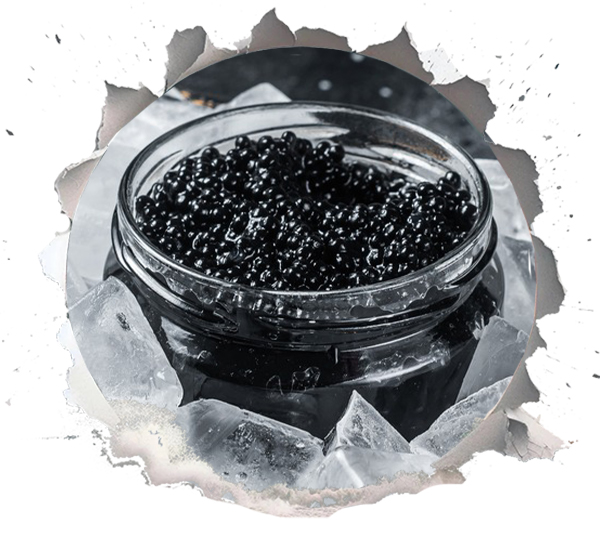
Keeping caviar cold is essential. The cold chain means keeping it at a low, consistent temperature. This prevents bacteria growth and preserves taste. Use coolers or insulated bags with ice packs. Avoid letting the temperature rise above 28°F (-2°C). Monitor the temperature regularly during travel. Quick trips need less cooling, but longer trips need extra care.
Packaging Solutions
Good packaging protects caviar from heat and damage. Vacuum-sealed containers are ideal to keep air out. Use insulated boxes with gel ice packs or dry ice. Label the package as perishable and fragile. Choose packaging that fits the caviar tin snugly. This prevents movement and reduces the risk of breaking the tin. Always check airline or courier rules about transporting caviar safely.
Credit: culturecaviar.com
Alternative Storage Methods
Storing caviar properly ensures its delicate flavors last longer. While refrigeration is the best choice, some explore other ways to keep it fresh. These alternatives vary in effectiveness and risks. Understanding each helps protect your caviar’s quality.
Freezing Caviar
Freezing caviar can preserve it for months. Yet, freezing may change the texture. The eggs might become softer and lose their pop. Use the coldest freezer setting possible. Keep the caviar in an airtight container. Thaw it slowly in the fridge before serving. Avoid refreezing once thawed to maintain quality.
Room Temperature Storage Myths
Some believe caviar stays fresh at room temperature. This is false for most types. Warmth speeds up spoilage and bacteria growth. Caviar left out can develop off-flavors quickly. Only pasteurized or specially treated caviar can last longer without refrigeration. Always check packaging instructions before skipping the fridge.
Signs Of Spoiled Caviar
Knowing the signs of spoiled caviar helps keep your food safe and tasty. Caviar is delicate and can spoil quickly without proper care. Spotting changes early prevents eating bad caviar that could harm your health. Watch for clear signs in how the caviar looks, smells, and tastes. These clues tell you if it’s time to discard the caviar.
Appearance Changes
- Caviar should have shiny, firm eggs that hold their shape.
- Dull or discolored eggs indicate spoilage.
- Sticky or slimy texture on the surface is a bad sign.
- Cracked or burst eggs show the caviar is breaking down.
- Any mold or unusual spots mean the caviar is unsafe.
Odor And Taste Indicators
- Fresh caviar has a mild, salty, ocean-like smell.
- A strong fishy or sour odor signals spoilage.
- Bitter or rancid taste means the caviar has gone bad.
- An off flavor that lingers is a warning sign.
- Any unusual smell or taste should prompt discarding it.
Frequently Asked Questions
Does Caviar Need Refrigeration After Opening?
Yes, caviar must be refrigerated immediately after opening. Keep it sealed tightly to maintain freshness. Consume within 2-3 days for best taste and safety.
How Long Can Unopened Caviar Last Refrigerated?
Unopened caviar can last up to 4-6 weeks in the refrigerator. Store it at 28-32°F (−2 to 0°C) for optimal preservation and flavor.
Can Caviar Be Stored At Room Temperature?
No, caviar should never be stored at room temperature. Warm conditions spoil its delicate texture and taste quickly, causing food safety risks.
What Is The Ideal Temperature To Store Caviar?
The ideal temperature to store caviar is between 28-32°F (−2 to 0°C). This keeps it fresh and prevents spoilage for a longer period.
Conclusion
Caviar stays fresh and tasty when kept cold. Store it in the refrigerator right after buying. Avoid leaving it out for too long. Keep the container sealed tight to protect flavor. Enjoy your caviar within a few days of opening.
This simple care keeps quality at its best. Now you know how to handle caviar safely. Savor every bite without worry or fuss.