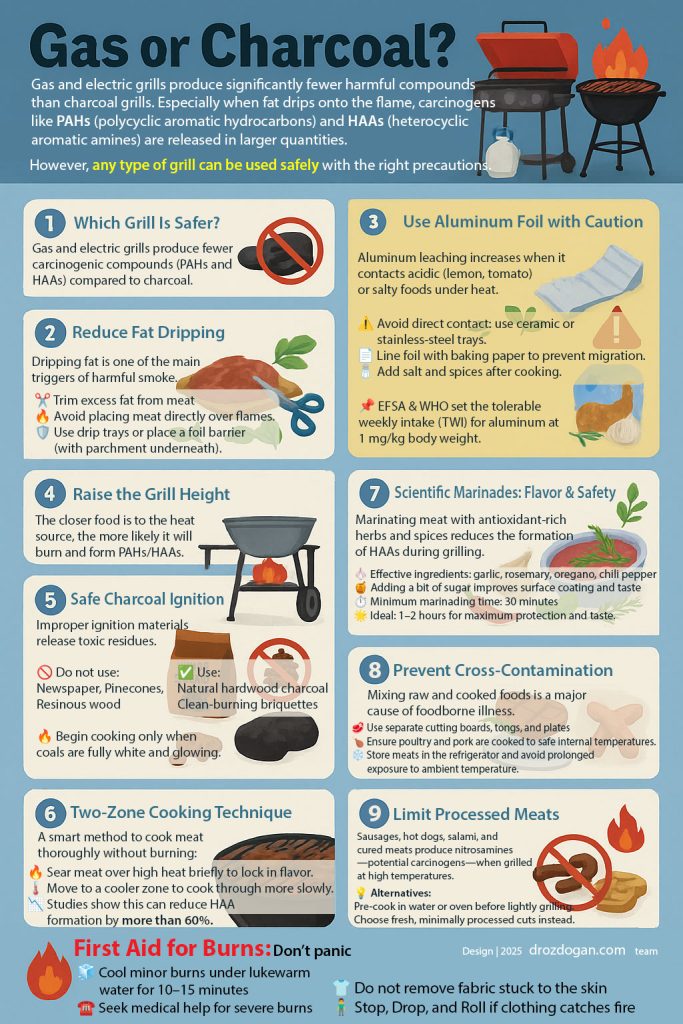
Are you worried that your favorite backyard barbecue might be putting your health at risk? Charcoal grilling gives food that irresistible smoky flavor, but you may have heard whispers that it could cause cancer.
You’re not alone in wondering if that delicious char on your steak or veggies is doing more harm than good. You’ll discover the truth behind charcoal grilling and cancer risks, so you can enjoy your meals with peace of mind.
Keep reading to find out what science really says and how you can grill safely without giving up the taste you love.

Credit: drgopines.com
Charcoal Grilling Basics
Charcoal grilling uses charcoal briquettes or lump charcoal as fuel. It creates heat and smoke to cook food outdoors.
This method gives food a smoky flavor and crispy texture. Many people enjoy cooking this way during warm months.
How Charcoal Grilling Works
Charcoal grilling starts by lighting the charcoal until it turns white-gray. This means the charcoal is hot and ready.
The heat comes from burning charcoal pieces that release energy. You place the food above the charcoal to cook it.
- Arrange charcoal in a pile or spread it evenly
- Light charcoal with fire starters or lighter fluid
- Wait for charcoal to ash over before cooking
- Place food on grill grate above hot coals
- Control heat by moving charcoal or adjusting vents
Popular Foods For Charcoal Grilling
Many foods taste great when cooked over charcoal. The smoky flavor works well with meats and vegetables.
People often choose easy-to-grill items that cook evenly on a hot grill.
- Steaks and burgers
- Chicken breasts and thighs
- Sausages and hot dogs
- Fish fillets and shrimp
- Bell peppers, corn, and zucchini
- Mushrooms and onions
Cancer Risks Linked To Grilling
Grilling food over charcoal is popular and gives food a tasty flavor. Some studies link this cooking method to cancer risks.
Scientists found certain chemicals form on grilled food that may cause cancer. Knowing these chemicals helps us stay safe.
Potential Carcinogens In Grilled Food
Grilled food can contain harmful chemicals called carcinogens. These chemicals may damage cells and increase cancer risk.
Carcinogens form when meat is cooked at high heat or exposed to smoke. Two main types are PAHs and HCAs.
Role Of Polycyclic Aromatic Hydrocarbons (pahs)
PAHs form when fat drips onto hot charcoal or flames. The smoke rises and sticks to the food surface.
These chemicals can cause changes in DNA. This damage may lead to cancer over time.
- PAHs form from burning fat and meat juices
- They stick to food during grilling
- PAHs can damage cell DNA
- Long-term exposure may increase cancer risk
Impact Of Heterocyclic Amines (hcas)
HCAs form when meat cooks at high temperatures. This happens especially on grilled or pan-fried meat.
HCAs may cause mutations in DNA. These mutations can raise the chance of cancer development.
- HCAs form from amino acids and creatine in meat
- High heat cooking increases HCA formation
- HCAs can cause DNA mutations
- Mutations may lead to cancer
Separating Myths From Facts
Charcoal grilling is a popular way to cook. But some worry about cancer risk. Let’s look at common myths and facts.
We will explore what science says about grilling and health. This helps you make informed choices.
Common Misconceptions About Charcoal Grilling
Many believe that grilling meat always causes cancer. This is not entirely true. The risk depends on how food is cooked.
- Myth: All grilled foods are harmful.
- Myth: Charcoal grilling is worse than gas grilling.
- Myth: Char marks are the main cause of cancer.
Scientific Findings On Grilling And Cancer Risk
Studies show that grilling can produce substances like PAHs and HCAs. These can form when meat is cooked at high temperatures.
| Method | Risk Level |
| Low-temperature grilling | Lower |
| High-temperature grilling | Higher |
| Marinating meat | Reduces risk |
Marinating meat before grilling can reduce harmful compounds. Using herbs and spices is also helpful.
Safer Grilling Techniques
Charcoal grilling can add great flavor to food. Some worry it may cause cancer due to harmful chemicals. Using safer grilling methods can reduce these risks.
Simple changes in how you grill and prepare food help lower the chance of harmful substances forming. Learn easy ways to grill safer below.
Reducing Carcinogen Formation
Carcinogens form when fat drips on hot charcoal and creates smoke. This smoke can stick to your food. Lower heat and avoid charring to reduce this.
- Cook at medium heat, not high
- Turn food often to stop burning
- Remove blackened parts before eating
- Use lean meats to reduce fat drips
- Place food away from direct flames
Choosing Marinades And Cooking Methods
Marinating meat can lower harmful chemicals. Some ingredients help stop carcinogens from forming. Use these marinades and cooking tips.
| Marinade Ingredient | Benefit |
| Lemon juice | Reduces harmful compounds |
| Garlic | Acts as antioxidant |
| Rosemary | Blocks carcinogen formation |
| Olive oil | Protects food from charring |
| Vinegar | Helps tenderize and reduce toxins |
Grill smaller pieces to cook faster and avoid burning. Use foil or grill baskets to limit smoke contact.
Proper Grill Maintenance
Keeping your grill clean reduces carcinogens. Old grease and food bits can cause more smoke and toxins.
- Scrape grill grates before and after use
- Empty drip trays regularly
- Clean charcoal ash after it cools
- Check for rust or damage and fix promptly
Healthier Alternatives To Charcoal
Charcoal grilling can produce harmful chemicals linked to cancer. Choosing other grilling methods can reduce health risks. Some options offer cleaner cooking and less smoke.
These alternatives still give you tasty grilled food without the dangers of charcoal. They are easier to control and better for the environment.
Gas Grilling Vs. Charcoal Grilling
Gas grills use propane or natural gas to cook food. They produce less smoke and fewer harmful chemicals than charcoal grills. This lowers the risk of cancer-causing compounds.
Gas grilling heats food evenly and is quick to start. It also creates less ash and cleanup is easier. Many people prefer gas grills for their convenience and cleaner cooking.
- Less smoke and fewer carcinogens
- Faster cooking and easy temperature control
- Cleaner and easier to maintain
Electric Grills And Smokeless Options
Electric grills use electricity to heat food without burning fuel. They create almost no smoke or harmful chemicals. This makes them a safe choice for indoor and outdoor cooking.
Smokeless grills reduce air pollution and avoid the risks linked to charcoal smoke. They are easy to use and clean. You can enjoy grilled flavors without the risks of traditional grilling.
- No smoke or carcinogens produced
- Safe for indoor use
- Simple to clean and operate
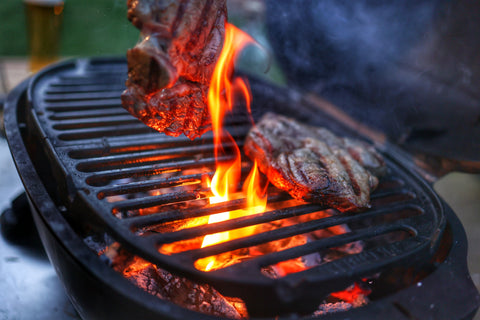
Credit: globalticltd.co.uk
Balancing Enjoyment And Safety
Grilling with charcoal is a popular way to cook food. Some worry it might cause cancer. It is important to enjoy grilling safely.
This guide helps you balance tasty grilled meals and health risks. Learn how to grill safely and eat well.
Moderation And Frequency Of Grilling
Eating grilled food often can raise health risks. Chemicals form when meat is cooked over charcoal at high heat.
Limit how much and how often you grill to reduce those risks. Try other cooking methods like baking or steaming sometimes.
- Grill meat no more than twice a week
- Use lower heat to avoid charring
- Trim fat to reduce smoke and flare-ups
- Marinate meat to lower harmful chemical formation
Incorporating Grilled Foods In A Healthy Diet
Grilled foods can fit into a healthy diet if you choose wisely. Include vegetables and fruits alongside grilled meat.
Balance your plate with whole grains and healthy fats. This helps your body get nutrients and lowers health risks.
- Grill vegetables like peppers, zucchini, and mushrooms
- Choose lean meats such as chicken or fish
- Eat plenty of fresh fruits and salads
- Use healthy oils like olive oil for grilling
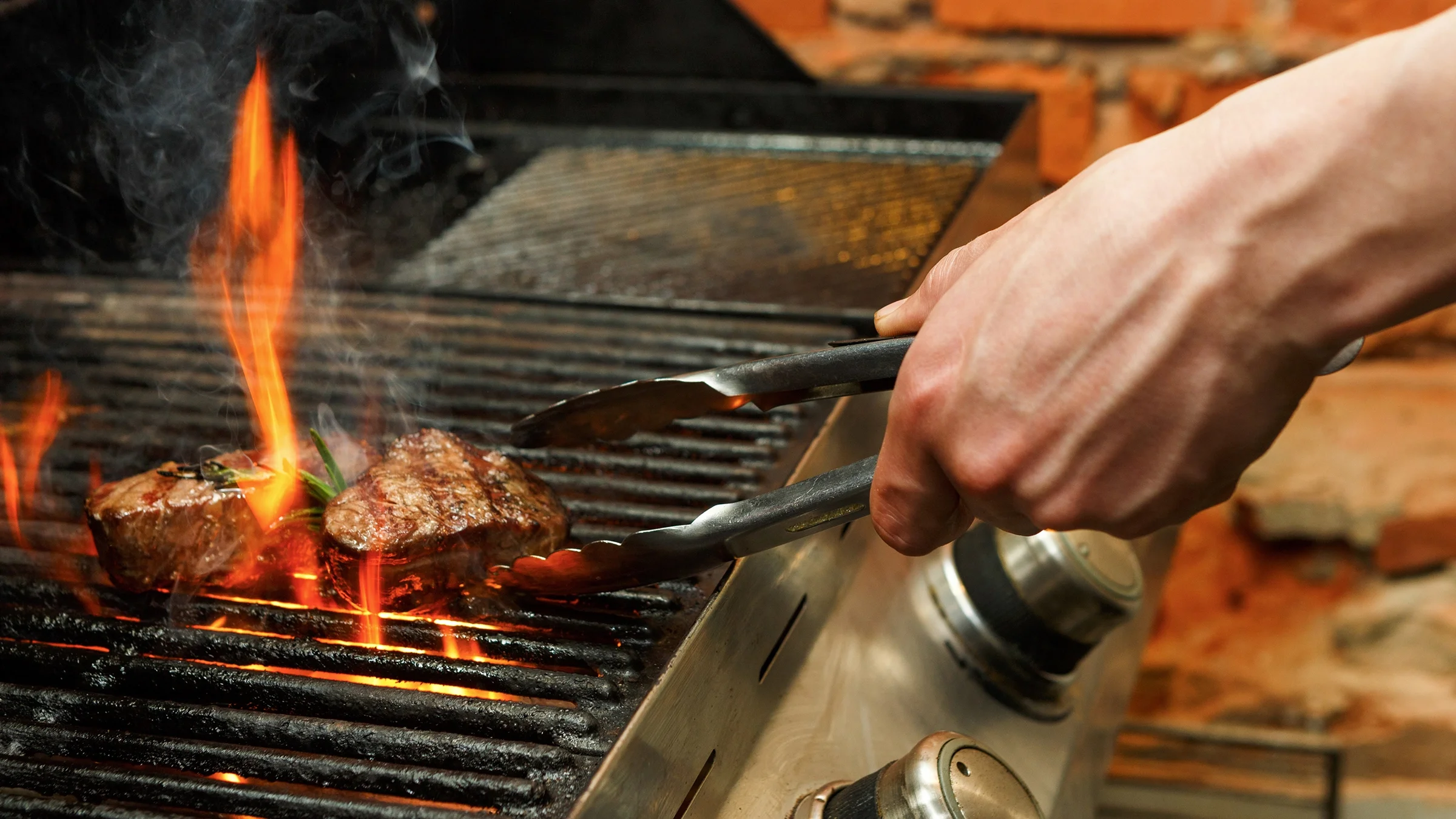
Credit: www.goodrx.com
Frequently Asked Questions
Does Charcoal Grilling Produce Harmful Chemicals?
Charcoal grilling can produce harmful chemicals like PAHs and HCAs. These form when fat drips on hot coals, creating smoke. Consuming these chemicals in large amounts may increase cancer risk over time. Moderation and proper grilling techniques help reduce exposure.
Can Charcoal Grilling Increase Cancer Risk?
Yes, frequent consumption of charred or burnt meats from charcoal grilling may increase cancer risk. Chemicals like HCAs and PAHs are linked to this. Using marinades, avoiding overcooking, and grilling at lower temperatures can minimize these risks.
How To Reduce Cancer Risk When Charcoal Grilling?
To reduce cancer risk, avoid charring meat and trim excess fat. Use marinades with antioxidants, grill at moderate heat, and flip meat often. Including vegetables and lean meats also lowers harmful chemical formation and promotes healthier grilling.
Is Charcoal Grilling Safer Than Gas Grilling?
Both charcoal and gas grilling produce some harmful compounds. Charcoal grilling tends to generate more PAHs due to smoke from burning charcoal. Gas grilling produces fewer carcinogens but still creates HCAs. Proper techniques make both methods safer.
Conclusion
Charcoal grilling can produce harmful chemicals, but risks depend on how you cook. Avoid charring meat and use lower heat to reduce danger. Marinating food before grilling helps lower harmful substances. Eating grilled food in moderation is key for safety.
Choose fresh, lean meats and include vegetables on the grill. Enjoy your meals without worry by grilling smartly and safely. Simple changes make a big difference in health and taste. Keep these tips in mind for safer grilling experiences.