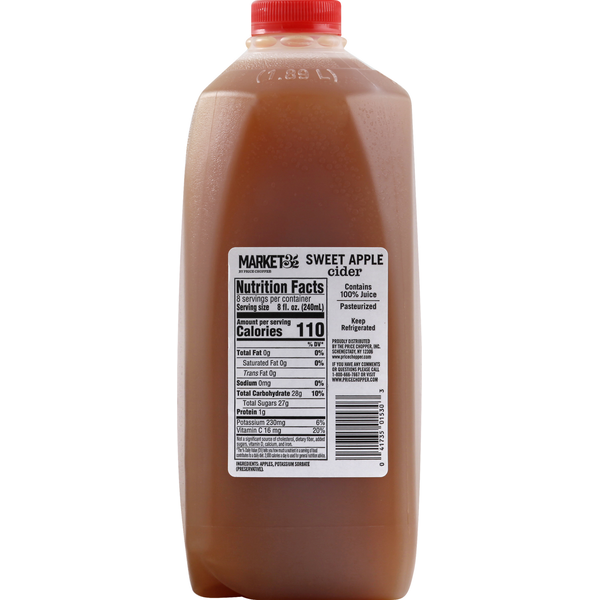
Have you ever grabbed a bottle of cider and wondered if it really needs to be kept in the fridge? You’re not alone.
Knowing how to store your cider properly can make a big difference in its taste and freshness. Whether you’re planning to enjoy it soon or save it for later, understanding the best way to keep your cider can save you from disappointment.
Keep reading, because we’re about to clear up the confusion and help you get the most out of every sip.
Types Of Cider
Cider comes in different types, each with unique qualities that affect how you should store it. Understanding these varieties helps you decide if refrigeration is necessary. Let’s look at the main types of cider and what makes them special.
Still Vs. Sparkling Cider
Still cider is flat, without bubbles, much like apple juice but with a fermented twist. It tends to have a smoother taste and often feels lighter on your palate.
Sparkling cider, on the other hand, is carbonated, giving it a fizzy and refreshing character. This carbonation can affect storage since sparkling ciders are more sensitive to temperature changes and pressure.
If you’ve ever left a sparkling cider out too long, you know it can lose its fizz quickly. Keeping it chilled helps maintain that crisp sparkle and flavor you expect.
Alcoholic Vs. Non-alcoholic
Alcoholic cider contains varying levels of alcohol, usually between 4% and 8%. This alcohol acts as a natural preservative, but it doesn’t mean the cider should be left unrefrigerated for long periods.
Non-alcoholic cider, often called “apple cider” in the U.S., is basically fresh apple juice that may be lightly fermented or not at all. Since it lacks alcohol, it’s more perishable and must be refrigerated promptly to avoid spoilage.
Have you noticed how quickly fresh cider can sour if left out? That’s why understanding the alcohol content in your cider is key to knowing how to store it properly.
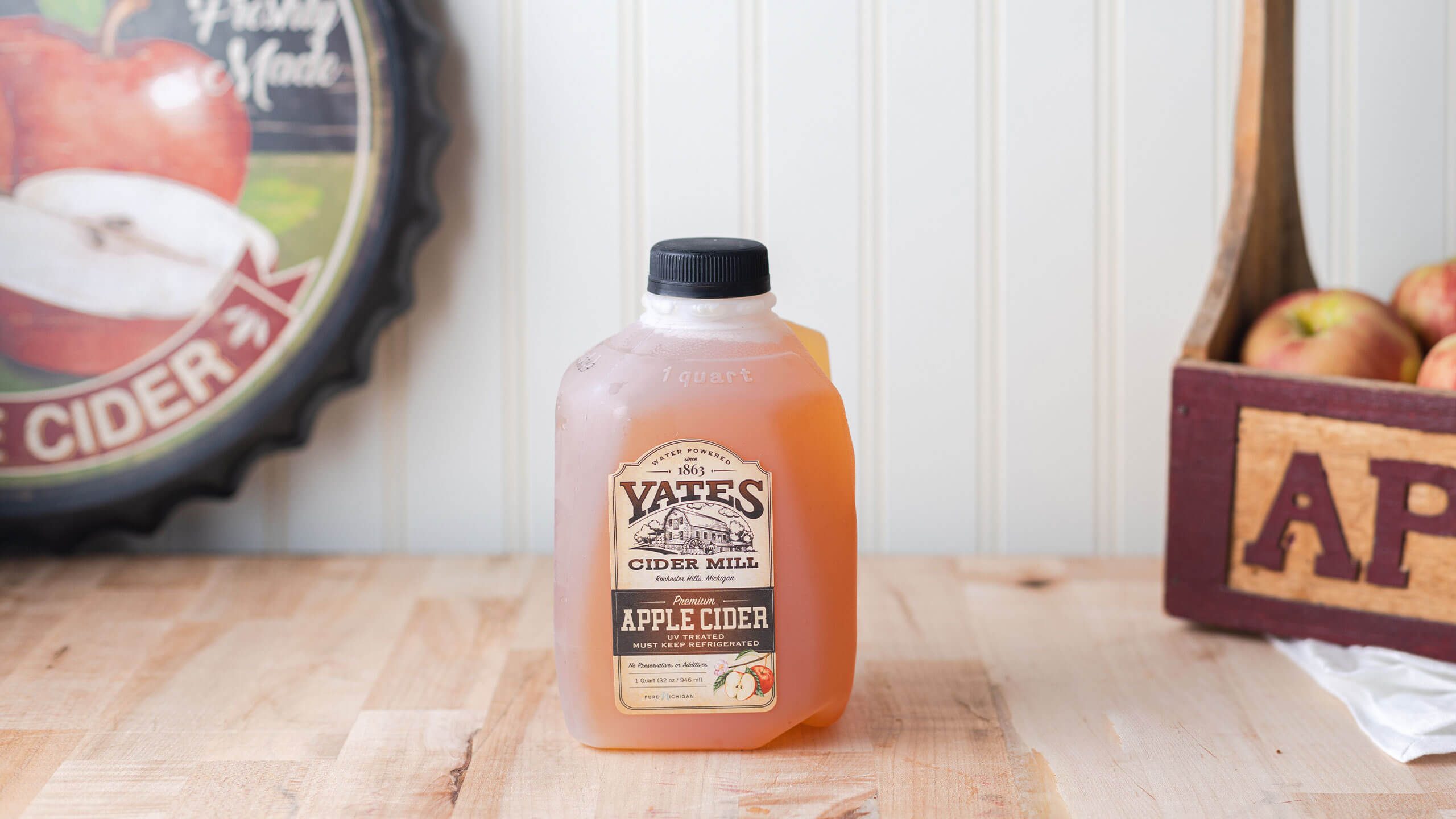
Credit: yatescidermill.com
Impact Of Temperature On Cider
Temperature can change how cider tastes and lasts. Knowing these effects helps decide if cider needs refrigeration. Let’s explore how temperature impacts cider.
Flavor Changes
Temperature affects cider’s flavor profile. Cold temperatures preserve delicate flavors. They maintain the apple’s crispness and natural sweetness. Warmer temperatures can cause flavor loss. The cider might taste flat or overly sweet. Consistent refrigeration keeps the cider’s taste intact, ensuring a delightful sip every time.
Shelf Life Considerations
Refrigeration extends cider’s shelf life significantly. Cold temperatures slow down fermentation and spoilage. This means refrigerated cider stays fresh longer. On the shelf, cider can ferment further. It may develop off-flavors or spoil faster. Storing cider in the fridge keeps it safe to drink and delicious.
When To Refrigerate Cider
Knowing when to refrigerate cider helps keep it fresh and tasty. Storage depends on whether the cider is opened or unopened. Temperature plays a key role in preserving flavor and preventing spoilage.
Unopened Bottles
Unopened cider bottles can stay at room temperature safely. Keep them in a cool, dark place away from sunlight. Heat and light may affect the flavor and quality. Refrigeration is not necessary but can extend shelf life. Check the label for any specific storage instructions. Most ciders last several months unopened without refrigeration.
Opened Bottles
Once opened, cider needs refrigeration to stay fresh. Exposure to air causes oxidation and changes the taste quickly. Always seal the bottle tightly before refrigerating. Opened cider should be consumed within 5 to 7 days for best flavor. Cold slows down spoilage and keeps cider crisp. Do not leave opened cider out at room temperature for long.

Credit: medium.com
Storage Tips For Cider
Proper storage keeps cider fresh and tasty for longer. Knowing how to store cider helps maintain its flavor and quality. Follow these simple tips to store cider correctly and enjoy every sip.
Ideal Temperature Range
Cider tastes best when stored between 40°F and 55°F (4°C to 13°C). Cooler temperatures slow down fermentation and prevent spoilage. Avoid freezing cider, as it can affect the texture and taste.
Avoiding Light And Heat
Keep cider away from direct sunlight and warm areas. Light and heat can cause cider to spoil quickly. Store cider in a dark, cool place like a cellar or a shaded cupboard.
Proper Sealing Methods
Always seal cider bottles tightly after opening. Use the original cap or a bottle stopper to keep air out. Proper sealing prevents oxidation, which can spoil the cider.
Consequences Of Improper Storage
Improper storage of cider can lead to several unwanted consequences that affect both its taste and your health. Ignoring refrigeration or storing cider in warm places may cause it to spoil faster than expected. Understanding the signs of spoilage and potential health risks can help you decide how to store your cider correctly.
Spoilage Signs
When cider isn’t stored properly, it can develop off flavors, often sour or vinegary. You might notice a cloudy appearance or sediment that wasn’t there before. Sometimes, the bottle may bulge or the cap can pop unexpectedly, indicating fermentation gone wrong.
Have you ever opened a bottle expecting a crisp, refreshing drink only to find it tastes flat or strange? That’s a clear sign the cider has spoiled. Storing cider at room temperature for too long accelerates this process, especially after opening.
Health Risks
Drinking spoiled cider isn’t just unpleasant—it can be risky. Harmful bacteria or molds may grow if the cider is left unrefrigerated for extended periods. This can cause stomach upset, nausea, or even food poisoning.
Think about how you feel after drinking something off—would you want to risk it with cider? Refrigeration helps slow bacterial growth, keeping your drink safer. If you notice any unusual smell or taste, it’s better to discard the cider than risk your health.

Credit: www.aldireviewer.com
Best Practices For Serving Cider
Serving cider properly can dramatically improve your drinking experience. Knowing the right temperature and choosing the appropriate glassware can highlight the flavors and aromas you might otherwise miss. Let’s look at some simple ways you can serve cider to bring out its best qualities.
Serving Temperature
Cider tastes best when served chilled but not too cold. Aim for a temperature between 45°F and 55°F (7°C to 13°C). At this range, the sweetness and acidity balance well, allowing the natural fruit flavors to shine.
If cider is too cold, you risk muting its aroma and complexity. Too warm, and it may taste overly sweet or flat. Think about storing your cider in the fridge about an hour before serving to reach that perfect coolness.
Glassware Choices
The type of glass you use matters more than you might think. A tulip-shaped glass or a simple wine glass works well for most ciders, helping to trap the aromas and guide them to your nose.
Using a wide-rimmed glass can make the drink feel less vibrant because it lets aromas escape. On the other hand, a narrow glass might restrict the full experience. If you want to impress guests, try experimenting with different glass types and see which one enhances your favorite cider.
Frequently Asked Questions
Does Cider Need Refrigeration After Opening?
Yes, cider should be refrigerated after opening to maintain freshness. Cold storage slows down fermentation and prevents spoilage. Keep it sealed tightly and consume within a few days for the best taste and safety.
Can Unopened Cider Be Stored At Room Temperature?
Unopened cider can be stored at room temperature if it is pasteurized. Avoid direct sunlight and heat to preserve flavor. However, refrigeration extends shelf life and keeps cider fresher for longer periods.
How Long Does Cider Last Refrigerated?
Refrigerated cider typically lasts 7 to 10 days after opening. Unopened cider stored in the fridge can last several months, depending on the expiration date. Always check for off smells or taste before drinking.
Does Refrigeration Affect Cider’s Flavor?
Refrigeration helps preserve cider’s crisp and fresh flavor. Warm storage can cause fermentation, altering taste and carbonation. For the best experience, serve cider chilled and store it in the fridge.
Conclusion
Cider tastes best when kept cold. Refrigeration slows down spoilage and keeps flavors fresh. Warm cider may lose its fizz and taste dull. Store opened cider in the fridge to keep it safe. Unopened cider can stay in a cool, dark place for a while.
Remember, cold cider feels refreshing and enjoyable. Simple steps help you enjoy every sip fully. Keep your cider chilled for the best experience.