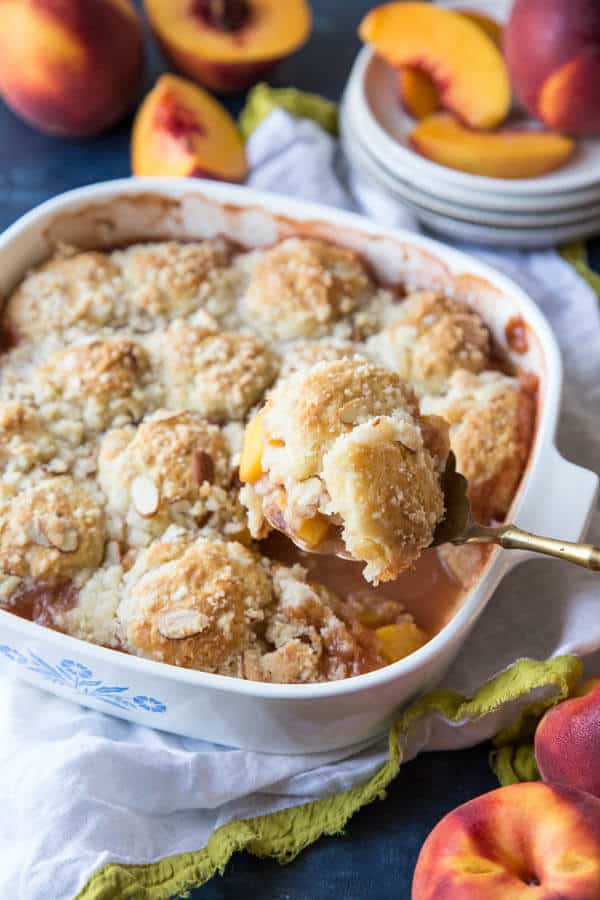
Have you ever wondered if your delicious cobbler needs to be kept in the fridge or if it’s safe to leave it out on the counter? You’re not alone.
Knowing how to store cobbler properly can make all the difference in keeping it fresh and tasty. If you’ve just baked or bought one, you want to enjoy every bite without worrying about it going bad. Keep reading, because understanding the best way to store your cobbler will save you time, prevent waste, and ensure your dessert stays perfect for your next craving.

Credit: southerndiscourse.com
Shelf Life Of Cobbler
Understanding the shelf life of cobbler is key to enjoying this delicious dessert safely and at its best. How long cobbler lasts depends on several factors including ingredients, storage method, and environment. Knowing these details helps you avoid wasting food and keeps your dessert tasting fresh every time.
Fresh Cobbler Duration
Freshly baked cobbler usually stays good for about 2 to 3 days at room temperature. If you leave it out longer, you risk it spoiling or developing unwanted bacteria. To extend its freshness, refrigerate your cobbler, where it can last up to 4 to 5 days without losing flavor or texture.
Have you noticed how the crust can become soggy if you refrigerate cobbler too long? That’s a common trade-off between safety and texture. You might want to warm it slightly before serving to bring back that delightful crispness.
Factors Affecting Spoilage
Several factors influence how quickly your cobbler spoils:
- Ingredients:Cobbler with dairy or cream-based toppings spoils faster than fruit-only versions.
- Storage conditions:Warm, humid environments speed up mold and bacterial growth.
- Exposure to air:Leaving cobbler uncovered dries it out and invites contamination.
Think about how often you cover your leftovers tightly. Could a simple airtight container make a big difference in extending your cobbler’s shelf life? Small changes like this can save you from throwing away perfectly good dessert.

Credit: wildwildwhisk.com
Refrigeration Benefits
Keeping your cobbler refrigerated offers several important benefits that can help you enjoy this delicious dessert longer and safer. Understanding why refrigeration matters can change how you store your homemade or store-bought cobbler. It’s not just about taste—it’s about safety and quality too.
Extending Freshness
Refrigeration slows down the natural process of spoilage, keeping your cobbler fresh for days beyond room temperature storage. When you refrigerate cobbler, the fruit filling stays juicy, and the crust remains pleasantly firm instead of becoming soggy or stale.
Think about the last time you left cobbler out overnight—did it lose its vibrant flavor or texture? Refrigeration preserves those qualities so you can enjoy your dessert just as much on day two or three.
Preventing Bacterial Growth
Cobblers often contain dairy, eggs, or fresh fruit, which can become a breeding ground for bacteria if left out too long. Keeping your cobbler chilled reduces the risk of harmful bacterial growth that can cause foodborne illnesses.
Have you ever wondered why restaurants always store desserts in cool display cases? It’s to keep your food safe and prevent spoilage. You can apply the same principle at home by promptly refrigerating your cobbler after serving.
Storage Methods
Knowing how to store your cobbler properly can make a huge difference in its taste and texture the next day. Different storage methods suit different situations, whether you want to eat it soon or save it for later. Here’s a closer look at how you can keep your cobbler fresh and delicious.
Room Temperature Storage
If you plan to enjoy your cobbler within a day, keeping it at room temperature works well. Cover the cobbler loosely with foil or a clean kitchen towel to prevent it from drying out.
However, be mindful of the environment. In warm or humid kitchens, it’s better to refrigerate to avoid spoilage. Have you ever left dessert out only to find it soggy or sour? That’s why timing and conditions matter here.
Using Airtight Containers
Storing cobbler in airtight containers helps lock in moisture and flavor. Choose containers that fit the cobbler snugly to minimize air exposure.
This method works great for both room temperature and refrigeration. It also makes transporting your dessert easier and less messy. Have you noticed how sometimes leftovers lose their “fresh-baked” charm? Airtight storage can fix that.
Freezing Cobbler
Freezing is your best bet for keeping cobbler fresh beyond a few days. Wrap the cobbler tightly in plastic wrap, then cover it with foil or place it in a freezer-safe container.
When you’re ready to eat, thaw it slowly in the fridge to keep the crust from becoming too soggy. Freezing doesn’t just save leftovers—it can turn your cobbler into a ready-to-go treat for busy days. Have you tried freezing your desserts before? It might surprise you how well this works.
Reheating Tips
Reheating cobbler properly keeps its taste fresh and texture enjoyable. Choose the best reheating method to avoid sogginess or dryness. Use gentle heat to warm the cobbler evenly.
Oven Reheating
Preheat the oven to 350°F (175°C). Place the cobbler in an oven-safe dish. Cover with foil to keep moisture inside. Heat for about 15-20 minutes. Check if warm by inserting a toothpick in the center. Remove the foil in the last 5 minutes for a crispy top.
Microwave Reheating
Put a slice of cobbler on a microwave-safe plate. Heat on medium power for 30-45 seconds. Check the temperature and heat more if needed. Avoid overheating to prevent a rubbery texture. Cover loosely with a microwave-safe lid or paper towel to keep moisture.
Maintaining Texture And Flavor
- Reheat in small portions for even warming.
- Let cobbler rest a few minutes after reheating.
- Use foil in the oven to prevent drying out.
- Avoid overheating to keep fruit juicy and crust crisp.
- Serve with a scoop of ice cream or whipped cream for extra taste.
Signs Of Spoiled Cobbler
Knowing the signs of spoiled cobbler is crucial to avoid eating something that could make you sick. Cobbler often looks delicious and tempting, but it can go bad quickly if not stored properly. Paying attention to certain changes can save you from unpleasant surprises.
Visible Mold
Mold is the most obvious sign that your cobbler has spoiled. If you see any fuzzy spots or unusual colors like green, white, or black on the surface, it’s time to toss it out. Even if the mold covers only a small part, the entire dish is unsafe to eat.
Off Smell
Trust your nose. Fresh cobbler smells sweet and fruity, but spoiled cobbler develops a sour or fermented odor. If your cobbler gives off an unpleasant or unusual smell, don’t risk eating it—your senses are warning you.
Texture Changes
Have you noticed your cobbler becoming soggy or overly dry? Spoiled cobbler can change texture significantly. If the crust feels slimy or the filling separates and looks watery, these are red flags that the cobbler is no longer safe to eat.

Credit: www.tasteofhome.com
Frequently Asked Questions
Should Cobbler Be Stored In The Fridge?
Cobbler should be refrigerated to maintain its freshness and prevent bacterial growth. Left unrefrigerated, cobbler may spoil quickly, especially if it contains dairy. Storing it in the fridge extends its shelf life and retains the quality. Ensure it is covered well to prevent it from drying out.
How Long Can Cobbler Sit Out?
Cobbler can sit out for about 2 hours at room temperature. After this time, bacteria growth can make it unsafe to eat. To ensure safety and maintain quality, refrigerate any leftovers promptly. If the room is particularly warm, consider refrigerating it sooner to prevent spoilage.
Can You Freeze Leftover Cobbler?
Yes, you can freeze leftover cobbler to prolong its life. Place it in an airtight container or wrap it tightly to prevent freezer burn. When ready to enjoy, thaw it in the fridge overnight. Reheat it gently in the oven to restore its original texture and taste.
How To Reheat Refrigerated Cobbler?
To reheat refrigerated cobbler, preheat your oven to 350°F (175°C). Place the cobbler in an oven-safe dish and cover with foil to prevent drying. Heat for about 15-20 minutes until warmed through. Alternatively, you can microwave individual portions, but the oven method yields better texture.
Conclusion
Cobbler stays fresh longer when kept in the fridge. Room temperature storage can cause it to spoil quickly. Cooling slows down bacteria growth and keeps taste better. Always cover the cobbler to avoid drying out. Serve it cold or warm, depending on your choice.
Storing properly helps you enjoy cobbler safely for days. Remember, a little care makes your dessert last longer. Simple steps keep your cobbler delicious and safe to eat.