
Are you wondering if your bottle of coconut aminos needs to be kept in the fridge? You’re not alone.
Many people love using coconut aminos as a tasty, healthier alternative to soy sauce, but they’re often unsure about how to store it properly. Getting it right can keep your aminos fresh and flavorful for longer. Keep reading to discover the simple storage tips that will save you money and make your meals even better!

Credit: littlefarms.com
What Is Coconut Aminos
Coconut aminos is a popular soy sauce alternative made from the sap of coconut blossoms and sea salt. It offers a slightly sweet and savory flavor that many people prefer for cooking and seasoning. Understanding what coconut aminos is helps you appreciate why its storage, like refrigeration, matters for maintaining taste and quality.
What Ingredients Make Up Coconut Aminos?
Coconut aminos contains two main ingredients:
- Coconut sap:This is the sweet, nutrient-rich liquid collected from coconut tree blossoms.
- Sea salt:Added to balance the flavor and act as a natural preservative.
Unlike soy sauce, it contains no soy or gluten, making it a great choice for those with allergies or dietary restrictions.
How Does Coconut Aminos Taste?
The flavor of coconut aminos is milder and sweeter than traditional soy sauce. It carries a hint of umami without the harsh saltiness you might expect. If you’ve ever tried tamari or liquid aminos, you’ll find coconut aminos gentler and less overpowering.
Why Is Coconut Aminos Popular?
Many people choose coconut aminos for health and dietary reasons. It is lower in sodium than soy sauce and free from common allergens like soy and gluten. Plus, its natural fermentation process adds beneficial enzymes and amino acids that support digestion.
Can Coconut Aminos Replace Soy Sauce?
You might wonder if coconut aminos can be swapped directly for soy sauce in recipes. The short answer is yes, but keep in mind its sweeter, less salty profile. It works wonderfully in stir-fries, marinades, and dressings, adding a unique twist to your dishes.
Shelf Life Without Refrigeration
Coconut aminos is a popular soy sauce alternative made from coconut sap and sea salt. Understanding its shelf life without refrigeration helps you store it safely and avoid spoilage. This section explains how long coconut aminos last when kept outside the fridge.
Unopened bottles of coconut aminos can last a long time at room temperature. The natural fermentation process and salt content help preserve it. Once opened, the shelf life shortens but it still remains usable for some time without refrigeration.
Shelf Life Of Unopened Coconut Aminos
Unopened coconut aminos can stay fresh for up to 1 to 2 years at room temperature. Store it in a cool, dark place away from direct sunlight. Avoid heat sources like stoves or ovens to maintain its quality.
Shelf Life Of Opened Coconut Aminos Without Refrigeration
After opening, coconut aminos can last about 1 to 2 months without refrigeration. The flavor may slowly change and quality may decline. Look for signs of spoilage such as a sour smell or cloudy appearance.
Signs Coconut Aminos Has Gone Bad
- Unusual sour or off smell
- Cloudy or thickened texture
- Visible mold growth
- Strange or off taste
Tips To Extend Shelf Life Without Refrigeration
- Keep the bottle tightly sealed after each use
- Store in a cool, dark cupboard or pantry
- Use clean utensils to avoid contamination
- Check for spoilage regularly
When Refrigeration Is Necessary
Knowing when to refrigerate coconut aminos can help you keep its flavor fresh and avoid any unwanted spoilage. Although some brands may claim their product is shelf-stable, certain conditions call for refrigeration to maintain quality and safety.
Check The Label For Storage Instructions
Every brand handles coconut aminos differently. Some bottles clearly state if refrigeration is necessary after opening. Always read the label carefully—ignoring these instructions can lead to quicker spoilage.
After Opening The Bottle
Once you open coconut aminos, exposure to air and room temperature can cause it to deteriorate. Refrigeration slows down this process and keeps the taste consistent. If you want your coconut aminos to last several months, it’s best to pop it in the fridge.
Warm Climates And High Humidity
If you live somewhere warm or humid, refrigeration becomes more important. Heat and moisture encourage bacterial growth, which can spoil the sauce faster. Even if the label says shelf-stable, keeping it chilled in these conditions is a smart choice.
After Long Storage Periods
Have you ever forgotten a bottle at the back of your pantry? Coconut aminos can lose flavor or develop off smells over time. If you plan to store it for more than a few months, refrigeration helps maintain freshness and quality.
Signs That Refrigeration Is Needed
Does your coconut aminos smell sour or look cloudy? These are red flags that it might be going bad. Refrigerating the sauce can prevent these changes and keep it safe to use.
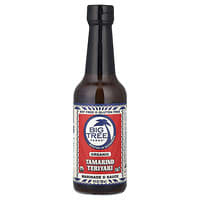
Credit: www.iherb.com
Signs Coconut Aminos Has Spoiled
Coconut aminos is a popular soy sauce alternative made from coconut sap. It offers a savory flavor and is often used in various dishes. Like many other condiments, coconut aminos can spoil. Knowing the signs of spoilage helps maintain food safety and flavor.
Color Changes
Fresh coconut aminos has a rich, dark color. Spoiled coconut aminos may turn lighter or develop a cloudy appearance. A noticeable change in color often indicates spoilage.
Unpleasant Odor
Good coconut aminos should have a mild, savory aroma. A strong, sour, or off-putting smell suggests it may have gone bad. Trust your nose to detect any unusual scents.
Strange Taste
Coconut aminos should taste slightly sweet and salty. Spoiled versions might taste sour or have a strange, bitter flavor. If the taste seems off, it’s best not to consume it.
Texture Changes
Fresh coconut aminos has a smooth and consistent texture. Spoilage might cause it to become thick or develop sediment at the bottom. These changes signal it is no longer good to use.
Presence Of Mold
Visible mold is a clear indicator of spoilage. If you see mold inside the bottle or around the cap, discard the product immediately. Mold growth makes it unsafe for consumption.
- Color Changes
- Unpleasant Odor
- Strange Taste
- Texture Changes
- Presence of Mold
Best Storage Practices
Proper storage of coconut aminos extends its freshness and maintains its flavor. Knowing how to store it correctly ensures you get the best taste every time you use it. Let’s look at the best ways to keep your coconut aminos in top shape.
Sealing And Container Tips
Always keep the bottle tightly sealed after each use. Air exposure can change the flavor and speed up spoilage. If the original bottle has a secure cap, use it; otherwise, transfer the aminos to an airtight container.
Glass containers are ideal because they don’t absorb odors or flavors. Avoid using plastic containers that might react with the liquid. Also, clean the bottle’s rim regularly to prevent sticky buildup, which can attract bacteria.
Ideal Temperature And Light Conditions
Store coconut aminos in a cool, dark place. Heat and sunlight break down the quality and taste. A pantry or cupboard away from the stove or windows works well if you plan to use it quickly.
If you want the aminos to last longer, refrigeration is your best bet. It slows down fermentation and preserves flavor. Have you noticed a change in taste when your coconut aminos sit out too long? That’s why temperature control matters.
Comparing Coconut Aminos To Soy Sauce
Comparing coconut aminos to soy sauce reveals some interesting differences that affect how you store and use them. Both are popular seasonings with a salty, umami flavor, but their ingredients and production processes vary. Understanding these differences can help you decide if coconut aminos need refrigeration and how they fit into your cooking habits.
Coconut Aminos Vs. Soy Sauce: Ingredients And Flavor
Coconut aminos come from the sap of coconut blossoms and are mixed with sea salt. Soy sauce is made by fermenting soybeans and wheat with salt and water. This makes coconut aminos naturally gluten-free and lower in sodium, which appeals to many health-conscious cooks.
The flavor of coconut aminos is milder and slightly sweeter, while soy sauce has a stronger, saltier taste. If you prefer a gentler, less salty seasoning, coconut aminos could be your go-to. Have you noticed how switching to coconut aminos changes the taste of your favorite dishes?
Storage Needs Based On Composition
Because soy sauce contains a higher salt content, it acts as a natural preservative, allowing it to stay safe at room temperature for a long time. Coconut aminos have less salt and more natural sugars, which can ferment or spoil faster if left unrefrigerated.
This difference means soy sauce often doesn’t require refrigeration after opening, but coconut aminos benefit from being kept cold. Keeping coconut aminos in the fridge helps maintain their flavor and prevents spoilage, especially if you use them slowly.
Practical Tips For Using And Storing Both
- Check the label:Some brands of coconut aminos suggest refrigeration after opening, so follow those guidelines for best results.
- Use smaller bottles:If you don’t use coconut aminos often, buy smaller containers to avoid waste.
- Keep soy sauce sealed and away from heat:While refrigeration isn’t necessary, storing it in a cool, dark place preserves its quality.
Have you ever noticed a change in taste or smell when you left coconut aminos unrefrigerated? Paying attention to these details can save you from wasting a bottle and ensure your dishes always taste their best.

Credit: littlefarms.com
Frequently Asked Questions
Does Coconut Aminos Need Refrigeration After Opening?
Yes, coconut aminos should be refrigerated after opening. Refrigeration helps maintain freshness, flavor, and extends shelf life by preventing spoilage.
How Long Does Coconut Aminos Last Unrefrigerated?
Unopened coconut aminos can last months unrefrigerated. Once opened, it’s best refrigerated and consumed within 3 to 6 months for quality.
Can Coconut Aminos Spoil Without Refrigeration?
Coconut aminos can spoil without refrigeration, especially after opening. Refrigeration slows bacterial growth, preserving taste and safety longer.
Is Refrigeration Necessary For Unopened Coconut Aminos?
Unopened coconut aminos don’t require refrigeration. Store them in a cool, dark place to maintain quality until opened.
Conclusion
Coconut aminos last longer when kept in the fridge. Room temperature storage may shorten its freshness. Always close the bottle tightly after use. Refrigeration helps keep the flavor and quality intact. This simple step ensures safe and tasty cooking. Remember, a little care goes a long way.
Keep your coconut aminos fresh for many meals. Easy to do, worth the effort. Enjoy the natural taste every time you cook.