Are you wondering if coconut cream needs to be refrigerated? You’re not alone.
Many people struggle with storing coconut cream the right way to keep it fresh and tasty. If you’ve ever opened a can or carton and weren’t sure whether to toss it in the fridge or leave it out, this article is for you.
Keep reading, and you’ll discover simple tips that will help you avoid wasting coconut cream and keep your dishes delicious every time.
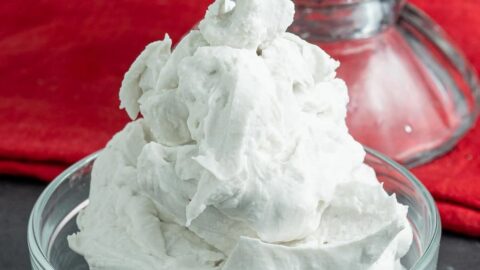
Credit: cheflolaskitchen.com
Shelf Life Of Coconut Cream
Coconut cream is a rich and creamy ingredient used in many recipes. Knowing its shelf life helps keep it fresh and safe to eat. Proper storage affects how long coconut cream lasts. Both unopened and opened containers have different storage needs and shelf lives.
Unopened Coconut Cream
Unopened coconut cream usually lasts a long time. It stays good for about 1 to 2 years. Check the expiration date on the can or carton. Store it in a cool, dry place away from sunlight. Do not freeze unopened coconut cream. Proper storage keeps its flavor and texture intact.
Opened Coconut Cream
Once opened, coconut cream needs refrigeration. It stays fresh for 5 to 7 days in the fridge. Use an airtight container to keep it from absorbing other smells. Stir before use, as cream may separate. If it smells sour or looks moldy, throw it away immediately. Avoid leaving opened coconut cream at room temperature for long periods.
Refrigeration Benefits
Refrigerating coconut cream offers clear benefits. It helps keep the cream fresh and safe to use. This simple step extends the cream’s usability and maintains its quality for recipes.
Preserving Freshness
Cold temperatures slow down the natural breakdown of coconut cream. This keeps the flavor rich and texture smooth. Refrigeration prevents the cream from drying out or separating too quickly. It also keeps the cream ready for use in cooking or baking.
Preventing Spoilage
Warm environments encourage bacteria and mold growth in coconut cream. Storing it in the fridge stops this process. This reduces the risk of food poisoning. Keeping coconut cream cold ensures it stays safe for longer periods. It also helps avoid unpleasant smells and off tastes.
Storage Methods
Proper storage of coconut cream ensures its freshness and usability. Knowing the best methods helps maintain its taste and quality. Below are effective ways to store coconut cream safely.
Using Airtight Containers
Transfer coconut cream to an airtight container. This minimizes exposure to air. Air can cause spoilage and flavor changes. Ensure the container is clean and dry. A tight seal keeps the cream fresh longer. Store the container in a cool place. Refrigeration is ideal if used soon.
Freezing Coconut Cream
Freezing extends the shelf life of coconut cream. Use ice cube trays for portioning. Once frozen, transfer cubes to a freezer bag. Label the bag with the date. This helps track the storage time. Thaw cubes in the fridge before use. This method preserves taste and texture. Avoid refreezing once thawed.

Credit: bellyfull.net
Signs Of Spoiled Coconut Cream
Knowing the signs of spoiled coconut cream is crucial to avoid unpleasant taste and potential health risks. Coconut cream can spoil if left unrefrigerated or kept past its expiration date. Recognizing the early indicators helps you decide whether it’s safe to use in your recipes or if it’s time to toss it out.
Changes In Smell
If your coconut cream smells sour, rancid, or off in any way, it’s a clear sign it has spoiled. Fresh coconut cream usually has a mild, sweet coconut aroma. A sharp or fermented smell means bacteria or mold might be growing inside.
Have you ever opened a can only to be hit by a strange odor? That’s your cue to avoid using it. Trust your nose—if it doesn’t smell right, don’t risk it.
Texture And Appearance
Fresh coconut cream is thick, smooth, and creamy. Spoiled coconut cream often becomes lumpy or watery, separating into layers that don’t blend back together when stirred.
Look out for discoloration, such as yellowing or dark spots, which indicate mold or bacterial growth. Sometimes, a slimy film forms on the surface—never ignore this.
- Clumps that won’t dissolve
- Unusual watery separation
- Visible mold spots or color changes
Have you noticed any of these changes in your coconut cream? It’s better to be safe and discard it rather than spoil your dish or risk your health.
Tips For Using Stored Coconut Cream
Storing coconut cream correctly keeps it fresh and tasty for your recipes. Using stored coconut cream properly helps maintain its rich texture and flavor. Follow simple tips to enjoy it just like fresh coconut cream.
Best Practices For Thawing
- Thaw coconut cream in the fridge overnight for even softening.
- Avoid microwaving to prevent uneven heating and texture changes.
- Stir gently after thawing to mix separated cream and liquid.
- Use thawed coconut cream within 2 to 3 days for best taste.
Maintaining Quality After Opening
- Store opened coconut cream in an airtight container to prevent odors.
- Keep it refrigerated at all times after opening.
- Check for off smells or mold before use.
- Use clean utensils to avoid contamination.
- Freeze leftovers in small portions for later use.

Credit: bellyfull.net
Frequently Asked Questions
Does Coconut Cream Need Refrigeration After Opening?
Yes, coconut cream should be refrigerated after opening to prevent spoilage. Keep it in an airtight container and use within 5 to 7 days for best quality and safety.
Can Unopened Coconut Cream Be Stored At Room Temperature?
Unopened canned coconut cream can be stored at room temperature in a cool, dry place. Refrigeration is only necessary after opening.
How Long Does Coconut Cream Last In The Fridge?
Once refrigerated, coconut cream typically lasts 5 to 7 days. Always check for any off smell or mold before use.
What Happens If Coconut Cream Is Not Refrigerated?
If left unrefrigerated after opening, coconut cream can spoil quickly, developing off flavors and harmful bacteria, making it unsafe to consume.
Conclusion
Coconut cream stays fresh longer when kept cold. Store it in the fridge after opening. This prevents spoilage and keeps the taste good. Always check the expiration date on the package. Use clean utensils to avoid contamination. If left out too long, it can go bad quickly.
Proper storage helps you enjoy coconut cream safely. Simple steps make a big difference in freshness. Keep it chilled to enjoy its rich flavor every time.