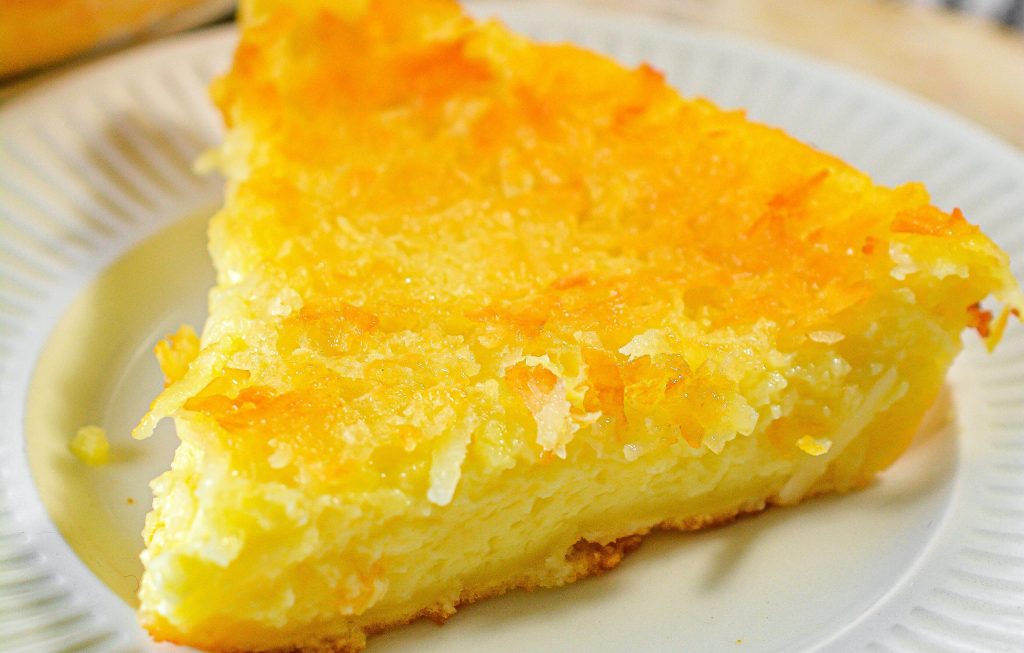
You’ve just baked or bought a delicious coconut custard pie, and now you’re wondering: does it need to be refrigerated? You want to keep your pie fresh and tasty, but you’re not sure about the best way to store it.
Making the wrong choice could change the flavor or even spoil your dessert. You’ll discover the simple answer and learn how to store your coconut custard pie safely so it stays perfect every time. Keep reading to avoid common mistakes and enjoy your pie exactly as it should be.
Coconut Custard Pie Basics
Coconut custard pie is a classic dessert loved for its creamy texture and rich flavor. It combines a smooth custard filling with the tropical taste of coconut. Understanding its basics helps in storing and serving it safely. Knowing the ingredients and how they affect shelf life is key to enjoying this pie at its best.
Key Ingredients
- Eggs – provide structure and richness
- Milk or cream – adds creaminess
- Sugar – sweetens the custard
- Coconut – shredded or flaked for texture and flavor
- Vanilla extract – enhances the taste
- Pie crust – holds the filling together
Texture And Shelf Life
The texture of coconut custard pie is soft and creamy. The eggs and dairy make it delicate. This pie needs cool storage to keep fresh.
At room temperature, the custard can spoil quickly. Refrigeration slows bacterial growth. This helps the pie stay safe to eat for several days.

Credit: www.tasteandtellblog.com
Why Refrigeration Matters
Refrigeration plays a key role in keeping coconut custard pie safe and fresh. This dessert contains eggs and dairy, which can spoil quickly at room temperature. Storing it in the fridge slows down bacteria growth and preserves its creamy texture. Without refrigeration, the pie can become unsafe and lose its flavor and quality fast.
Food Safety Concerns
Coconut custard pie has ingredients that spoil easily, like eggs and milk. Bacteria can grow rapidly when the pie is left out too long. This can cause food poisoning, leading to stomach pain, nausea, or worse. Cooling the pie in the refrigerator keeps harmful bacteria from multiplying.
Preventing Spoilage
Refrigeration helps maintain the pie’s texture and taste. Warm temperatures cause the custard to break down and separate. The crust can become soggy or stale. Keeping the pie cold slows these changes, so it stays fresh and enjoyable for days.
Storing Coconut Custard Pie
Coconut custard pie should be kept in the fridge to stay fresh and safe. Leaving it out can cause spoilage because of the eggs and dairy. Store it covered to keep its flavor and texture intact.
Storing Coconut Custard Pie can be a bit of a puzzle. You want to keep it fresh and delicious while ensuring it’s safe to eat. Whether you’re planning to enjoy it the next day or in a week, how you store your coconut custard pie matters. Let’s dive into your options.Room Temperature Storage
Coconut custard pie can sit out at room temperature for a few hours. This is perfect if you’re serving it at a party or dinner and it’ll be consumed within the day. However, leaving it out overnight isn’t recommended as it contains dairy and eggs, which can spoil.Refrigerated Storage
Pop your coconut custard pie in the fridge if you’re not eating it immediately. Cover it with plastic wrap or foil to prevent it from drying out. It can stay fresh for up to 3-4 days, making it a great make-ahead dessert option.Freezing Options
Yes, you can freeze coconut custard pie! Wrap it tightly in foil and place it in a freezer-safe bag. When you’re ready to enjoy, thaw it in the refrigerator. This method works well if you want to savor a slice weeks after baking. Storing your pie correctly ensures it remains delicious and safe to eat. Remember, when in doubt, refrigerate! How do you store your coconut custard pie?Signs Of Spoiled Pie
Knowing the signs of spoiled coconut custard pie helps keep you safe. Eating bad pie can cause stomach problems and discomfort. Always check for clear signs before serving or eating leftover pie.
Visual Changes
- Look for mold spots on the surface or crust.
- Discoloration, such as dark or dull patches, indicates spoilage.
- Liquid separation or watery areas on the pie top is a bad sign.
- The crust may appear soggy or unusually soft.
Texture And Smell
- The custard should feel smooth; grainy or slimy texture is unsafe.
- A sour or off smell means the pie is no longer fresh.
- If the pie smells like alcohol or fermentation, discard it.
- Sticky or overly wet texture inside the pie suggests spoilage.
Serving Tips After Storage
Serving coconut custard pie after storage requires some care to keep its texture and flavor intact. Proper handling ensures every bite tastes fresh and delicious. Follow these tips to serve your pie perfectly.
Bringing Pie To Room Temperature
Remove the pie from the refrigerator about 30 minutes before serving. This step helps soften the custard and crust. Cold pie can taste bland and firm. Room temperature allows the flavors to open up. Avoid leaving the pie out too long to prevent spoilage.
Reheating Methods
Warm the pie gently for a cozy dessert experience. Use an oven set to 300°F (150°C) for about 10-15 minutes. Cover the pie with foil to stop the crust from burning. Avoid using a microwave; it can make the custard watery and uneven. Let the pie cool slightly before slicing and serving.

Credit: www.onceuponachef.com

Credit: eattravellife.com
Frequently Asked Questions
Does Coconut Custard Pie Require Refrigeration?
Yes, coconut custard pie must be refrigerated to prevent spoilage. The custard contains eggs and dairy, which can spoil at room temperature. Store the pie in the fridge within two hours of baking and consume it within 3 to 4 days for best quality and safety.
How Long Can Coconut Custard Pie Stay Unrefrigerated?
Coconut custard pie should not be left unrefrigerated for more than two hours. Beyond this, bacteria can grow rapidly, increasing the risk of foodborne illness. Always refrigerate promptly after serving to ensure freshness and safety.
Can Coconut Custard Pie Be Frozen Safely?
Yes, you can freeze coconut custard pie. Wrap it tightly in plastic wrap and foil to prevent freezer burn. Thaw in the refrigerator overnight before serving. Freezing may slightly affect texture but keeps the pie safe for up to two months.
Why Is Refrigeration Important For Custard Pies?
Refrigeration slows bacterial growth in custard pies. Custards contain eggs and milk, which are perishable. Keeping the pie chilled maintains its texture and flavor, and prevents foodborne illnesses. Always store custard pies in the fridge after baking or serving.
Conclusion
Coconut custard pie needs refrigeration to stay fresh. Leaving it out can cause bacteria to grow fast. Keep it covered to avoid drying or smells. Store the pie in the fridge for up to three days. Before eating, let it sit a few minutes to soften.
This way, you enjoy the best taste and texture. Simple care keeps your pie safe and delicious every time.