Have you ever pulled your favorite shirt out of the wash only to find its colors running all over your other clothes? It’s frustrating, right?
You might be wondering, does color bleed happen more in the washer or the dryer? Understanding where and why this happens can save your clothes and keep your wardrobe bright. Keep reading, because knowing the truth about color bleeding will help you protect your clothes every time you do laundry.
Credit: www.caldwellandgregory.com
Why Color Bleeding Happens
Color bleeding happens when dyes come off fabric during washing or drying. This causes colors to spread and stain other clothes. Understanding why it happens helps protect your laundry.
Many factors affect color bleeding. These include the type of dye, water temperature, and detergent used. Each plays a role in how colors behave in the washer or dryer.
Fabric Dye Types
Different fabrics use different dyes. Some dyes stick better to fabric fibers, while others wash out easily. Natural dyes often bleed more than synthetic ones.
- Reactive dyes bind well to cotton and resist bleeding.
- Disperse dyes work for polyester but may bleed if not fixed properly.
- Direct dyes are simple but can wash out quickly.
- Natural dyes like indigo tend to bleed without special treatment.
Water Temperature Effects
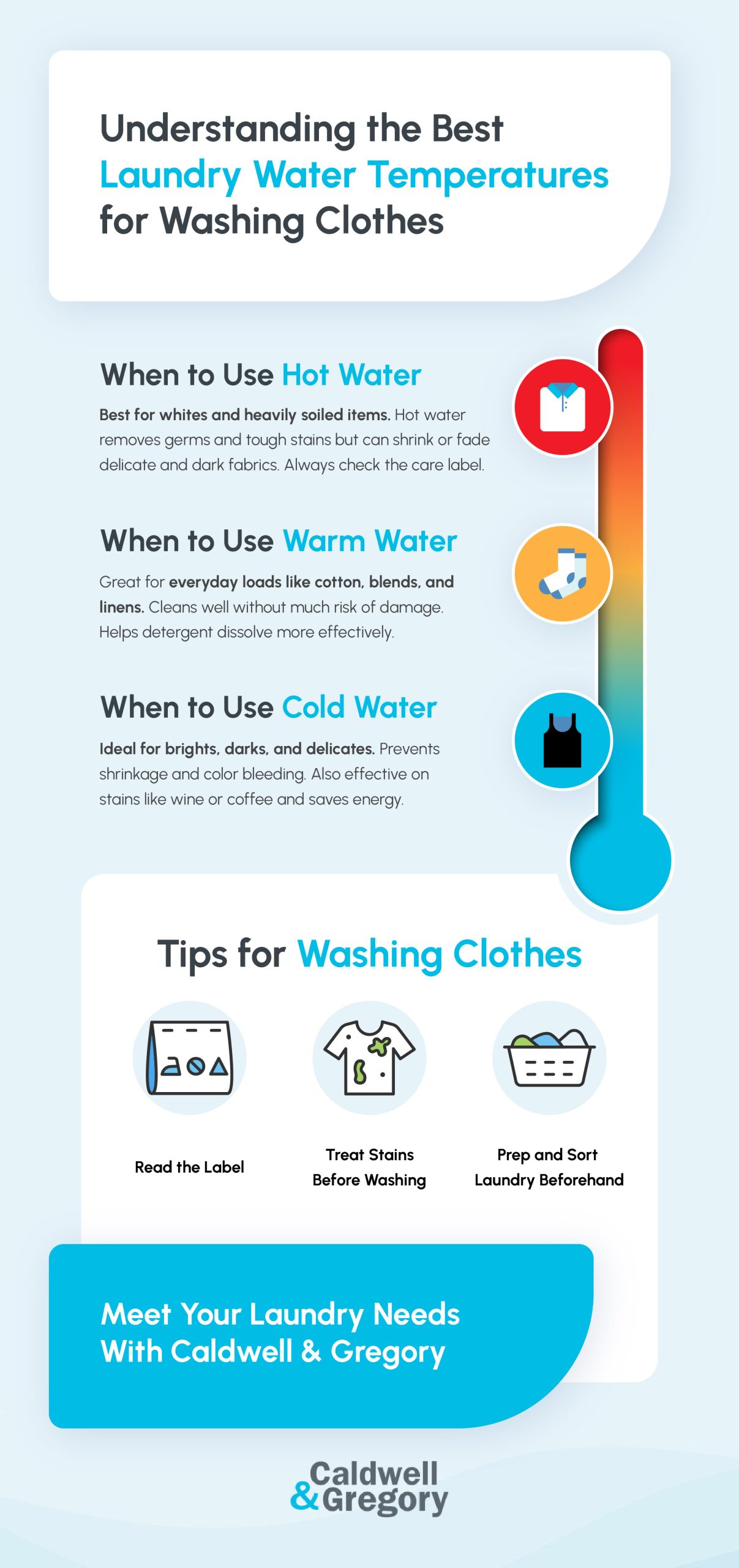
Water temperature changes how dyes behave. Hot water loosens dye from fabric, increasing bleeding risk. Cold water helps keep colors in place.
| Water Temperature | Effect on Color Bleeding |
| Cold (Below 30°C / 86°F) | Reduces bleeding, keeps colors stable |
| Warm (30–40°C / 86–104°F) | Moderate risk of bleeding |
| Hot (Above 40°C / 104°F) | Increases bleeding, fades colors |
Detergent Impact
Detergents help clean clothes but can affect dyes. Some detergents contain strong chemicals that strip color. Others have color-safe formulas that protect fabric.
Detergent factors that affect color bleeding:
- Harsh detergents break dye bonds.
- Enzymes in detergents can remove color particles.
- Color-safe detergents include ingredients to lock dye.
- Using too much detergent raises bleeding risk.
Color Bleeding In The Washer
Color bleeding happens when dyes from clothes leak in the wash. It can cause your whites or light clothes to look dull or stained.
Understanding why colors bleed helps you protect your clothes and keep them bright.
Common Causes
Color bleeding can happen for many reasons. Some fabrics lose dye easily, while others hold it better.
- New clothes with loose dye
- Mixing dark and light colors in one load
- Using hot water that opens fabric fibers
- Overloading the washer, reducing water flow
- Low-quality dyes or fabrics
Prevention Tips
Follow these tips to stop colors from bleeding in your washer.
- Wash new clothes separately the first few times
- Use cold water for colored clothes
- Sort clothes by color before washing
- Add color catcher sheets to absorb loose dyes
- Do not overload your washing machine
- Use detergents made for color protection
Best Washing Practices
Good washing habits keep colors bright and clothes safe.
| Practice | Details |
| Water Temperature | Use cold or cool water to prevent dye release |
| Cycle Type | Choose gentle cycles to reduce fabric stress |
| Detergent | Use mild detergents without bleach |
| Load Size | Do not overload; clothes need room to move |
| Drying | Air dry colored clothes to avoid heat damage |
Color Bleeding In The Dryer
Color bleeding can happen not only in the washer but also in the dryer. The heat and motion inside the dryer can cause dyes to run from one fabric to another. This may lead to clothes losing their original color or staining other garments.
Understanding why color bleeding happens in the dryer helps you protect your clothes. You can then use better drying methods to keep colors bright and fresh.
Heat And Fabric Interaction
Heat from the dryer affects different fabrics in many ways. Some dyes are not strong enough to hold up under high temperatures. When heat combines with fabric movement, it can loosen the dye.
Natural fabrics like cotton and wool are more likely to bleed if dried too hot. Synthetic fabrics might resist heat better but can still lose color if the temperature is too high.
Can Bleeding Occur?
Yes, color bleeding can occur in the dryer. It happens mostly with new clothes or items with loose dyes. Dark or bright colors are more prone to bleed onto lighter clothes.
- New clothes with strong dyes
- Mixed fabric loads
- High drying heat settings
- Overdrying clothes
Drying Techniques To Avoid Bleeding
Using the right drying methods can stop color bleeding. Lower heat settings reduce the chance of dye running. Also, sorting clothes by color before drying helps keep colors from mixing.
- Separate dark and light clothes
- Use low or medium heat settings
- Turn clothes inside out to protect dye
- Remove clothes before they are completely dry
- Use color catcher sheets for added safety

Credit: www.maytag.com
Handling Bleeding Clothes
Clothes sometimes bleed color in the washer or dryer. This can ruin other items in the load. It is important to act fast and know how to handle color bleeding.
Here are some ways to manage and fix clothes that bleed. Follow these tips to protect your laundry.
Immediate Steps
When you notice color bleeding, remove the bleeding clothes right away. Do not dry them. Check other clothes for stains and rinse them with cold water.
- Take out the bleeding items from the washer.
- Rinse stained clothes in cold water immediately.
- Soak stained clothes in a mixture of water and detergent.
- Wash the stained clothes separately using cold water.
- Air dry the clothes to avoid setting the stains.
Color Catcher Sheets
Color catcher sheets help trap loose dyes in the wash water. They prevent colors from spreading to other clothes. Use them in every mixed color load for extra protection.
- Place one or two sheets in the washer with your clothes.
- The sheets absorb and lock in dye during the wash cycle.
- Discard the sheets after each use; they are single-use.
- Use sheets especially with new or dark-colored clothes.
Reversing Color Bleed
You can try to remove color stains caused by bleeding. Act quickly and use safe methods at home to fix the damage.
| Method | How to Use | Notes |
|---|---|---|
| White Vinegar Soak | Soak clothes in 1 part vinegar and 4 parts cold water for 30 minutes. | Good for fresh stains. Rinse well after soaking. |
| Baking Soda Paste | Mix baking soda with water. Apply paste to stain and wait 15 minutes. | Gently rub and wash as usual. |
| Oxygen-Based Bleach | Dilute according to package. Soak stained clothes for several hours. | Safe for colors. Avoid chlorine bleach. |
Choosing The Right Laundry Products
Color bleeding can ruin your clothes in the washer or dryer. Choosing the right laundry products helps keep colors bright and fabric safe.
Different products work together to protect your clothes. Learn how detergents, softeners, and specialty products affect colors and fabrics.
Detergents For Color Protection
Detergents with color protection formulas prevent dyes from fading or running. These detergents clean well without stripping colors.
- Look for detergents labeled “color-safe” or “for colored fabrics.”
- Use liquid detergents for better dissolving and less residue.
- Avoid bleach or detergents with bleach additives.
- Use the right amount to avoid buildup on clothes.
Softeners And Their Effects
Fabric softeners can make clothes feel soft but may affect color retention. Some softeners can cause colors to fade or bleed.
| Softener Type | Effect on Colors | Best Use |
| Liquid Softener | May reduce colorfastness if overused | Use sparingly on colored clothes |
| Dryer Sheets | Usually safe but may cause residue | Good for light-colored fabrics |
| Natural Alternatives | Gentle on colors | Use vinegar or wool balls |
Specialty Products
Specialty laundry products help manage color bleeding and fabric care. Use these products as needed for extra protection.
- Color catchers to trap loose dyes in the wash
- Stain removers safe for colored fabrics
- Detergent boosters designed for cold water washing
- Products with UV protectors to reduce fading
Tips For Long-lasting Colors
Keeping your clothes vibrant is important. It makes them look new and fresh. Follow these tips to keep colors from fading.
Proper care can prevent colors from bleeding. Learn how to wash and store clothes correctly.
Sorting Clothes Properly
Sorting clothes by color is essential. It helps prevent color bleeding. Always separate darks, lights, and whites.
Use a color catcher sheet if needed. This will help trap loose dyes during wash cycles.
- Wash dark colors together
- Keep whites separate
- Use cold water for bright colors
Washing Frequency
Washing clothes too often can cause fading. Wash them only when necessary to keep colors intact.
Consider airing out clothes instead of washing after each use. This reduces wear and tear.
- Wash jeans after 4-5 wears
- Air out clothes to refresh
- Use gentle detergent
Storage Advice
Proper storage keeps clothes looking new. Avoid direct sunlight as it can fade colors over time.
Store clothes in a cool, dry place. Use breathable garment bags for delicate fabrics.
- Fold clothes to avoid wrinkles
- Use padded hangers for dresses
- Keep garments away from sunlight
Credit: www.maytag.com
Frequently Asked Questions
Does Color Bleed Happen More In Washers Or Dryers?
Color bleed mainly occurs in washers due to water and agitation. Dryers rarely cause color bleeding because they use heat, not water. However, heat can sometimes set stains if bleeding has already happened in the wash.
How Can I Prevent Color Bleeding In The Washer?
Use cold water and wash dark or new clothes separately. Add color-catching sheets or mild detergent designed for colors. Avoid overloading the washer to reduce friction and bleeding.
Can Color Bleed Damage Clothes Permanently?
Yes, color bleed can permanently stain clothes if not treated quickly. Immediate washing with cold water helps reduce damage. Using color-safe detergents also minimizes permanent color transfer.
Is Color Bleeding More Common With Certain Fabrics?
Natural fabrics like cotton and wool tend to bleed more than synthetics. New, dark, or brightly colored clothes are more prone to bleeding. Pre-washing new garments can help reduce this risk.
Conclusion
Color can bleed in both washers and dryers, but it happens more in washers. Hot water and strong detergents make bleeding worse. Sorting clothes by color helps prevent stains. Use cold water and gentle cycles to keep colors safe. Dryers can cause fading, so air dry colorful clothes when possible.
Taking these simple steps protects your clothes and keeps them looking bright. Remember, caring for colors properly saves money and time in the long run. Small changes make a big difference in laundry results.