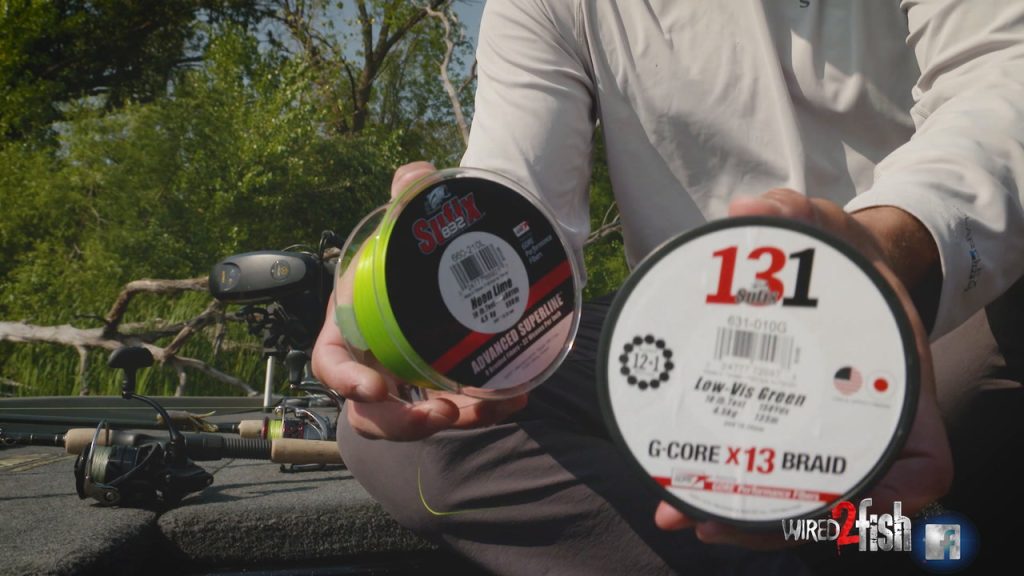
Have you ever wondered if the color of your fishing line really makes a difference? You might think it’s just about looks, but the truth is, the color can affect your success on the water more than you realize.
Choosing the right line color could mean the difference between a day full of bites or empty hooks. You’ll discover why color matters, how it impacts fish behavior, and which colors work best in different fishing conditions. Keep reading to learn how a simple change could improve your catch rate and make your fishing trips more rewarding.

Credit: www.youtube.com
Impact Of Line Color On Visibility
The color of fishing line affects how well fish see it. It also changes how easy it is for anglers to see their line. Picking the right color helps improve fishing success.
Visibility depends on water conditions and light. Different colors work better in different environments. Understanding line color can help you choose the best one.
Line Visibility To Fish
Fish see colors differently than humans. Some colors blend with the water and plants. This makes the line less visible to fish and reduces chances of spooking them.
Clear or light blue lines often work well in clear water. Green or brown lines are better in weedy or murky water. Bright colors can scare fish away in some cases.
Line Visibility To Angler
Anglers need to see their line clearly to detect bites and control the bait. Bright or fluorescent colors are easier to see above water. This helps with casting and setting the hook.
Some anglers use lines that change color at intervals. This helps judge distance and line movement. Visibility to the angler can improve fishing accuracy and reaction time.
- Bright colors show well in daylight
- Fluorescent lines help in low light
- Clear lines are hard to see above water
Water Clarity And Color Choice
Water clarity changes how line color looks underwater. Clear water lets light pass through easily. Dark or murky water blocks light and changes line visibility.
Choosing line color depends on water color and clarity. Use colors that blend with water to hide the line from fish. Use bright colors if you want to see your line better.
- Clear water: use light blue or clear lines
- Green water: use green or moss-colored lines
- Brown or muddy water: use dark brown or camo lines
- Low light or night: use fluorescent or bright lines

Credit: www.youtube.com
Common Fishing Line Colors
Fishing line color can affect how well fish see your line. Choosing the right color helps you catch more fish. Some colors blend with water better than others.
Below are common fishing line colors and their uses. Each color works best in different water and light conditions.
Clear And Transparent Lines
Clear lines are popular because they are hard for fish to see. They work well in clear water and bright light. These lines do not stand out much, making them a good all-round choice.
Fluorescent And Bright Lines
Bright lines are easy for anglers to see above water. They help track line movement and bites. Some fish may notice these lines, so use them in murky water or low light.
- Neon yellow
- Fluorescent green
- Bright orange
Camouflaged And Green Lines
Green and camo lines blend well with plants and algae. They are good for fishing in weedy or grassy areas. These colors make the line less visible to fish hiding in cover.
| Color | Best Water Type | Typical Use |
| Olive Green | Freshwater | Weedy lakes and rivers |
| Camouflage | Clear to stained | Heavy cover fishing |
| Dark Green | Stained water | General freshwater |
Blue And Other Specialty Colors
Blue lines are good in deep or saltwater. They blend with the water color at depth. Other specialty colors include red and pink, which anglers use for specific fish or conditions.
Specialty colors may include:
- Blue – deep water fishing
- Red – low visibility at depth
- Pink – targeting certain species
Matching Line Color To Fishing Conditions
Choosing the right fishing line color can affect your success. Different water conditions call for different line colors.
Understanding which color to use helps you catch more fish. Let’s explore how to match line color to fishing conditions.
Fishing In Clear Water
In clear water, fish can see the line easily. Using the right color helps keep your line invisible to fish.
- Use clear or blue line for better camouflage
- Green line can blend with underwater plants
- Fluorocarbon line is almost invisible
Fishing In Murky Or Stained Water
In murky water, fish rely less on sight. Bright or dark lines can be effective here.
| Water Condition | Recommended Line Color |
| Murky | Bright Yellow or Orange |
| Stained | Dark Green or Brown |
Fishing At Night Or Low Light
Low light makes it hard for fish to see the line. Bright colors can help you track your line.
For night fishing, use glow-in-the-dark lines. They help you see the line and detect bites easier.
Behavior Of Fish And Line Color
Fishing line color can affect how fish react to your bait or lure. Fish see colors differently than humans do. Choosing the right line color might help catch more fish.
Some colors blend into the water better, making the line less visible. Other colors might scare fish away. Understanding fish behavior helps anglers pick the best line color.
Fish Sensory Perception
Fish use their eyes and other senses to find food and avoid danger. Their vision works differently from humans. They see some colors clearly and others less so.
Light changes with water depth and clarity. This affects how fish see colors. For example, red colors disappear quickly in deep water, while blue and green last longer.
- Fish see blue and green best in clear water
- Red colors fade in deep or murky water
- Some fish detect movement more than color
- Line color visibility depends on water conditions
Species-specific Line Color Preferences
Different fish species react differently to line colors. Some fish are shy and avoid bright colors. Others may not notice the line color at all.
Anglers often choose line colors based on the fish they want to catch. Matching line color with water and species can improve fishing success.
- Trout often avoid bright or flashy lines
- Bass may not react to green or brown lines in vegetation
- Saltwater fish sometimes prefer clear or blue lines
- Clear lines work well in most situations
Line Color And Angler Techniques
Choosing the right fishing line color can help anglers catch more fish. The color affects how visible the line is to fish and the angler.
Anglers use different techniques depending on the line color. Some colors blend with water, while others help see the line better.
Strike Detection And Line Color
Strike detection means noticing when a fish bites. Line color can make this easier or harder.
Bright colors like yellow or green help anglers see the line move. This makes it easier to detect a strike.
- Bright lines are good in low light or murky water
- Clear lines are harder to see but less visible to fish
- Fluorescent lines glow under some lights, aiding visibility
Line Color For Different Fishing Styles
Different fishing styles need different line colors. The water type and fish behavior affect the choice.
In clear water, anglers often use clear or blue lines to stay hidden. In dark or stained water, bright lines work better.
- Fly fishing: light or clear lines blend with the water
- Freshwater spinning: green or brown lines match plants and bottom
- Saltwater fishing: blue or clear lines reduce visibility in open water
- Ice fishing: bright lines help see subtle movements through the ice
Myths And Facts About Line Color
Many anglers wonder if the color of their fishing line affects their catch. There are many ideas about how line color works underwater.
Some believe color can scare fish, while others say it helps hide the line. Let’s look at common myths and real facts from science.
Common Misconceptions
Many think bright-colored lines always scare fish away. Another myth is that clear lines are invisible to fish in all water types. Some anglers believe that color changes do not affect line strength or performance.
- Bright lines make fish wary and avoid the bait.
- Clear lines disappear completely underwater.
- Line color does not impact the line’s strength.
- Dark lines are best for deep water fishing only.
Scientific Studies And Evidence
Studies show fish see colors differently than humans. Water absorbs some colors fast, making the line less visible at depth. Scientists tested fishing lines of different colors in various waters.
| Line Color | Visibility Underwater | Best Water Type |
| Fluorescent Green | High near surface | Clear water |
| Clear/Transparent | Low visibility | All water types |
| Blue | Medium visibility | Deep water |
| Brown | Low visibility | Muddy water |
Tests found no big difference in catch rates due to line color alone. Other factors like bait, location, and fish type matter more. Line color mainly helps anglers see the line better.
Choosing The Right Line Color
Choosing the right color for your fishing line can affect your success on the water. The color may help you stay hidden or make it easier to see your line.
Understanding how color works in different fishing conditions helps you pick the best line for your needs.
Personal Preference Vs Practicality
Some anglers pick line colors based on what looks good to them. Others choose colors that blend with the water and weather. Both ideas have value.
- Personal preference can make fishing more fun.
- Practical colors match the water’s color and clarity.
- Bright colors help you see your line better.
- Clear or green lines often hide well in water.
- Consider the type of fish you want to catch.
Testing And Experimentation Tips
Try different colors to find what works best. Testing helps you learn how color affects your fishing success.
| Test Item | What to Observe | Notes |
| Line Color | Visibility in water | Does the fish notice the line? |
| Water Condition | Clear, murky, or dark | Choose color that blends or stands out |
| Fishing Time | Daylight or low light | Bright lines may work better in low light |
| Fish Reaction | How fish respond | Note if fish avoid or hit bait |
Credit: reactiontackle.com
Frequently Asked Questions
Does Fishing Line Color Affect Fish Bites?
Yes, fishing line color can influence fish bites. Certain colors blend better in water, making the line less visible to fish. Clear or green lines are popular for clear water, while darker colors work well in murky water. Choosing the right color improves your catch rate.
Which Fishing Line Color Is Best For Clear Water?
For clear water, clear or light green fishing lines work best. These colors blend naturally with the water, reducing visibility to fish. Using these colors increases the chances of fish striking your bait or lure, enhancing your overall fishing success.
Can Fishing Line Color Help In Low Light Conditions?
Bright or fluorescent fishing lines are ideal for low light conditions. They help anglers track the line while fishing, improving control and accuracy. However, these colors may be more visible to fish, so use them strategically based on water clarity and fish behavior.
Does Fishing Line Color Impact Line Strength?
Fishing line color does not affect the actual strength or durability of the line. Strength depends on the material and construction. Color is mainly for visibility and camouflage. Always choose line strength based on your fishing needs, not color.
Conclusion
Choosing the right color fishing line can affect your fishing success. Clear lines work well in bright water. Green or blue lines blend better in deep water. Bright colors help track the line above water. Think about water type and light before picking.
Small changes in color can make a big difference. Try different colors to see what suits you best. Fishing line color does matter, but skill matters more. Keep practicing and enjoy your time on the water.