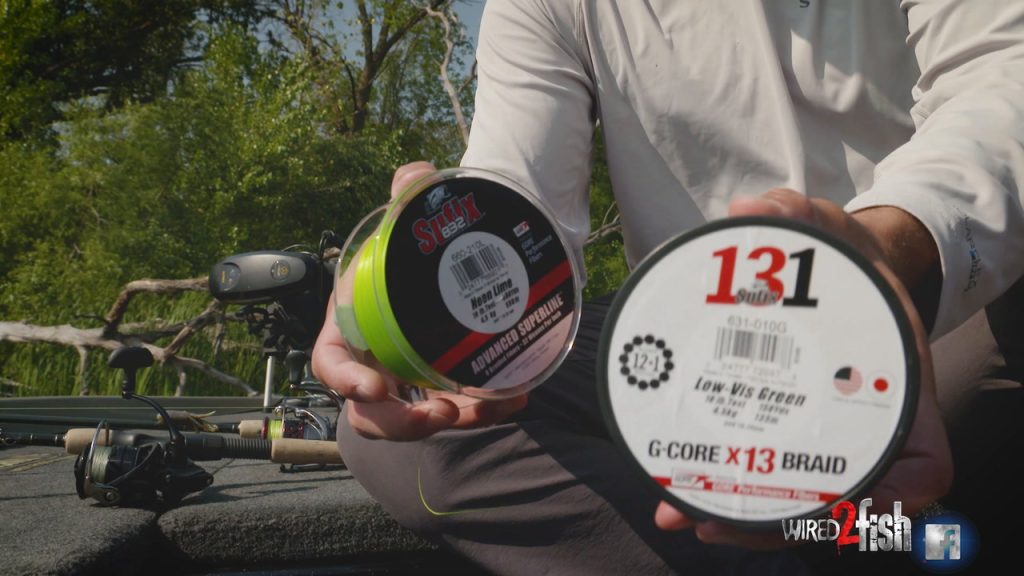
Have you ever wondered if the color of your fishing line really makes a difference? You might think it’s just a small detail, but choosing the right color can actually change your entire fishing experience.
Whether you’re trying to catch more fish or avoid scaring them away, the color of your line plays a key role. Keep reading, and you’ll discover how this simple choice could help you catch more and fish smarter every time you head out.

Credit: www.youtube.com
Impact Of Line Color On Fish Behavior
Fishing line color can change how fish see the line underwater. Some colors blend with water better than others.
Fish may react differently depending on the color of the fishing line used.
Visibility To Fish In Different Water Types
Clear water allows fish to see bright and dark colors easily. In murky water, bright colors stand out more.
Colors like green or blue blend well in clear water. Yellow or orange lines show better in muddy water.
- Clear water: green, blue, or clear lines are less visible
- Muddy water: yellow, orange, or bright lines are easier to see
- Deep water: dark colors like black or brown blend in
Effect Of Color On Fish Attraction Or Repulsion
Some fish are attracted to certain colors, while others avoid them. This depends on the species and environment.
Bright colors may scare shy fish. Neutral colors usually do not bother fish and keep them calm.
- Bright colors can attract aggressive fish
- Neutral colors help avoid spooking fish
- Fish may ignore lines that match water color
Scientific Studies On Fish Perception
Studies show fish see colors differently than humans. They see some colors better in water.
Research finds that fish detect line colors based on light and water clarity. Some colors blend in better.
- Fish see blue and green colors well in clear water
- Red and orange colors fade quickly in deep water
- Color visibility depends on fish vision and water conditions
Water Conditions And Line Color Choice
The color of your fishing line can affect your success on the water. Different water conditions call for different line colors. Choosing the right color helps you stay hidden from fish.
Water clarity and depth change how visible your line is. This guide explains line color choices for clear, murky, and deep water.
Clear Water Preferences
In clear water, fish can see your line easily. Use line colors that blend with the water to avoid spooking fish. Light green, clear, or blue lines work well.
Murky And Stained Water Strategies
In murky or stained water, visibility drops. Bright colors help you see your line better. Use high-visibility colors like yellow or orange to track your line.
- Choose bright colors for easier line tracking.
- Fish rely more on vibration, so line visibility matters less to them.
- Use darker colors if you want the line to blend in more.
Deep Water Considerations
In deep water, sunlight fades and colors change. Choose line colors that stay visible to you but less visible to fish at depth.
| Line Color | Visibility to Angler | Visibility to Fish |
| Fluorescent Yellow | High | Moderate |
| Dark Green | Low | Low |
| Clear | Low | Low |
| Blue | Moderate | Low |
Types Of Fishing Line Colors
Fishing lines come in many colors. Each color has a special use for different fishing needs.
Choosing the right color helps you fish better. It can hide the line or make it easy to see.
Fluorescent And High-visibility Lines
Fluorescent lines glow bright colors like neon green or orange. They help anglers see the line above water.
- Easy to track line movement
- Good for night fishing or low light
- Helps avoid tangles and snags
- Can scare fish in clear water
Camouflage And Natural Tones
These lines blend into the water. Colors include green, brown, and clear. They hide well from fish.
| Color | Best Water Type | Use |
| Green | Weedy or freshwater | Hide line in plants |
| Brown | Muddy water | Blend with dirt and mud |
| Clear | Clear water | Almost invisible to fish |
Multi-colored And Patterned Lines
Multi-colored lines change color every few feet. Patterned lines have stripes or dots. They help measure depth and line out.
Benefits of Multi-Colored Lines:
- Track how much line is cast
- Know the depth of the lure
- Easy to spot line in water
- Helps with precise fishing techniques

Credit: www.youtube.com
Angler Techniques And Line Color
Choosing the right fishing line color can help anglers catch more fish. It affects how fish see the line underwater.
Line color also influences how well you cast and notice bites. Different conditions need different line colors.
Line Color And Casting Accuracy
Some line colors make it easier to see the line in the air. This helps anglers control their casts better.
Bright or high-visibility colors allow you to track the line’s movement. This reduces mistakes during casting.
- Fluorescent colors stand out in low light.
- Clear or green lines blend into water but are harder to see in air.
- Choose line color based on light and background conditions.
Using Line Color To Detect Bites
Bright line colors make it easier to spot small movements or twitches. This helps you know when a fish bites.
Clear or natural colors are harder to see but can reduce fish spooking. Use bright colors if bite detection is key.
- Yellow or orange lines show even slight bites.
- Clear lines are less visible to fish but harder to watch.
- Pick a color that balances visibility and stealth.
Matching Line Color With Lures And Baits
Matching your line color with your lure helps keep the setup natural. Fish focus on the lure, not the line.
Use line colors that blend with water or lure colors. This reduces the chance of scaring fish away.
- Clear or green lines suit natural-colored lures in clear water.
- Blue or gray lines work in deep or dark water.
- Bright lines match bright lures for better visibility to anglers.
Practical Tips For Choosing Line Color
Choosing the right color for your fishing line can affect your catch. The color helps your line blend in or stand out in the water.
Understanding how color works in different conditions helps you pick the best line. This guide gives simple tips to choose line color wisely.
Considering Light And Weather Conditions
Light changes during the day affect how visible your line is to fish. Bright sunlight and cloudy days need different colors.
Weather like rain or fog also changes water color and clarity. Pick line colors that match these changes to stay less visible.
- Use clear or light blue lines on sunny days
- Choose darker lines for cloudy or low light
- Green lines work well in murky or algae-filled water
- Fluorescent lines help you see your line in fog or rain
Balancing Visibility And Stealth
Your fishing line should be hard for fish to see but easy for you to spot. This balance helps you catch more fish.
Choose line color that blends with water but stands out against the sky or shore. This helps you watch your line closely.
- Clear lines offer good stealth underwater
- Green lines blend well in green water or weeds
- Bright colors like yellow help track line on the water surface
- Use line color contrasts to spot bites faster
Personal Preferences And Experience
Some anglers prefer certain colors based on past success. Experience helps you know which color works best in your fishing spots.
Try different colors to see what fits your style and water type. Trust your gut and adjust as you learn more.
- Keep notes on line color and catch rates
- Test new colors in different seasons
- Ask other anglers about their favorite line colors
- Switch line colors if fish stop biting
Common Myths About Line Color
Many anglers believe that the color of fishing line affects their success. Some say fish can see the line easily and avoid it. Others think bright lines always scare fish away. These ideas are common but not always true.
Understanding what matters about line color helps anglers choose the right gear. Let’s look at some common myths about fishing line color and what science and experience say.
Color Hides Line From Fish Completely
Many anglers think line color makes the line invisible to fish. In reality, no color hides the line completely. Water clarity and light affect how well fish see the line.
- Clear lines work best in clear water.
- Green or blue lines blend in better in deeper water.
- Bright lines can be visible but help anglers see their line.
Bright Lines Always Scare Fish Away
Some believe bright-colored lines always frighten fish. This is not true for all fish species or conditions. Bright lines may be less visible at depth or in murky water.
| Line Color | Visibility to Fish | Best Water Type |
| Bright Yellow | Moderate | Murky or Low Light |
| Clear | Low | Clear Water |
| Green | Low to Moderate | Weedy or Deep Water |
Line Color Determines Catch Rate
Catch rate depends on many factors like bait, location, and technique. Line color has little direct effect on how many fish you catch.
Here are reasons why line color does not control catch rate:
- Fish respond more to bait and movement than line color.
- Good technique beats the color of the line every time.
- Many successful anglers use different line colors with similar results.
Credit: reactiontackle.com
Frequently Asked Questions
Does Fishing Line Color Affect Fish Bites?
Yes, line color can influence fish bites. Clear or low-visibility lines reduce fish detection, increasing bite chances in clear water.
Which Color Fishing Line Is Best For Clear Water?
In clear water, transparent or light green lines work best. They blend well, making them less visible to fish.
Can Fishing Line Color Improve Casting Distance?
Fishing line color does not impact casting distance. Casting depends more on line type, diameter, and angler technique.
Is Colored Fishing Line Good For Night Fishing?
Bright or glow-in-the-dark lines help anglers track line movement at night but don’t affect fish detection.
Conclusion
Choosing the right color fishing line can affect your success. It helps fish see less of the line or blend with water. Clear lines work well in clear water. Green or blue lines suit darker waters. Bright colors help you track your line better.
Match the line color to your fishing spot. Small changes make a big difference in fishing results. Try different colors to find what works best. Fishing is about patience and learning. Color matters, but skill and practice matter more.