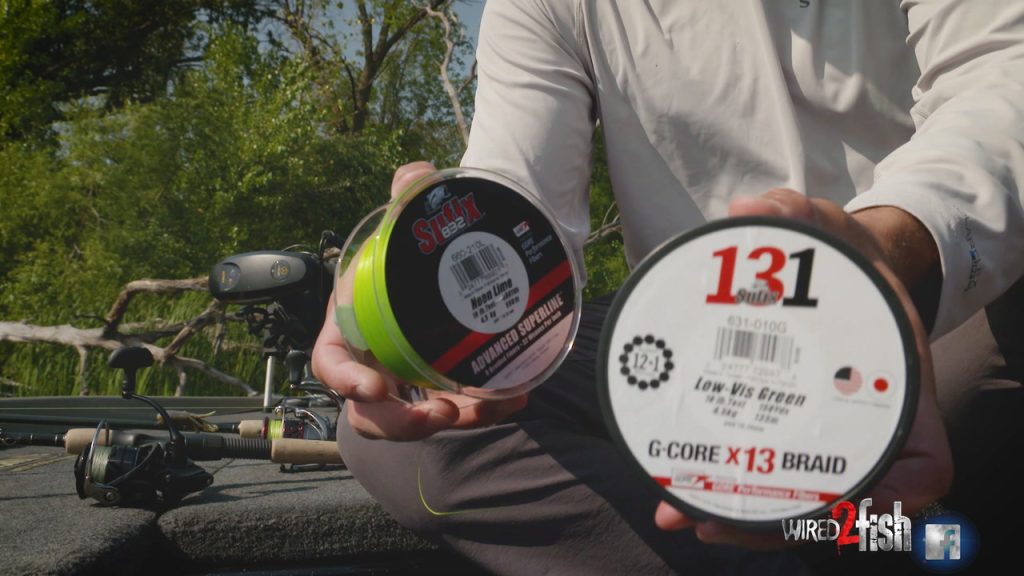
Have you ever wondered if the color of your fishing line really makes a difference? You might think it’s just a small detail, but it can actually affect how successful you are on the water.
Choosing the right color could mean the difference between a day full of bites and a day with nothing to show for your effort. You’ll discover why color matters, how fish see your line, and simple tips to pick the best option for your next fishing trip.
Keep reading—your next big catch might depend on it!

Credit: fishingbooker.com
Impact Of Line Color On Fish Behavior
The color of fishing line can affect how fish react. Fish see colors differently than humans. This changes how they notice fishing lines in water.
Choosing the right line color can help anglers catch more fish. It can make the line less visible or more attractive to fish.
How Fish See Colors
Fish see colors based on the light in their environment. Many fish see blue and green colors best. Some fish cannot see red well because red light fades quickly underwater.
- Fish see blue and green clearly in deep water.
- Red colors look dark or black to many fish.
- Clear and light colors may be harder for fish to detect.
- Water depth and clarity affect color visibility for fish.
Line Visibility In Different Waters
| Water Type | Best Line Color | Reason |
| Clear Water | Clear or Blue | Blends with water, less visible |
| Stained Water | Green or Brown | Matches murky surroundings |
| Deep Water | Blue or Fluorescent | Blue penetrates well, fluorescent stands out |
| Shallow Water | Clear or Light Colors | Less visible near surface |
Effect On Fish Attraction And Spooking
Some fishing line colors can attract fish. Others may scare them away. Fish may avoid bright or unnatural colors. Clear lines often cause less spooking.
Tips to reduce spooking and increase attraction:
- Use line colors that blend with water color.
- Avoid bright colors in clear water.
- Try fluorescent lines in low light or deep water.
- Match line color to local fishing conditions.
Common Fishing Line Colors And Uses
Fishing lines come in many colors. The color you choose can affect your fishing success. Different colors are used for different water conditions and fish types.
Understanding the uses of each color helps anglers make better choices. Let’s explore the common fishing line colors and their uses.
Clear And Fluorocarbon Lines
Clear and fluorocarbon lines are almost invisible underwater. They are great for clear water fishing. Fish find it hard to see these lines, making them useful for catching cautious fish.
These lines are popular for freshwater and saltwater fishing. They are also strong and resistant to abrasion, which adds to their appeal.
Green And Camouflage Lines
Green lines blend well with water that has a lot of vegetation. They are useful in lakes and rivers where plants are abundant. The color helps hide the line from fish.
Camouflage lines change colors to match the water. This makes them versatile for different fishing environments. They are a good choice for anglers who fish in diverse locations.
Bright And High-visibility Lines
Bright lines like yellow and orange are easy for anglers to see. They are ideal for fishing in low-light conditions. They help in spotting bites and managing line control.
These lines are not the best for clear water. Fish can easily see them, so they work better in murky waters. Anglers often use them for trolling or deep-sea fishing.
- Clear lines: Invisible, good for clear water
- Green lines: Blend with vegetation
- Bright lines: High visibility for anglers
Choosing Line Color By Water Conditions
The color of your fishing line matters because it affects how fish see it in the water. Choosing the right color can help you catch more fish. Water clarity changes which color works best.
Different water conditions need different line colors. Clear water needs subtle colors, while murky water needs brighter or darker lines. Night fishing calls for special colors too.
Clear Water Strategies
In clear water, fish can see your line easily. Choose colors that blend in with the water. Light green, clear, or blue lines work well here.
Clear lines are less visible, so fish are less scared. Use thin lines if possible. They are harder to see and give a natural look.
- Use clear or light blue lines
- Light green lines match water color
- Thin lines reduce visibility
- Avoid bright colors that stand out
Murky And Stained Water Approaches
In murky water, fish rely more on their sense of movement than sight. Use bright or dark colors that stand out in the water. This helps you see your line and fish can detect it better.
Colors like chartreuse, orange, or yellow work well. Dark colors like brown or black also help in stained water. These colors are easier to see for both you and the fish.
- Use bright colors like chartreuse or yellow
- Dark colors such as brown or black work well
- Bright colors help you track your line
- Choose colors that contrast with water
Night And Low-light Fishing Tips
At night or in low light, fish see less color. Use light or glow-in-the-dark lines to help you see your line. Fluorescent colors work best.
Glow lines make it easier to track your cast and bites. Avoid dark colors that blend into the dark water. Bright lines improve fishing in these conditions.
- Use glow-in-the-dark or fluorescent lines
- Light colors help you see your line
- Avoid dark lines that disappear in low light
- Bright lines improve bite detection
Credit: reactiontackle.com
Line Color And Fishing Techniques
The color of fishing line can affect how fish see it in the water. Different colors work better with some fishing styles.
Choosing the right line color helps you catch more fish by blending with the water or standing out when needed.
Surface Fishing Considerations
For surface fishing, line visibility is important. Clear or light blue lines blend well with water surface.
Bright or fluorescent lines can help anglers see the line better in sunlight or glare.
- Clear lines reduce fish spooking near water surface
- Light colors match sky reflection on water
- Bright colors help track line movement
Deep Water And Bottom Fishing
In deep water, line color matters less because light fades quickly. Darker lines like green or brown blend with underwater plants.
Clear or low-visibility lines work well to avoid scaring fish near the bottom.
- Use green or brown lines to hide in weeds
- Clear lines avoid spooking bottom fish
- Darker colors help in murky water
Trolling And Casting Methods
Trolling often uses colored lines that match the water color to stay hidden from fish. Blue or green lines work well.
For casting, bright lines can help anglers watch the line and detect bites fast.
- Blue or green lines for trolling in clear water
- Bright colors for easy line visibility when casting
- Choose line color by water clarity and light conditions
Balancing Visibility And Strength
Choosing the right fishing line color can affect your catch. It is important to balance how visible the line is with its strength. Anglers want the line to be strong but not scare the fish.
This guide explains how line color relates to strength. It also covers how coatings and treatments help improve performance.
Line Color Vs. Line Strength
The color of fishing line can change how strong it feels in water. Dark colors may absorb more sunlight and heat, which can weaken the line over time. Light colors reflect sunlight and may last longer.
| Line Color | Visibility in Water | Effect on Strength |
|---|---|---|
| Clear | Low | Good strength, less heat absorption |
| Green | Medium | Moderate strength, blends with plants |
| Fluorescent | High | Can weaken faster due to UV exposure |
| Brown | Medium | Absorbs heat, may lose strength faster |
Role Of Line Coatings And Treatments
Coatings and treatments help protect fishing lines. They can make lines smoother and more resistant to damage. Some coatings also reduce water absorption and UV damage.
- Protect the line from abrasion
- Reduce water and dirt buildup
- Improve casting distance
- Help maintain line strength
- Make the line less visible underwater
Expert Tips For Selecting Line Color
Choosing the right color for your fishing line can help you catch more fish. Color affects how visible the line is in water. This guide shares tips to pick the best line color for your fishing needs.
Different factors like fish type, weather, and personal style affect your choice. Understanding these can improve your fishing experience.
Matching Line Color To Target Species
Some fish see colors better than others. Use line colors that blend with the water where your target species live. Clear water needs lighter colors. Murky water calls for darker or brighter lines.
- Trout and bass prefer clear or green lines in clear water.
- Catfish react to darker lines in muddy water.
- Saltwater fish often need blue or gray lines to match ocean hues.
Adjusting Color Based On Weather
Weather changes light and water color. Pick your line color to match these shifts. Bright days suit lighter or clear lines. Cloudy or low-light days call for darker or brighter colors.
| Weather Condition | Recommended Line Color |
| Sunny, clear water | Clear, light green, or light blue |
| Cloudy or overcast | Darker green, brown, or gray |
| Muddy or stained water | Bright colors like chartreuse or orange |
| Low light (dawn/dusk) | Fluorescent or bright lines |
Testing And Personal Preferences
Try different colors to see what works best for you. Fish behavior can vary by location and season. Personal comfort with the line color matters too.
Here are tips to test line colors:
- Use short sessions with different colors.
- Note which colors catch more fish.
- Ask other anglers for their preferences.
- Keep a fishing journal to track results.

Credit: www.youtube.com
Frequently Asked Questions
Does Fishing Line Color Affect Fish Bites?
Yes, the color can influence fish bites. Some fish see certain colors better, affecting their reaction to the bait. Clear or low-visibility colors often reduce fish spooking, increasing bite chances.
Which Fishing Line Color Is Best For Clear Water?
In clear water, transparent or light blue lines work best. They blend with the environment, making the line less visible to fish and improving catch rates.
How Does Fishing Line Color Impact Underwater Visibility?
Bright-colored lines are easier for anglers to see but more visible to fish. Subtle colors reduce visibility underwater, helping avoid spooking fish while maintaining control.
Can Fishing Line Color Improve Casting Accuracy?
Yes, contrasting colors like bright yellow help anglers track the line in low light. This visibility aids in better casting accuracy and line management.
Conclusion
Choosing the right fishing line color can help you catch more fish. Fish see colors differently in water. Clear or light colors blend well in bright water. Dark colors work better in deep or murky water. Match your line color to the fishing spot for best results.
Small changes can make a big difference. Experiment with colors to find what works best. Remember, line color is one part of fishing success. Keep practicing and enjoy your time on the water.