Are you worried that your compost bin might be inviting unwanted guests like rats into your yard? You’re not alone.
Many people wonder if composting at home can lead to rodent problems. Understanding what attracts rats and how you can manage your compost bin is key to keeping your garden healthy and pest-free. You’ll discover practical tips and simple steps to protect your compost without giving rats a reason to stick around.
Keep reading to learn how to enjoy the benefits of composting without the worry.
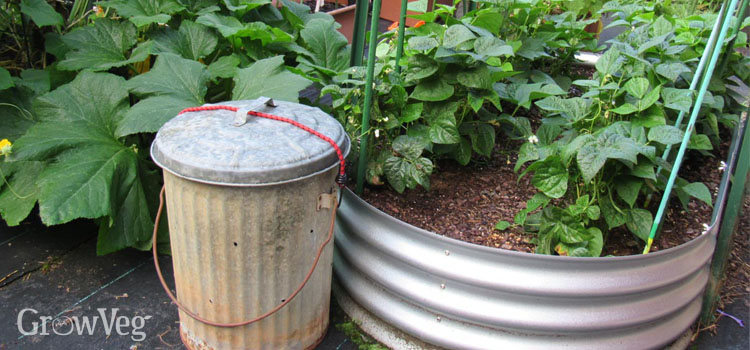
Credit: www.growveg.com
Compost Bins And Rats
Compost bins help recycle food scraps and garden waste. People use them to create nutrient-rich soil for plants.
Sometimes, rats can be attracted to compost bins. This happens because compost contains food and shelter that rats like.
Why Rats Are Drawn To Compost
Rats look for places with easy food and safe shelter. Compost bins give both in one spot.
Rats are good at finding food scraps in compost. They also hide in the warm, dark parts of the bin.
Common Compost Ingredients That Attract Rats
Some compost items are more likely to attract rats. These foods have strong smells or stay fresh for a long time.
- Meat scraps
- Dairy products
- Fruits like apples and bananas
- Bread and grains
- Cooked food leftovers
Vegetable scraps and yard waste attract fewer rats. Avoid putting meat and dairy in compost to keep rats away.
Signs Of Rats In Compost Bins
Compost bins can attract rats if not managed well. It’s important to know the signs of rat activity.
Rats in compost bins can harm the environment and spread disease. Look for these signs to identify their presence.
Tracks And Droppings
Rats leave tracks and droppings near compost bins. These are easy signs to spot.
Tracks look like small footprints in the soil or mud. Droppings resemble dark, small pellets.
- Footprints are often found near the bin entrance.
- Droppings might be inside or around the bin.
Damage To Compost Materials
Rats can damage the materials inside compost bins. They chew on organic waste and disrupt composting.
Look for signs of gnawed vegetables or fruits. Rats may also scatter compost materials around the bin.
- Chewed scraps are a clear sign of rat presence.
- Scattered compost means rats are burrowing.
Preventing Rats In Compost Bins
Compost bins can sometimes attract rats if not managed well. Rats look for food and shelter in the right places. Knowing how to prevent rats helps keep your compost safe and clean.
This guide explains how to choose the right bin, follow good composting habits, and use barriers to stop rats.
Choosing The Right Compost Bin
Pick bins that keep rats out and are easy to manage. A bin with a secure lid and solid walls helps block rats from entering.
- Use bins made of metal or heavy plastic
- Choose bins with tight-fitting lids
- Avoid open piles or bins with large gaps
- Elevate bins off the ground if possible
Proper Composting Practices
Good composting stops rats from finding food scraps. Keep the compost balanced and avoid adding items that attract pests.
- Add a mix of green and brown materials
- Turn compost often to speed breakdown
- Do not add meat, dairy, or oily foods
- Keep the compost moist but not wet
- Cover fresh scraps with brown materials
Using Barriers And Deterrents
Physical barriers and natural deterrents can keep rats away from your compost bin. These methods add extra protection.
| Barrier or Deterrent | Description |
| Wire Mesh | Wrap the base with fine wire mesh to block rats |
| Sealed Lid | Use lids that close tightly to keep rats out |
| Natural Repellents | Sprinkle peppermint oil or cayenne pepper around bins |
| Raised Platform | Place bins on stands to reduce access |
Dealing With Rat Infestations
Compost bins can attract rats if not managed properly. Rats look for food and shelter in these areas. Knowing how to handle infestations helps keep your home safe and clean.
It is important to use safe methods to remove rats. Sometimes, you may need expert help to solve the problem fully.
Safe Removal Methods
Use these safe steps to remove rats from compost bins:
- Keep the bin covered tightly to block rat entry.
- Turn the compost often to reduce hiding spots.
- Remove food scraps that attract rats quickly.
- Set traps around the bin, checking them daily.
- Clean spills and debris near the bin regularly.
When To Call Professionals
Contact professionals if rats keep coming back or if the problem grows. Experts can assess and fix the situation safely.
| Signs of Severe Infestation | Reason to Call Professionals |
| Multiple rat sightings near bin | Needs expert control methods |
| Damage to bin or nearby structures | Prevents further property damage |
| Failed attempts with traps | Requires advanced removal techniques |
| Health concerns or allergies | Ensures safe and clean removal |
Benefits Of Rat-free Composting
Composting helps recycle kitchen and garden waste. It makes soil healthy without harmful pests. Rats can cause problems in compost bins. Keeping rats away makes composting safer and cleaner.
Rat-free composting protects your garden and home. It also supports better plant growth. Here are some benefits of composting without attracting rats.
Healthy Soil And Plants
Compost enriches soil by adding nutrients. When rats stay away, compost stays clean and safe. Healthy compost helps plants grow strong and resist disease.
- Improves soil texture and water retention
- Supplies natural nutrients for plants
- Reduces need for chemical fertilizers
- Supports beneficial microorganisms in soil
- Prevents contamination from rat droppings
Peace Of Mind In Your Garden
Keeping rats out of compost bins lowers health risks. Rats can carry diseases and cause damage. A rat-free bin keeps your garden safe for family and pets.
| Benefit | Why It Matters |
| Reduced disease risk | Prevents spread of harmful germs |
| Less damage | Protects plants and garden structures |
| Cleaner environment | Keeps compost odor and mess controlled |
| Comfort | Enjoy gardening without worry of pests |
Credit: www.theguardian.com
Credit: www.womanandhome.com
Frequently Asked Questions
Do Compost Bins Attract Rats To My Garden?
Compost bins can attract rats if not managed properly. Avoid adding meat or oily food scraps. Use sealed bins and turn compost regularly to reduce odors that lure rats.
How To Prevent Rats In Compost Bins Effectively?
Keep your compost bin sealed and avoid food scraps like meat or dairy. Regularly turn the compost and maintain dryness. Using wire mesh at the base can also prevent rats from burrowing inside.
Are Certain Compost Bins Better At Deterring Rats?
Yes, sealed or tumbling compost bins are best at deterring rats. These bins limit access to food scraps and reduce odors, making them less attractive to pests compared to open or homemade bins.
What Compost Materials Attract Rats The Most?
Rats are attracted to meat, dairy, oily foods, and sugary scraps. Avoid adding these to your compost. Stick to vegetable peels, coffee grounds, and yard waste to keep rats away.
Conclusion
Compost bins can attract rats if not managed well. Keep food scraps covered and avoid adding meat or dairy. Use bins with tight lids and small holes. Regularly turn the compost to speed breakdown and reduce smells. Clean spills around the bin to stop rats from coming.
With simple care, you can enjoy composting without pests. Composting helps gardens grow and reduces waste. Stay aware and keep your compost bin neat. Rats will stay away when you follow these tips.