
Are you using compounded tirzepatide or considering it for your treatment? One important question you might have is whether this medication needs to be refrigerated.
Proper storage can affect how well your medication works and your overall health. You’ll discover the best way to store compounded tirzepatide to keep it safe and effective. Keep reading to learn what you must know to protect your investment and your wellbeing.
What Is Tirzepatide?
Tirzepatide is a medication used to treat type 2 diabetes. It helps control blood sugar levels. This drug works by mimicking natural hormones in the body. These hormones help regulate insulin and appetite.
Tirzepatide belongs to a class called dual glucose-dependent insulinotropic polypeptide (GIP) and glucagon-like peptide-1 (GLP-1) receptor agonists. It targets two hormones at once. This dual action makes it effective for managing diabetes and weight.
How Tirzepatide Works
Tirzepatide activates receptors for GIP and GLP-1 hormones. These hormones increase insulin release after meals. They also reduce the amount of glucose made by the liver. This lowers blood sugar levels effectively.
The drug also slows down stomach emptying. This helps reduce hunger and control food intake. Patients often experience weight loss during treatment.
Who Can Use Tirzepatide?
Tirzepatide is prescribed to adults with type 2 diabetes. It is used when diet and exercise alone are not enough. Doctors may combine it with other diabetes medicines.
It is not for people with type 1 diabetes or diabetic ketoacidosis. Patients should talk to their healthcare provider before starting tirzepatide.
Common Forms Of Tirzepatide
- Injection pens for subcutaneous use
- Different dose strengths for personalized treatment
- Once-weekly administration for convenience
Proper storage of tirzepatide is essential to keep it effective. This includes knowing if it needs refrigeration or not.
Role Of Compounded Medications
Compounded medications play a vital role in personalized healthcare. These medicines are specially prepared to meet unique patient needs. They offer alternatives when standard drugs are not suitable or available. Compounding allows adjustments in strength, form, and ingredients. This flexibility helps improve treatment effectiveness and patient comfort.
For compounded tirzepatide, understanding storage rules is crucial. Proper storage maintains the medicine’s quality and effectiveness. It also ensures patient safety throughout the treatment. This section explains the role of compounded medications in managing tirzepatide storage requirements.
What Are Compounded Medications?
Compounded medications are custom-made by pharmacists. They mix different ingredients to create a specific formula. This process addresses individual health needs. Compounding can change drug strength, form, or remove allergens. It helps patients who cannot use standard medicines.
Why Compounding Matters For Tirzepatide
Tirzepatide is a newer medication for diabetes. Not all patients can use the standard form. Compounding allows for tailored doses and forms. This helps patients use tirzepatide safely. It also helps in cases of drug shortages or allergies.
Storage Considerations For Compounded Drugs
Storage is key for compounded medication stability. Many require refrigeration to stay effective. Improper storage can reduce potency or cause harm. Pharmacists provide specific instructions for each compound. Following these guidelines helps keep the medication safe.
How Compounding Affects Refrigeration Needs
Compounding can change a drug’s storage needs. Ingredients or preparation methods may affect stability. Some compounded tirzepatide formulations may need refrigeration. Others might be stable at room temperature. Always check storage advice from the compounding pharmacy.
Storage Guidelines For Tirzepatide
Proper storage of compounded tirzepatide ensures its effectiveness. Incorrect storage can impact its potency. Understanding the guidelines helps maintain the medication’s quality. This section highlights crucial storage practices.
Refrigeration Requirements
Compounded tirzepatide requires refrigeration. Store it between 36°F and 46°F. This range keeps the medication stable. Refrigeration prevents degradation over time.
Temperature Ranges To Avoid
Avoid exposure to temperatures above 86°F. High temperatures can reduce tirzepatide’s effectiveness. Do not freeze tirzepatide. Freezing can damage the medication’s composition.
Effects Of Improper Storage
Proper storage is crucial for compounded tirzepatide. Poor storage can change how well the medicine works. It can also cause risks to your health. Understanding these effects helps keep treatment safe and effective.
Potency Loss
Tirzepatide loses strength if not stored correctly. Heat, light, or moisture can break down the drug. This makes it less effective in controlling blood sugar. Using weaker medicine may lead to poor health results. Always keep tirzepatide cold to keep its power.
Safety Concerns
Improper storage can cause safety problems. The medicine may develop harmful particles or bacteria. This can cause infections or allergic reactions. Using spoiled tirzepatide can harm your body. Proper refrigeration prevents these risks and keeps the drug safe.
How To Store Compounded Tirzepatide Safely
Proper storage of compounded Tirzepatide is crucial to maintain its effectiveness and safety. Understanding how to handle this medication both at home and on the go ensures you get the full benefits without risking spoilage. Let’s look at practical ways to store Tirzepatide safely.
Best Practices At Home
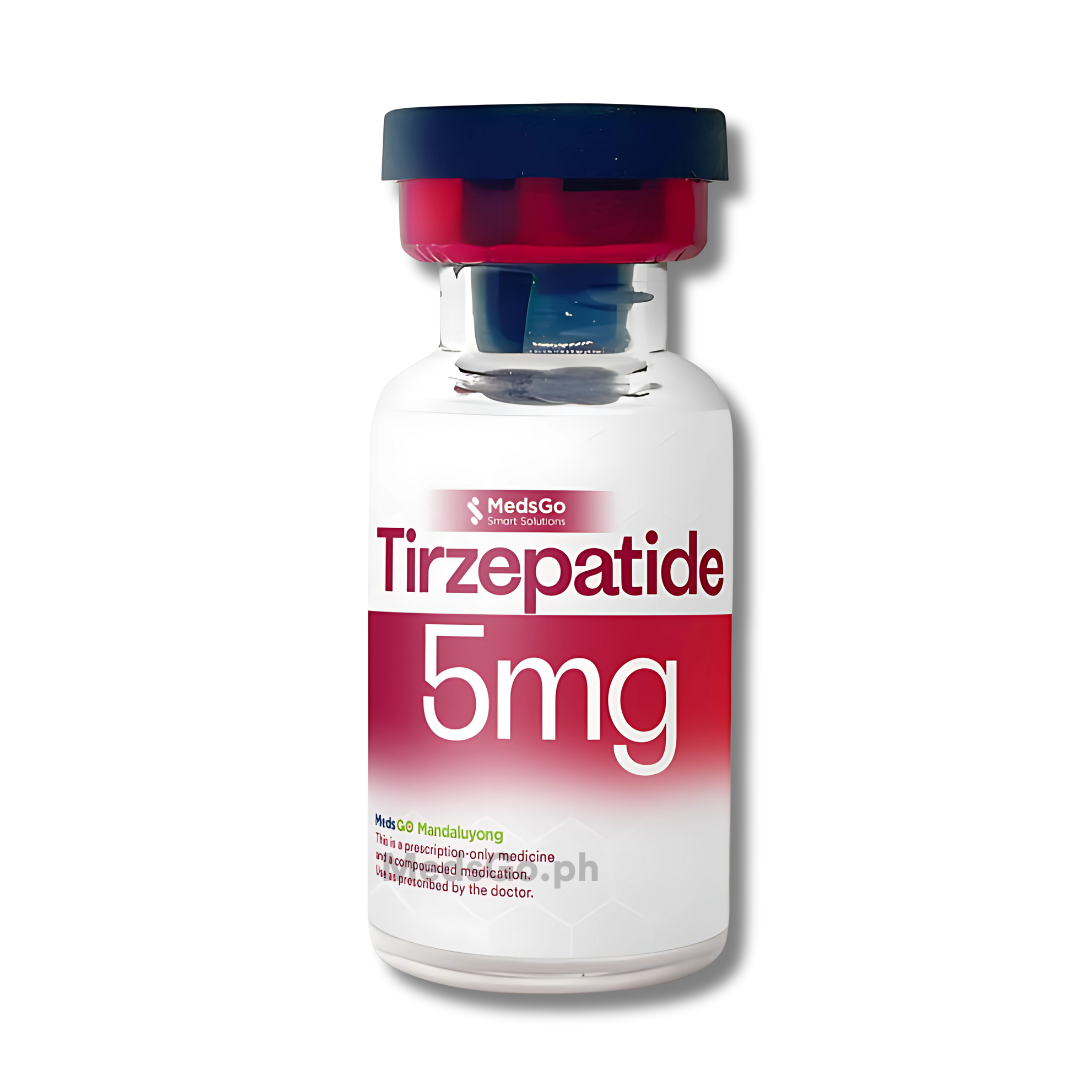
Keep your compounded Tirzepatide in the refrigerator between 2°C and 8°C (36°F to 46°F). Avoid freezing it, as freezing can damage the medication’s structure and reduce its potency.
Store the vial or pen in its original packaging to protect it from light and moisture. This extra layer shields the medication from environmental factors that could degrade it.
Place the medication in a spot where the temperature is stable, avoiding fridge doors or areas near the freezer compartment. Frequent temperature changes can harm the drug’s stability.
Travel And Transport Tips
When traveling, use an insulated cooler bag with ice packs to keep Tirzepatide cool. This helps maintain the required temperature without direct contact with ice, which could freeze the medication.
Plan your travel so the medication spends minimal time outside refrigeration. If you need to carry it with you, monitor the time carefully—most compounded Tirzepatide can safely be kept at room temperature (below 25°C or 77°F) for up to 28 days.
Have a thermometer in your travel bag to check the temperature regularly. This simple step prevents accidental spoilage during long trips.

Credit: www.goodrx.com
Signs Tirzepatide Has Gone Bad
Knowing the signs that tirzepatide has gone bad is crucial for your safety and treatment effectiveness. Using medication past its prime can reduce its benefits or even cause harm. Let’s look at how to spot if your tirzepatide is no longer safe to use.
Visual Changes In The Medication
Check the appearance of your tirzepatide carefully. If you notice cloudiness, discoloration, or particles floating in the solution, it’s a clear warning sign. Medication that should be clear but looks different means it might be spoiled.
Unusual Smell Or Odor
If your tirzepatide has developed a strange or foul smell, it’s best to avoid using it. Medications rarely have a strong odor, so any change can indicate degradation. Trust your senses—they are often the first to alert you to a problem.
Changes In Texture Or Consistency
Tirzepatide should have a smooth texture when injected. If it feels gritty or thickened, it could mean the medication has broken down. Using a product with altered consistency can affect how well it works and your comfort during injection.
Expired Date On The Label
Always check the expiration date before using tirzepatide. Even if the medication looks fine, using it past its expiry can be risky. The active ingredients may lose potency, making your treatment less effective.
Storage Issues Affecting Quality
Have you ever forgotten to refrigerate your tirzepatide? Temperature changes can cause it to spoil faster. If you suspect the medication was left out of the fridge for too long, inspect it closely before use.
What do you do if you spot any of these signs? It’s best to discard the medication and consult your healthcare provider for a replacement. Never take chances with your health by using compromised medication.
Consulting Healthcare Providers
Talking to your healthcare provider is key when managing medications like compounded tirzepatide. They know your health history and can give you advice tailored just for you. This is especially important for storage questions, such as whether this medication needs refrigeration.
Healthcare providers can clarify how temperature affects the medication’s effectiveness. If tirzepatide isn’t stored correctly, it might lose its strength or cause side effects. Your provider can also guide you on how to handle the medication during travel or daily use.
Understanding Storage Instructions
Your doctor or pharmacist can explain the specific storage needs of compounded tirzepatide. They might tell you to keep it in the fridge between certain temperatures or suggest alternatives if refrigeration isn’t possible. This guidance helps you keep the medication safe and effective.
Personalizing Medication Care
Everyone’s situation is different. Your healthcare provider can adjust instructions based on your lifestyle, access to refrigeration, and other medications you take. This personalized advice ensures you get the best results without unnecessary hassle.
Asking The Right Questions
- How long can tirzepatide be kept outside the refrigerator?
- What should I do if the medication accidentally warms up?
- Are there signs the medication has gone bad?
- Can I travel with this medication, and how should it be stored on the go?
These questions help you avoid mistakes that could impact your treatment. Don’t hesitate to reach out to your healthcare provider whenever you’re unsure.

Credit: www.reddit.com
Credit: medsgo.ph
Frequently Asked Questions
Does Compounded Tirzepatide Require Refrigeration?
Yes, compounded tirzepatide must be refrigerated between 2°C and 8°C. Proper refrigeration preserves its effectiveness and prevents degradation. Avoid freezing or exposing it to heat. Always follow storage guidelines provided by your pharmacist or healthcare provider for best results.
Can Tirzepatide Be Kept At Room Temperature?
Tirzepatide can be kept at room temperature for up to 28 days. However, it should not exceed 30°C during this period. After 28 days, unused medication must be discarded. Always check specific instructions to maintain the drug’s potency and safety.
What Happens If Tirzepatide Is Not Refrigerated?
If tirzepatide is not refrigerated, it may lose potency and effectiveness. Exposure to heat or improper storage can degrade the medication. This can reduce treatment benefits and may cause treatment failure. Always store tirzepatide as instructed to ensure safety and efficacy.
How To Store Compounded Tirzepatide Safely?
Store compounded tirzepatide in the original container, tightly closed, inside the refrigerator. Keep it away from light and moisture. Do not freeze. If traveling, use a cooling pack to maintain proper temperature. Always check the expiration date before use.
Conclusion
Compounded Tirzepatide should be stored in the refrigerator. Keeping it cold helps maintain its strength and safety. Avoid freezing or leaving it out too long. Always check the label for storage instructions. Proper care ensures the medicine works well for you.
Store it away from light and heat. This simple step supports your treatment’s success. Remember, good storage is key for best results.