
Have you ever found yourself standing in your kitchen, wondering if the corn in the husk needs to be refrigerated? You’re not alone.
This question pops up in many households, especially during the summer months when corn is a staple at barbecues and family dinners. You might be tempted to just toss it on the counter or stash it in the fridge without a second thought.
But what if this simple choice could impact the taste, texture, and longevity of your corn? By understanding the best way to store corn, you can ensure you’re getting the most flavor and freshness out of every kernel. Stick around as we dive into the science and simple tips that will help you make the right choice every time. Your taste buds—and possibly even your wallet—will thank you.
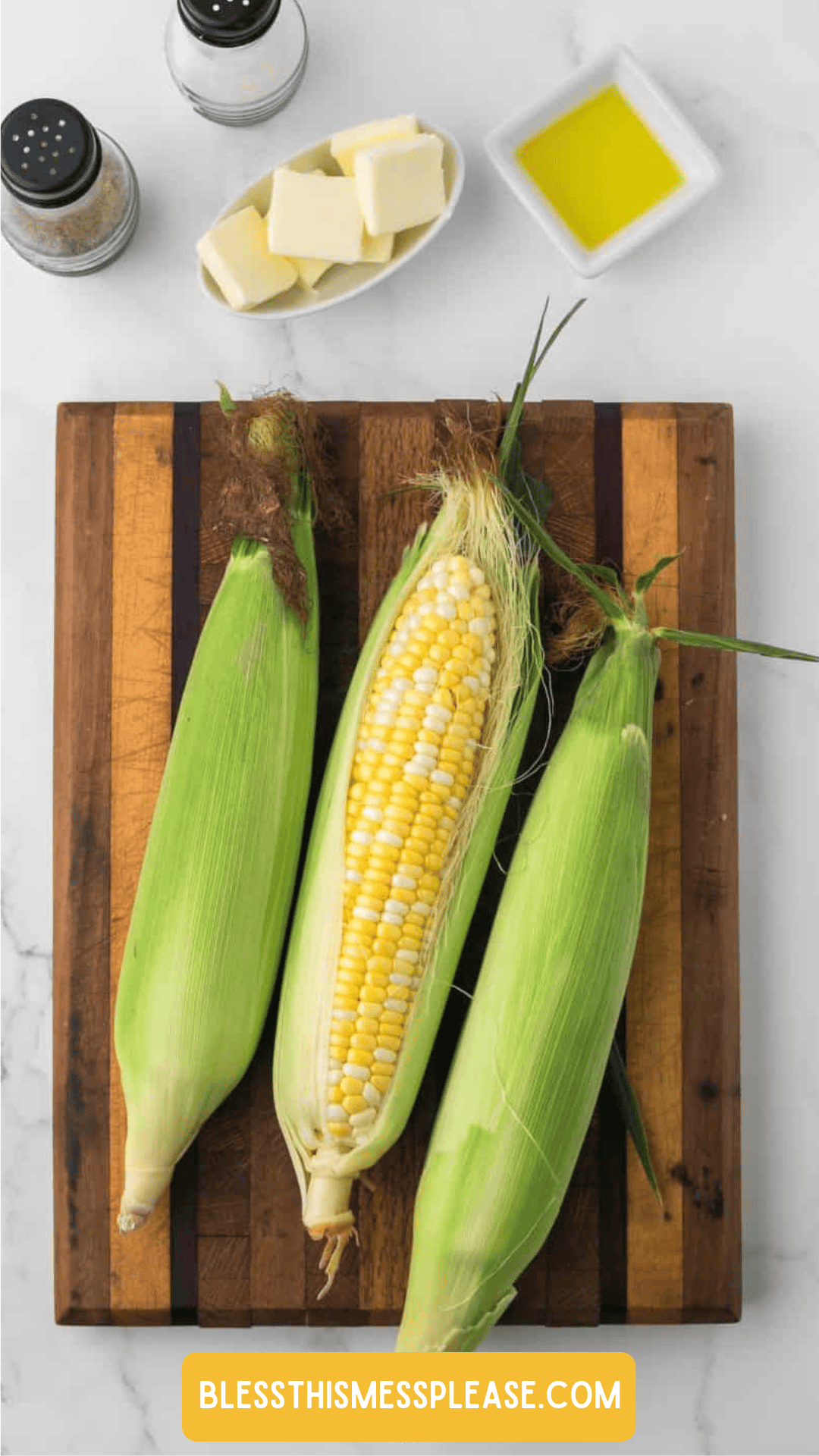
Credit: www.blessthismessplease.com
Freshness Of Corn In The Husk
Keeping corn fresh is key to enjoying its sweet, juicy flavor. Corn in the husk has a natural advantage because the husk acts like a protective layer. Understanding how this works can help you decide whether refrigeration is necessary and how to store your corn for the best taste.
How Husk Protects Corn
The husk serves as a natural shield for the kernels inside. It blocks out dirt, insects, and helps retain moisture, which keeps the corn from drying out too quickly. This protective layer also slows down the loss of natural sugars that make corn taste fresh and sweet.
Think about the last time you bought corn with the husk still on. Did you notice how the kernels stayed plump and juicy longer compared to husked corn? That’s the husk doing its job.
Signs Of Fresh Corn
Knowing what fresh corn looks like can save you from disappointing bites later. Look for bright green, tightly wrapped husks that feel slightly damp. Avoid husks that are dry, yellowing, or have dark spots—these are signs the corn is past its prime.
When you peel back a little of the husk, the silk should be moist and golden, not dry or brown. The kernels beneath should be plump and firm, not shriveled or dull. These simple checks help you pick corn that’s still bursting with flavor.
Storage Options For Corn
Knowing how to store corn properly can make a big difference in taste and freshness. You might wonder if corn in the husk needs refrigeration or if it can sit on your kitchen counter. Let’s look at the best storage options to keep your corn delicious for as long as possible.
Room Temperature Storage
Corn in the husk can be stored at room temperature if you plan to use it within a day or two. Keep it in a cool, dry place away from direct sunlight to prevent it from drying out quickly.
However, be aware that corn starts losing its sweetness soon after picking. If you leave it out too long, the sugars convert to starch, making your corn less flavorful. Have you ever noticed how corn tastes different from day to day?
Refrigeration Benefits
Refrigerating corn in the husk slows down the loss of moisture and sweetness. Wrap the corn loosely in a plastic bag or keep it in the crisper drawer to maintain humidity.
Cold storage can keep corn fresh for up to a week, giving you more flexibility with meal planning. I once stored corn this way and was surprised by how much fresher it stayed compared to leaving it on the counter.
When To Freeze Corn
Freezing corn is a smart choice if you want to keep it for months. It’s best to blanch the corn first—boil it briefly and then cool it quickly—to preserve flavor and texture.
After blanching, cut the kernels off the cob and store them in airtight bags or containers. Freezing is perfect for when you have more corn than you can eat right away. Have you tried freezing corn before? It might be easier than you think.
Impact Of Refrigeration On Flavor
Refrigeration affects the flavor of corn in the husk in several ways. Fresh corn contains natural sugars that give it a sweet taste. These sugars begin to turn into starch soon after harvesting. Keeping corn cold slows down this process, helping to keep its sweetness longer. Yet, refrigeration can also change the texture and aroma of corn.
Storing corn at low temperatures helps maintain its fresh taste. But too much cold can sometimes dull the flavor. The husk acts as a natural barrier, protecting the kernels. This barrier helps slow moisture loss and flavor changes during refrigeration. Proper storage balances keeping corn cold and preserving its natural taste.
Flavor Changes Over Time
After picking, corn’s sugars start converting into starch quickly. This makes corn taste less sweet and more bland. The flavor fades more rapidly at room temperature. Corn stored in the refrigerator stays sweet longer. Still, after several days, even refrigerated corn loses some flavor. The husk can slow down this loss but cannot stop it completely. Over time, the texture may also become tougher or drier.
Best Practices To Preserve Sweetness
- Keep corn in the husk to protect kernels.
- Store corn in a plastic bag to retain moisture.
- Place corn in the refrigerator as soon as possible.
- Avoid washing corn before storage to prevent mold.
- Use corn within 2-3 days for the best flavor.
Tips For Storing Corn In The Husk
Storing corn in the husk properly can make a big difference in keeping it fresh and sweet. Many people wonder how to handle corn right after buying it to preserve its flavor and texture. Knowing the right way to store corn can save you from the disappointment of bland or dried-out kernels.
Proper Wrapping Techniques
Keep the husk on the corn to protect the kernels naturally. If you plan to store it for a few days, wrap the corn loosely in a damp paper towel. This helps maintain moisture without making it soggy.
Then place the wrapped corn in a perforated plastic bag or a mesh bag. This allows some air circulation, preventing mold while keeping the corn hydrated. Avoid sealing the bag tightly, as trapped moisture can cause the corn to spoil faster.
Ideal Storage Duration
Corn in the husk stays freshest when used quickly, ideally within 1 to 2 days after purchase. After that, the sugar in the kernels starts turning into starch, which dulls the sweetness.
If you can’t use it immediately, refrigeration is your best bet to slow down this process. Store the wrapped corn in the vegetable crisper drawer to keep it cool and moist. However, keep in mind that even in the fridge, corn’s flavor diminishes after about 3 to 5 days.
Have you ever left corn out too long and noticed it lost its vibrant taste? Proper wrapping and timely refrigeration can prevent that from happening to your fresh corn.
Common Mistakes To Avoid
Understanding how to store corn properly helps keep it fresh longer. Many make mistakes that reduce its taste and texture. Avoid these common errors to enjoy sweet, crunchy corn every time. Proper storage preserves nutrients and prevents spoilage.
Storing Without The Husk
Removing the husk before refrigeration dries out the corn kernels quickly. The husk acts as a natural cover, locking in moisture. Without it, corn loses sweetness and becomes tough. Keep the husk on when storing corn in the fridge.
Overcrowding In The Fridge
Stuffing too many ears of corn into the fridge blocks airflow around them. Poor air circulation causes uneven cooling and faster spoilage. Leave space between corn ears to keep them fresh longer. Proper spacing helps maintain consistent temperature and humidity.

Credit: www.tasteofhome.com

Credit: kitchenlaughter.com
Frequently Asked Questions
Does Corn In The Husk Spoil Faster Without Refrigeration?
Corn in the husk can spoil quickly at room temperature. Refrigeration slows down sugar loss and mold growth, keeping corn fresh longer. For best taste and texture, store husked corn in the fridge within a day or two after purchase.
How Long Can Corn In The Husk Stay Unrefrigerated?
Corn in the husk can stay fresh for about 1-2 days at room temperature. Beyond that, sugars convert to starch, reducing sweetness. To maintain freshness, refrigerate corn as soon as possible after buying or harvesting.
Can Refrigeration Affect The Taste Of Corn In The Husk?
Refrigeration preserves the natural sweetness and crunch of corn in the husk. Keeping corn cold slows sugar loss and prevents spoilage. However, avoid freezing fresh corn as it can alter texture and flavor negatively.
Should Corn Be Refrigerated With Husk On Or Off?
It’s best to refrigerate corn with the husk on. The husk protects kernels from moisture loss and contamination. If husk is removed, wrap corn tightly in plastic to keep it fresh longer in the fridge.
Conclusion
Corn in the husk stays fresh longer when kept cool. Storing it in the fridge helps keep its sweetness and crunch. Leaving corn out too long can make it dry and lose flavor. Wrap the husk tightly if you want to store it outside the fridge for a short time.
Remember, fresh corn tastes best when eaten soon after picking. Simple care keeps your corn delicious and ready to enjoy.