Are you wondering if your cortisol saliva test needs to be refrigerated? You’re not alone.
Handling your test sample the right way can make a big difference in getting accurate results. If you store it incorrectly, your efforts could go to waste. You’ll learn exactly how to care for your saliva sample, why proper storage matters, and simple tips to keep your test reliable.
Keep reading to make sure your results truly reflect your health.
Cortisol Saliva Test Basics
The cortisol saliva test measures cortisol levels using a simple saliva sample. It helps check how the body handles stress and hormone balance. This test is easy to do at home or in a clinic. Understanding its basics helps prepare for accurate results.
What Is Cortisol Saliva Test
The cortisol saliva test collects saliva to measure cortisol hormone. Cortisol is a hormone made by adrenal glands. It controls stress response and energy. Saliva testing is less invasive than blood tests. It shows free cortisol, the active form in the body.
Purpose Of The Test
This test helps find problems with cortisol levels. It can detect too high or too low cortisol. Doctors use it to diagnose conditions like:
- Addison’s disease
- Cushing’s syndrome
- Adrenal fatigue
- Stress-related disorders
It also monitors treatment effectiveness and daily cortisol patterns. Testing at different times shows how cortisol changes during the day.
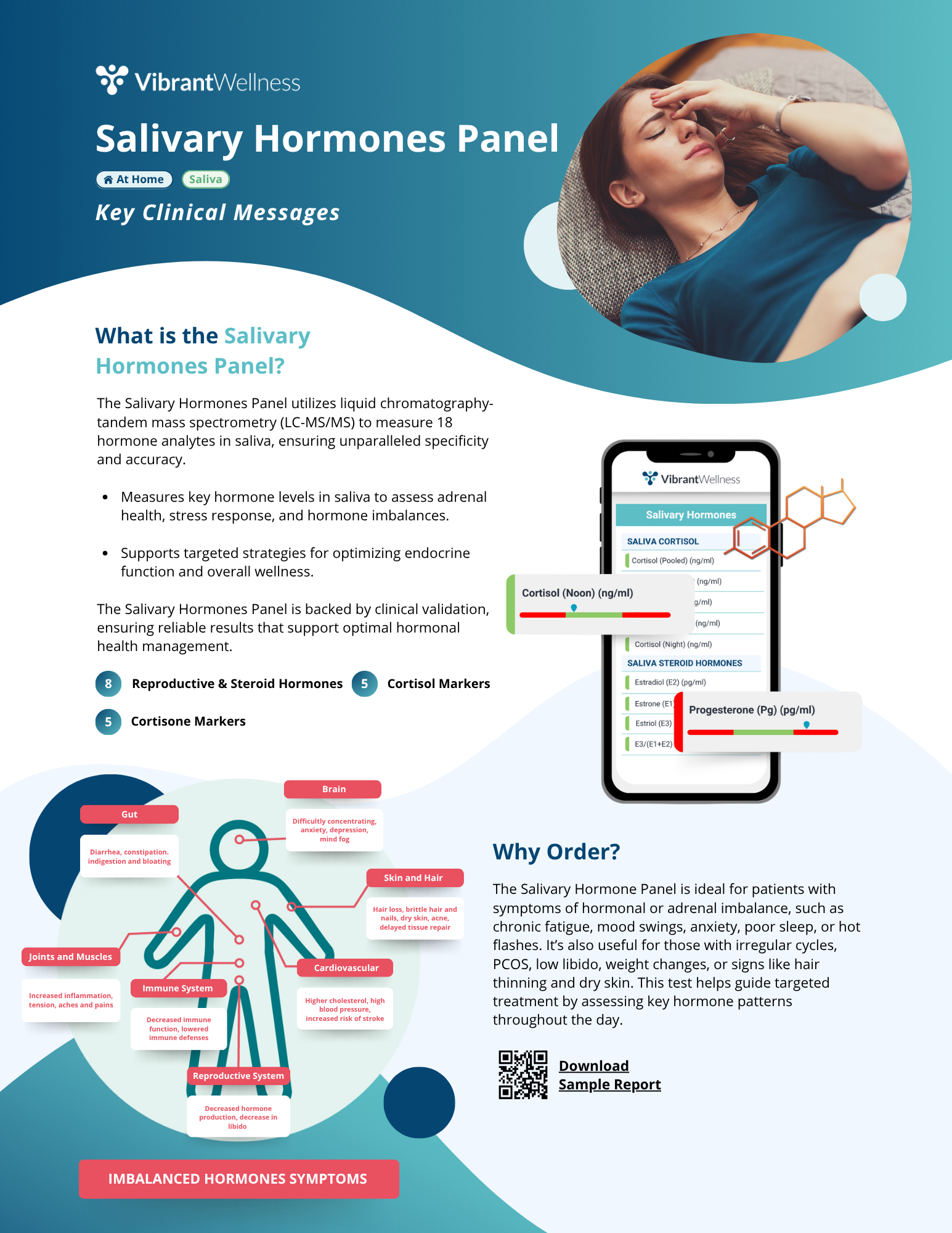
Credit: vibrant-wellness.com
Storage Requirements
Proper storage of cortisol saliva test samples is crucial for accurate results. The way samples are kept after collection affects their stability. Understanding the right storage conditions helps maintain sample quality and reliability.
Ideal Temperature For Samples
Cortisol saliva samples should be kept cool to prevent breakdown. The ideal temperature is between 2°C and 8°C, similar to a refrigerator. This slows down enzyme activity and bacterial growth that can alter cortisol levels.
Freezing is also an option for longer storage, usually at -20°C or lower. However, most labs recommend refrigeration if testing happens within a few days. Properly chilled samples retain their integrity until analysis.
Impact Of Room Temperature
Leaving saliva samples at room temperature can cause cortisol to degrade quickly. Warm conditions speed up chemical reactions, causing inaccurate test results. Saliva left out for several hours may become unreliable.
Room temperature storage is only acceptable for very short periods, usually less than 4 hours. After that, samples must be refrigerated to preserve the hormone levels. Avoid direct sunlight or heat sources near the samples.
Refrigeration Benefits
Keeping your cortisol saliva test sample refrigerated offers clear advantages. It helps maintain the accuracy of the results you rely on to understand your stress levels and overall health. Let’s look closer at why refrigeration matters.
Preserving Sample Integrity
Saliva contains enzymes and bacteria that can change the makeup of your cortisol sample over time. When left at room temperature, these factors can alter the chemical balance. Refrigeration slows down these processes, keeping your sample closer to its original state.
Think about a time you forgot to refrigerate leftovers and noticed a different taste or smell the next day. Your saliva sample can be similarly affected, which could lead to misleading test results. You want the lab to analyze what your body truly produced, not what time or heat created.
Preventing Degradation
Cortisol molecules are sensitive and can break down if not stored properly. Heat and light speed up this degradation. Placing your sample in the fridge shields it from these damaging elements.
This is why many testing instructions emphasize refrigeration immediately after collection. Without it, your cortisol levels might appear falsely low, leading to confusion about your health status. Have you ever wondered how a small change in storage can impact the reliability of your medical tests?

Credit: nesa.world
Handling And Transport
Handling and transporting cortisol saliva test samples correctly is crucial for accurate results. Improper care can affect the sample’s quality and lead to wrong readings. Understanding the right steps helps maintain sample integrity from collection to laboratory delivery.
Best Practices For Collection
- Collect saliva using a clean, dry container provided by the lab.
- Avoid eating, drinking, or brushing teeth 30 minutes before collection.
- Wash hands thoroughly before handling the collection device.
- Follow the exact time schedule recommended for sample collection.
- Keep the sample sealed tightly to prevent contamination.
Transporting Samples Safely
Transport samples promptly to maintain their stability. Most cortisol saliva tests do not require immediate refrigeration if delivered within a few hours.
Use a cool, dry place during transport. Avoid exposing samples to direct sunlight or heat sources.
For longer transport times, refrigeration or ice packs may be necessary. Check lab instructions carefully to confirm storage needs.
Label the sample clearly with your name, date, and time of collection. This prevents mix-ups during handling and testing.
Common Mistakes To Avoid
Understanding the common mistakes to avoid with cortisol saliva tests can save you from inaccurate results and wasted effort. Proper handling and storage are crucial. Let’s look at what can go wrong and how to prevent these issues.
Improper Storage Effects
Storing your saliva samples incorrectly can lead to degraded cortisol levels. If samples are left at room temperature for too long, bacteria can grow and break down the hormone. This causes unreliable test results that may misguide your health decisions.
Have you ever left a test sample out of the fridge and wondered if it still works? Even a short delay in proper storage affects accuracy. Make sure you refrigerate your sample immediately after collection to maintain its integrity.
Delays In Refrigeration
Delaying refrigeration after collecting your saliva sample is a frequent mistake. The longer the delay, the higher the chance cortisol levels change, making the test invalid.
Try to refrigerate your sample within 30 minutes of collection. If you’re not near a fridge, use a cooler with ice packs temporarily. This simple step can make a big difference in the test’s reliability.
Lab Processing Guidelines
Handling cortisol saliva samples correctly after collection is crucial for accurate test results. Labs follow strict guidelines to preserve the hormone’s stability during transport and analysis. Understanding these lab processing guidelines can help you ensure your sample is treated properly and your results are reliable.
Timing For Sample Analysis
Saliva samples for cortisol testing are sensitive to delays. Most labs recommend analyzing the sample within 24 to 48 hours after collection. Waiting too long can cause cortisol levels to degrade, which might lead to inaccurate readings.
If you can’t get the sample to the lab immediately, ask about the fastest shipping options. Have you ever wondered why some test results seem off? Timing could be the hidden factor behind those discrepancies.
Lab Storage Protocols
Once the lab receives your saliva sample, proper storage becomes key. Labs usually store these samples in a refrigerated environment at around 4°C (39°F) to maintain hormone stability. Some labs freeze samples if analysis will be delayed beyond a couple of days.
Refrigeration slows down any enzymatic activity that might break down cortisol. This step is non-negotiable for trustworthy results. Always confirm with your testing provider whether your sample needs refrigeration before shipping and upon arrival at the lab.
Tips For Accurate Results
Getting accurate results from your cortisol saliva test depends heavily on how you handle the sample and follow the testing process. Small mistakes can lead to misleading results, which might affect your health decisions. Paying close attention to detail ensures you get the most reliable insight into your cortisol levels.
Following Instructions
Each saliva test kit comes with specific instructions designed to protect the sample’s integrity. Make sure you read these instructions carefully before collecting your saliva. Avoid eating, drinking, or brushing your teeth at least 30 minutes before the test to prevent contamination.
Consider this: I once ignored the timing advice and ended up with a test that showed unusually high cortisol. After repeating the test correctly, the levels were back to normal. This shows how crucial it is to stick to the guidelines.
Keep the collection tube tightly sealed and avoid touching the inside to prevent contamination. If the instructions say the sample needs refrigeration, do not skip that step, as temperature can affect the hormone’s stability.
Consulting Healthcare Providers
Your healthcare provider can offer personalized advice based on your health status and the testing method. Don’t hesitate to ask them questions about how to prepare or store your sample properly. They can clarify whether refrigeration is necessary for your specific test.
Discuss your daily routine and medication use with your provider, as these factors can influence cortisol levels. They might suggest the best time for sample collection to match your unique cortisol rhythm.
Remember, your doctor’s guidance can save you from repeating tests and unnecessary stress. Have you talked to your healthcare provider about the best way to handle your saliva sample?

Credit: www.hollandandbarrett.com
Frequently Asked Questions
Does A Cortisol Saliva Test Require Refrigeration?
Yes, cortisol saliva samples should be refrigerated to maintain stability. Keeping them cool prevents degradation. Refrigeration ensures accurate results by preserving the sample integrity. Always follow the specific instructions provided with your test kit.
How Long Can You Store Saliva Samples?
Saliva samples for cortisol testing should be stored in the refrigerator. Typically, you can store them for up to 24 hours. Always check the specific guidelines from your test provider for optimal storage times.
What Is The Best Way To Store Cortisol Samples?
The best way to store cortisol saliva samples is in a refrigerator. This helps maintain the sample’s integrity. Ensure the sample container is sealed properly to prevent contamination. Always follow the storage instructions provided with your test kit.
Can Improper Storage Affect Cortisol Test Results?
Yes, improper storage can impact cortisol test results. If samples are not refrigerated, they may degrade. Degraded samples lead to inaccurate cortisol levels, affecting diagnosis. Always ensure proper storage to maintain sample quality.
Conclusion
Cortisol saliva tests often need refrigeration to keep samples fresh. Keeping the sample cold stops bacteria growth and protects accuracy. Store the saliva in a clean, sealed container before refrigerating. Avoid freezing unless the test instructions say so. Always follow the lab’s guidelines for best results.
Proper storage helps ensure reliable cortisol levels. Small steps make a big difference in test accuracy. Remember, careful handling leads to clearer health insights.